"Home")



 "Afro food... for thought: Angola")
 "The Green(er) Side of the Line - Israel/Palestine")
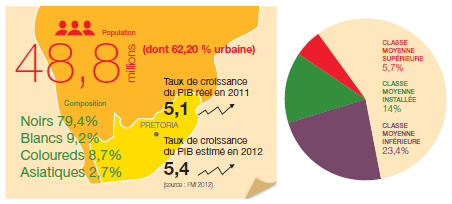
The African Development Bank estimates that 19.8% of the South African population belongs to the middle class : how can we understand the dietary habits of this population that has been studied so little beforehand?
The double approach of analysis and photography has allowed a dynamic map of the buying journey to emerge (mobility in space), as well as paths of upward social mobility (mobility in time) within the households met.
The study concentrated on the towns of Johannesburg and Durban.
Socio-anthropological analysis
The analytical work aims to describe and analyse buying, consumer and cooking habits in the middle classes in Johannesburg and Durban.
It was agreed with the project’s sponsor to target households whose monthly income lies between 6,000 rands (614 euros) and 13,000 rands (1,330 euros). These households are ranked between 6 and 8 on the South African Marketing Standards LSM (Living Standards Measure) scale.
The aim was to greatly refine knowledge of dietary habits thanks to a certain proximity with the families and their urban way of life, in order to bring to light their portrayals.
Methodology
- Organising a dozen face-to-face interviews lasting roughly an hour with people from the target-household group encountered in middle class residential areas, or while shopping in pre-defined supermarkets (Pick’n Pay, Checkers, Shoprite).
- Running focus groups of 4 to 6 people.
- Behavioural observation at lunchtime in supermarkets of all sizes, as well as eating places and primary schools.
- Analytical work on documentary sources such as literature portraying the middle classes in South Africa, commercial material from the various shops and advertising aimed at the middle classes. Work was also carried out on the press and we analysed in particular certain issues of South African women’s magazines recommended by our local contacts.
The contents of this report can be read on line.
The photography project
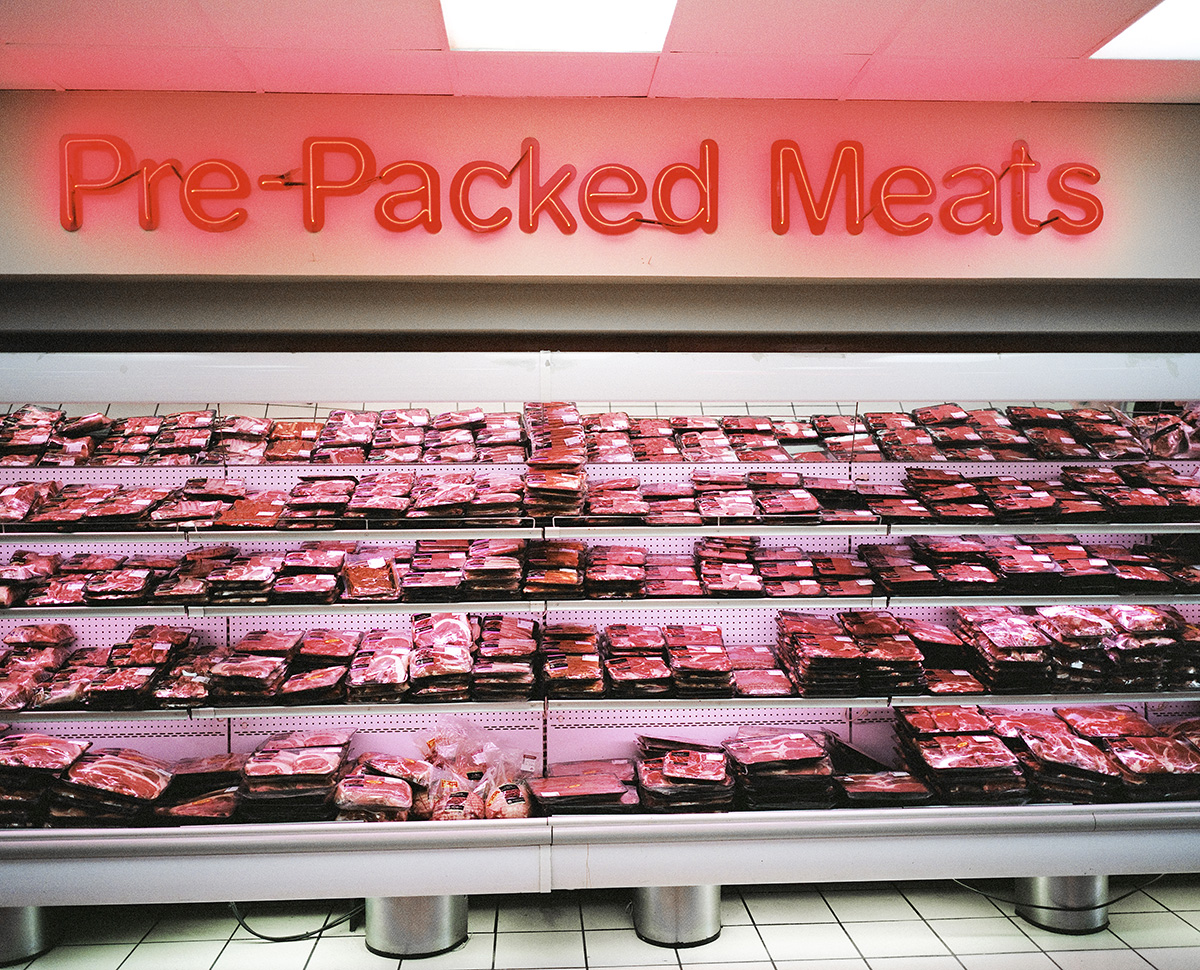
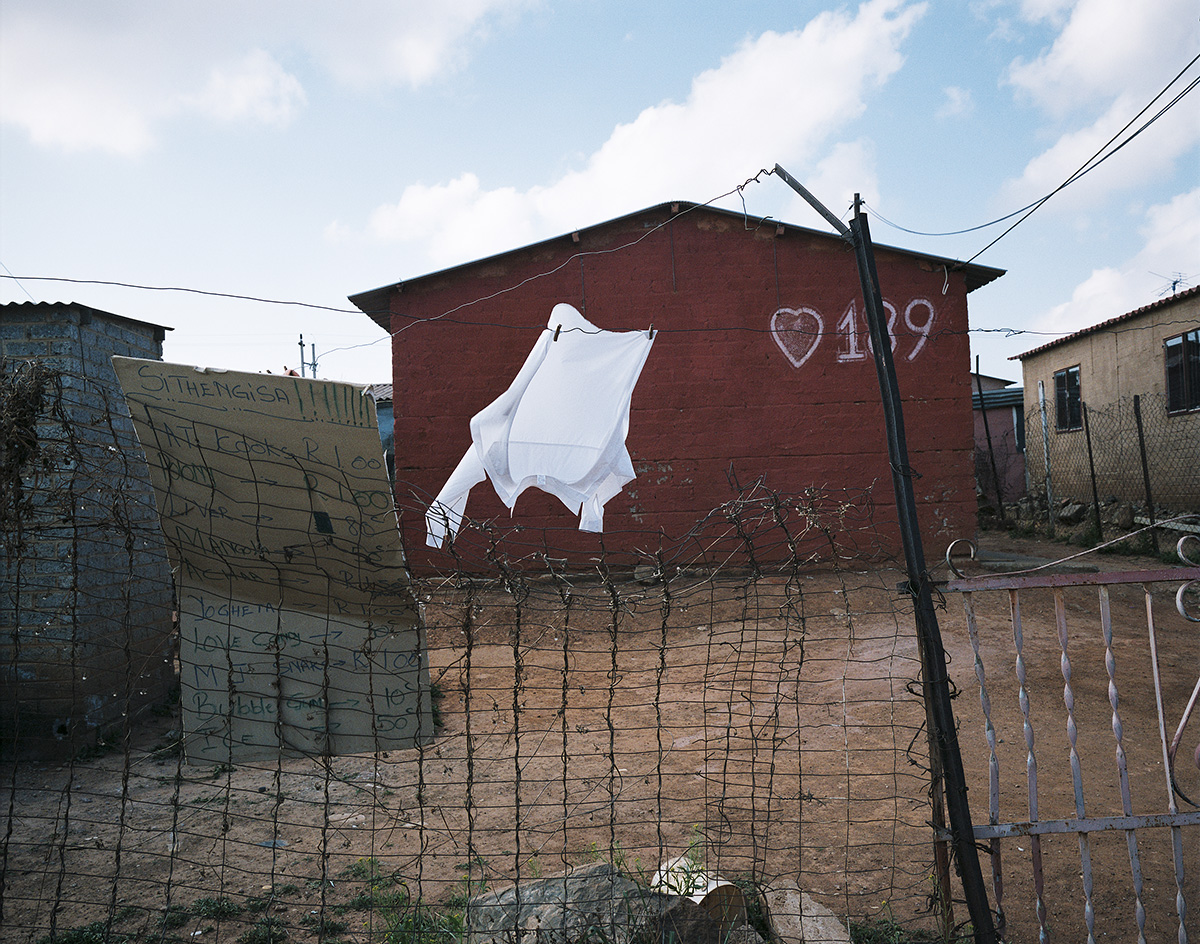
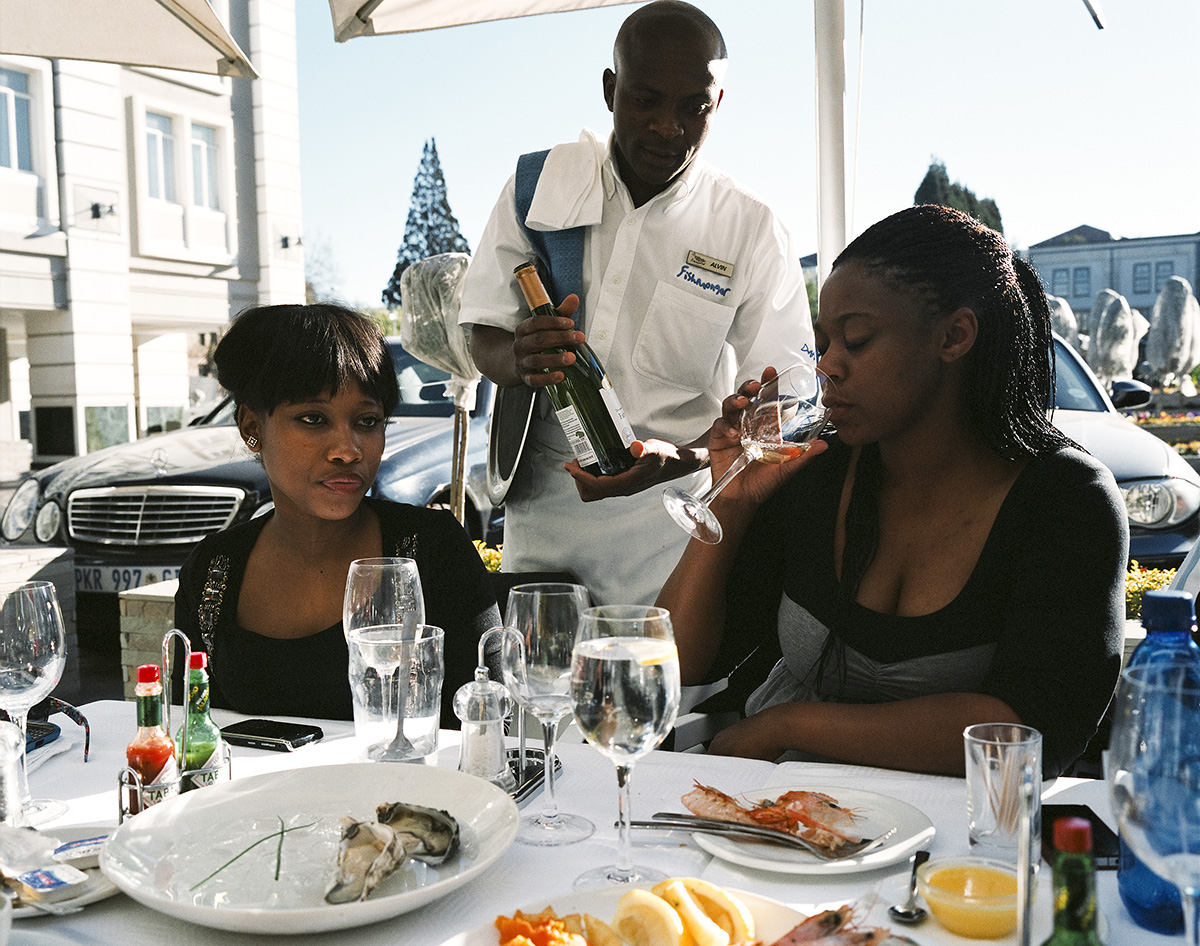
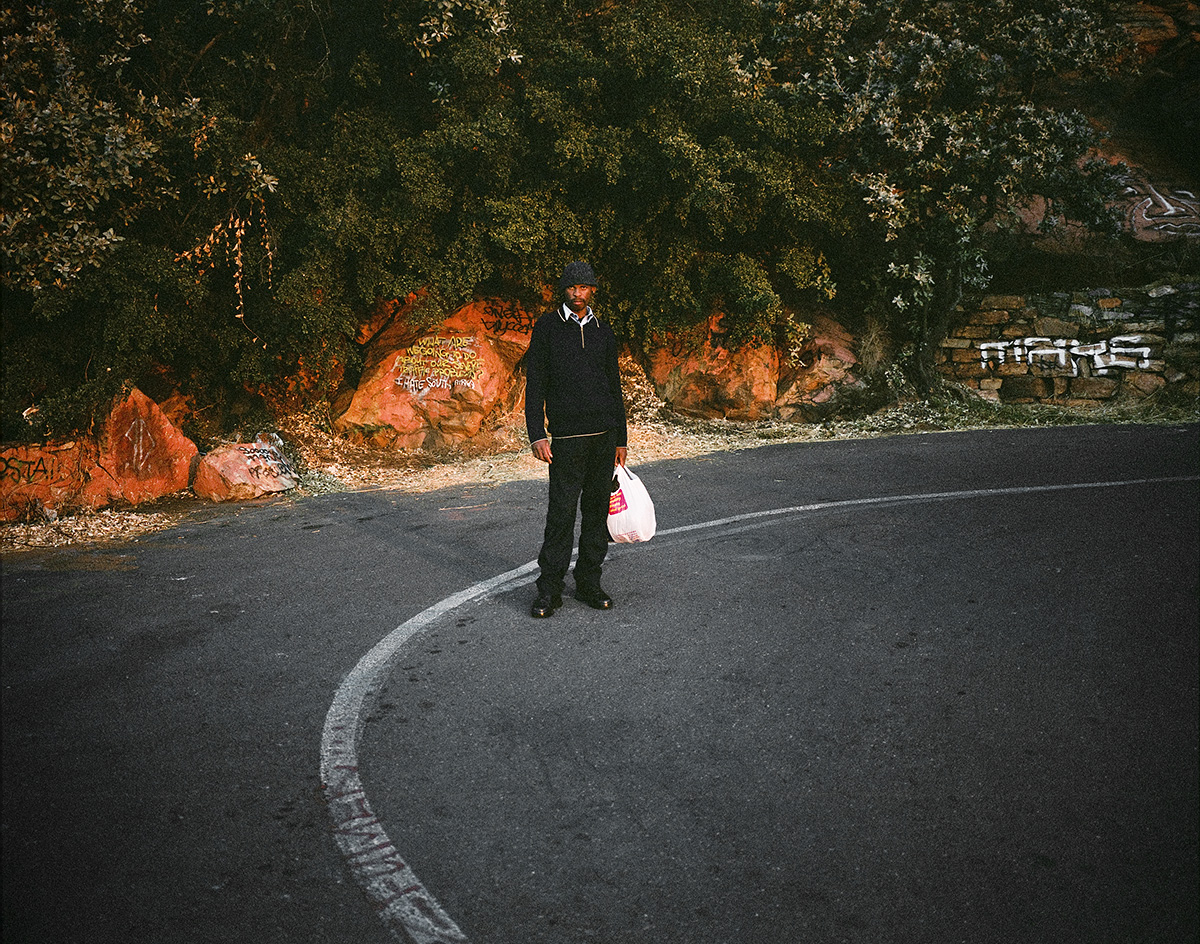
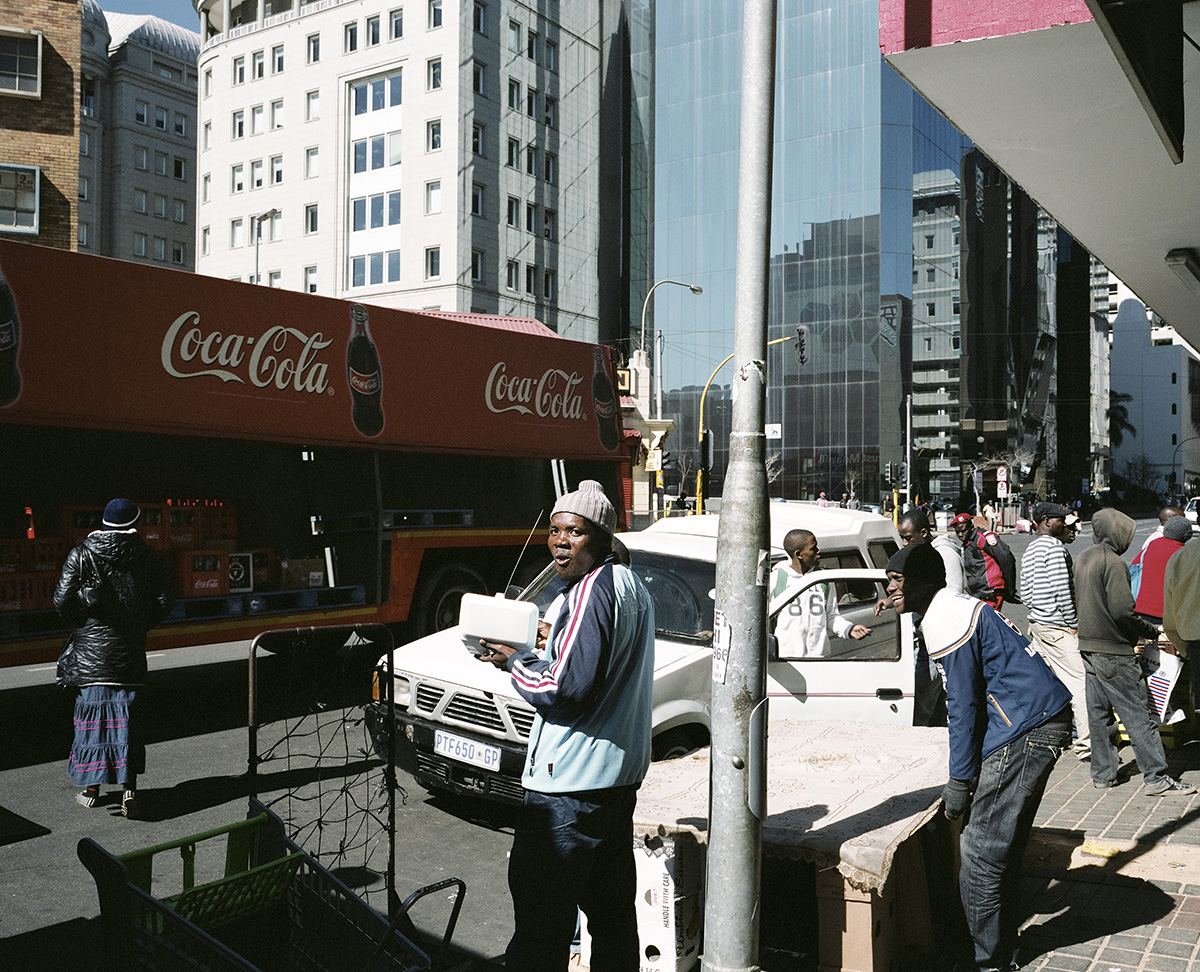
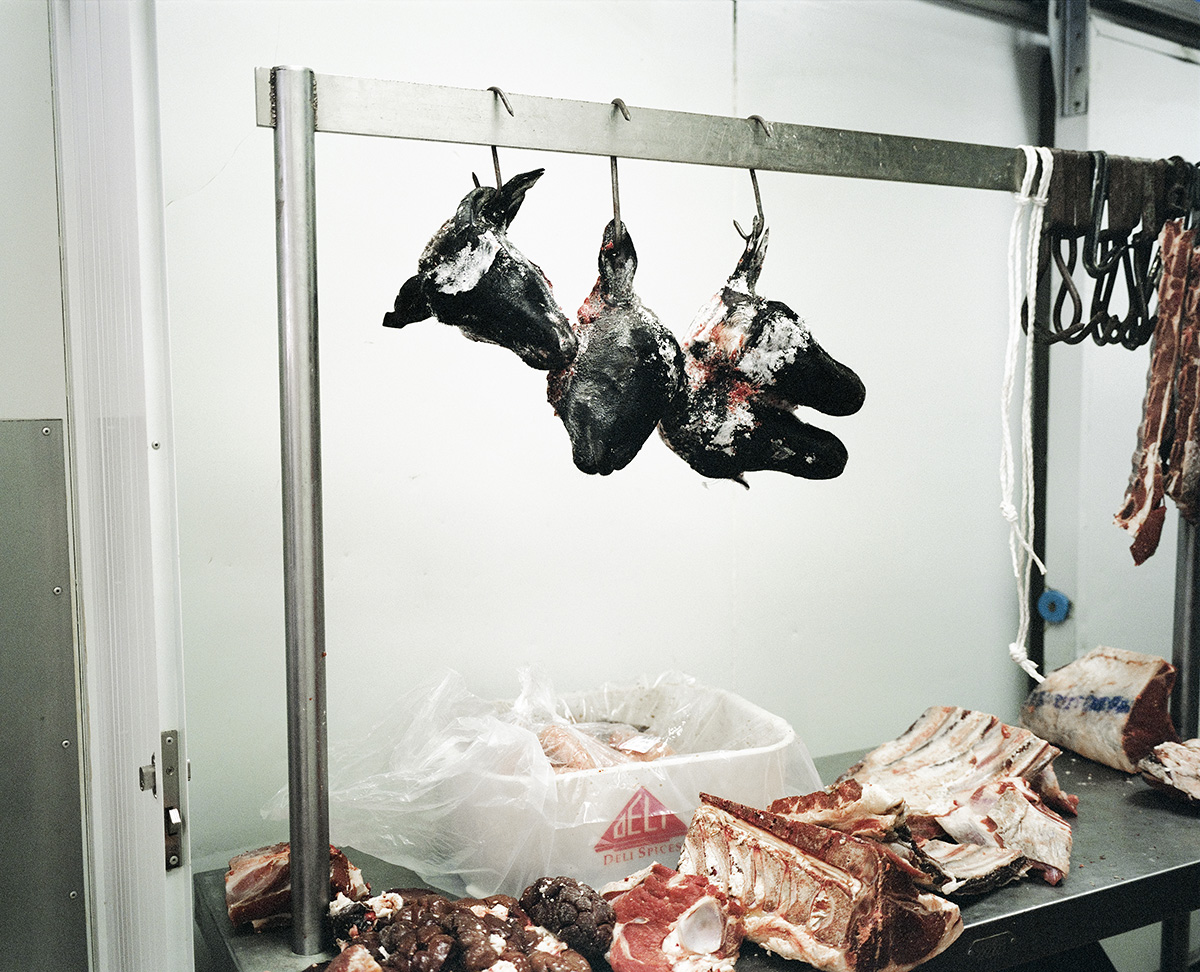
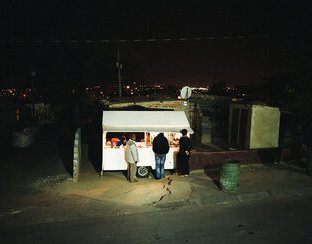
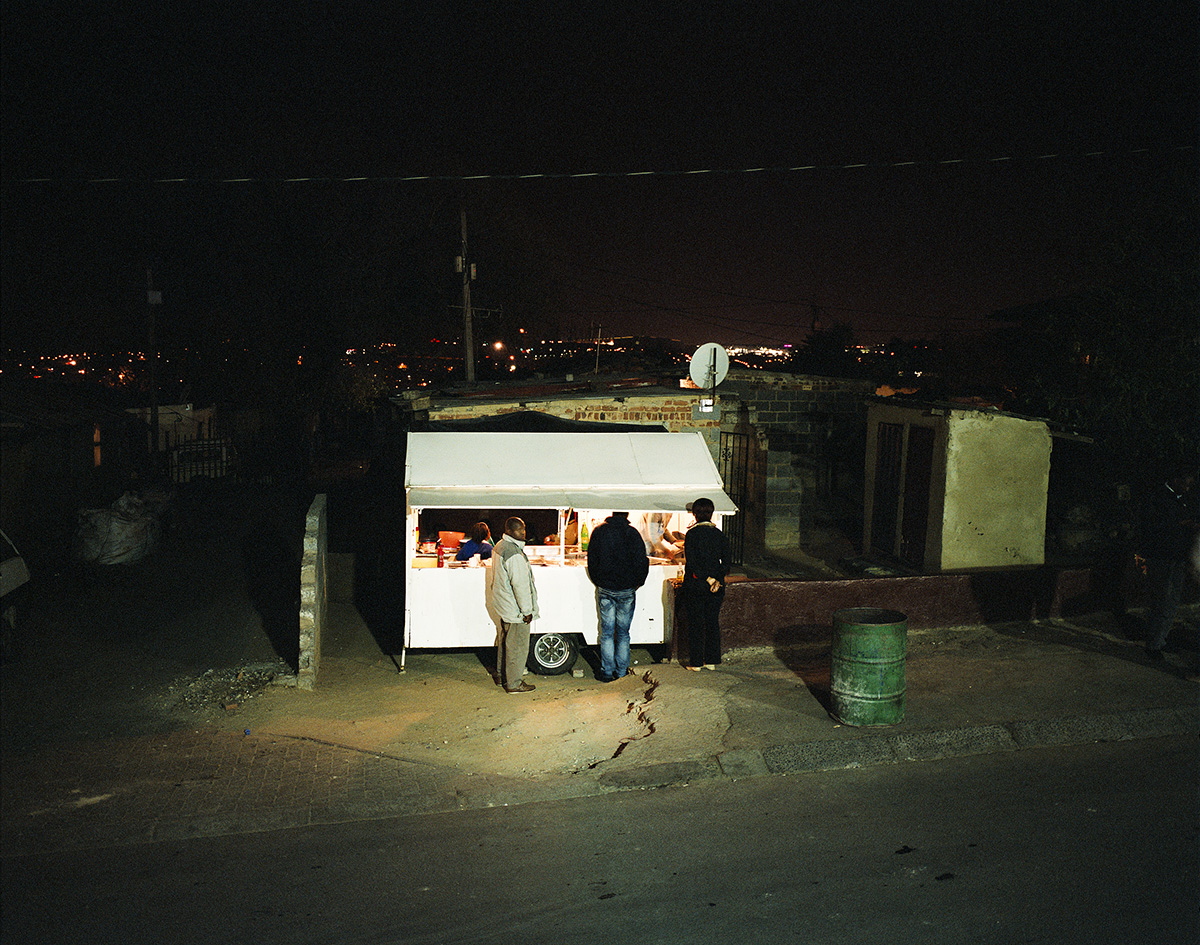
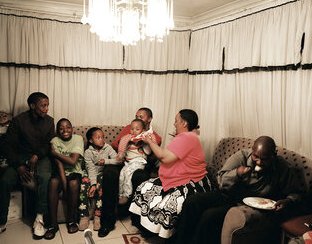
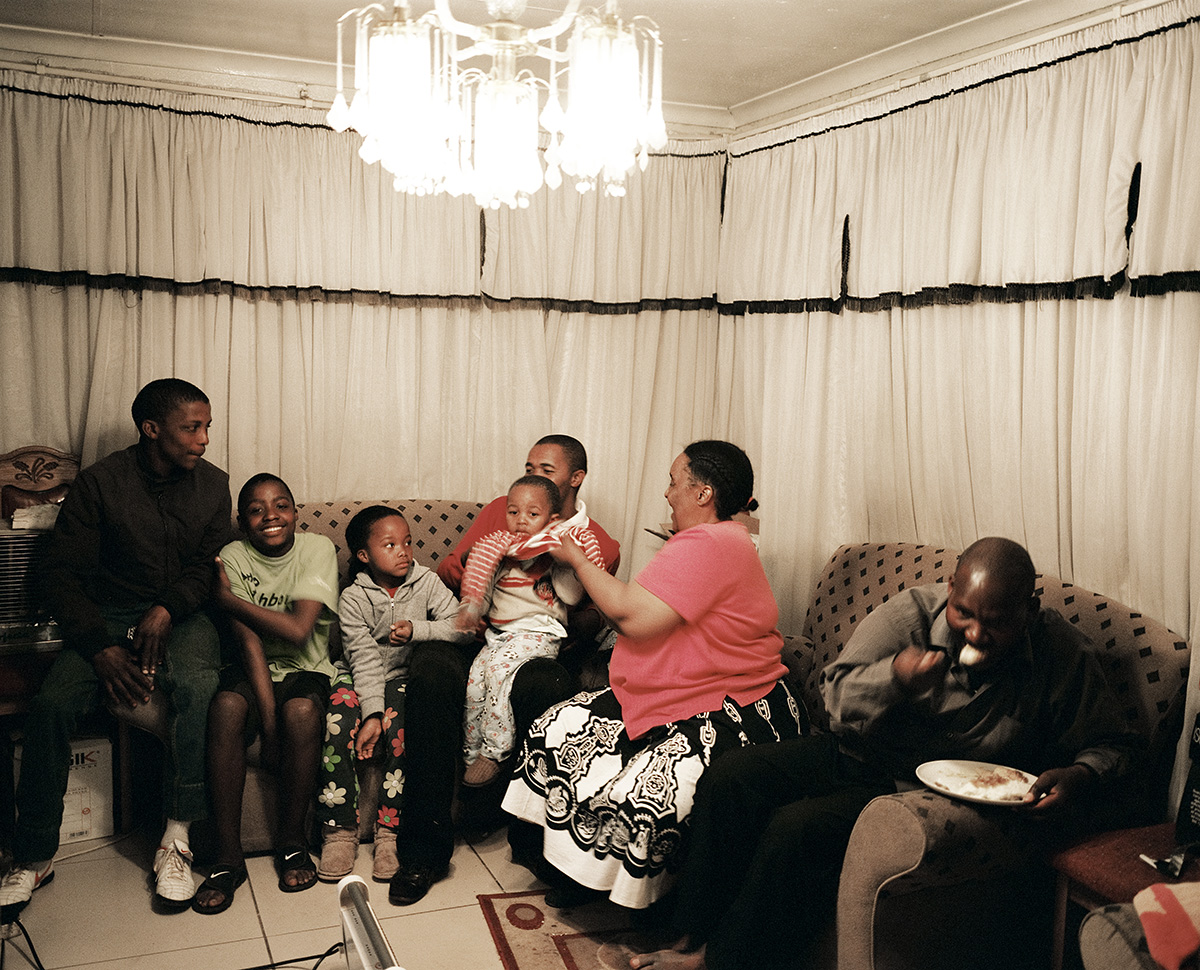
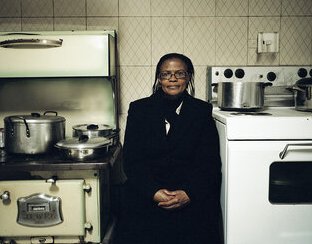
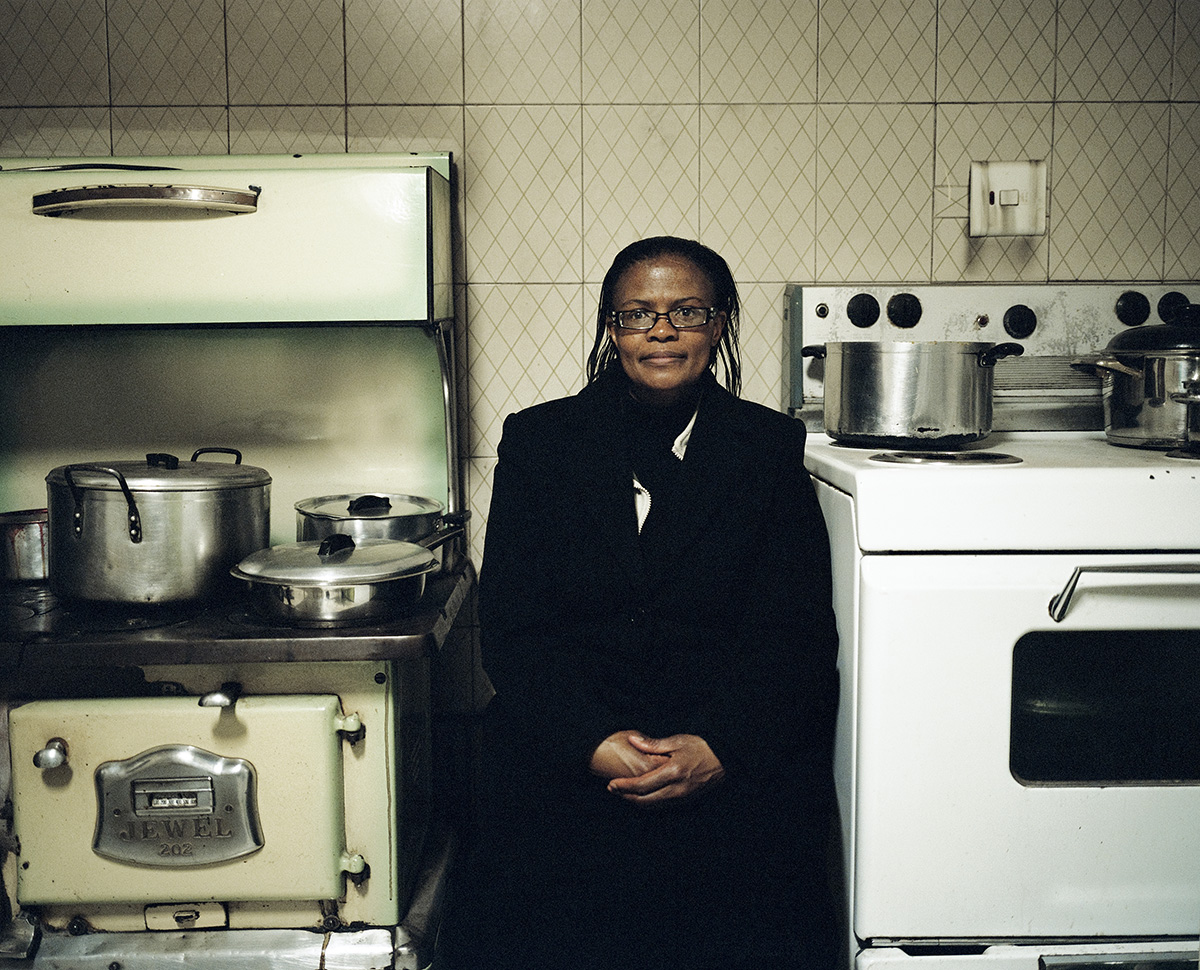
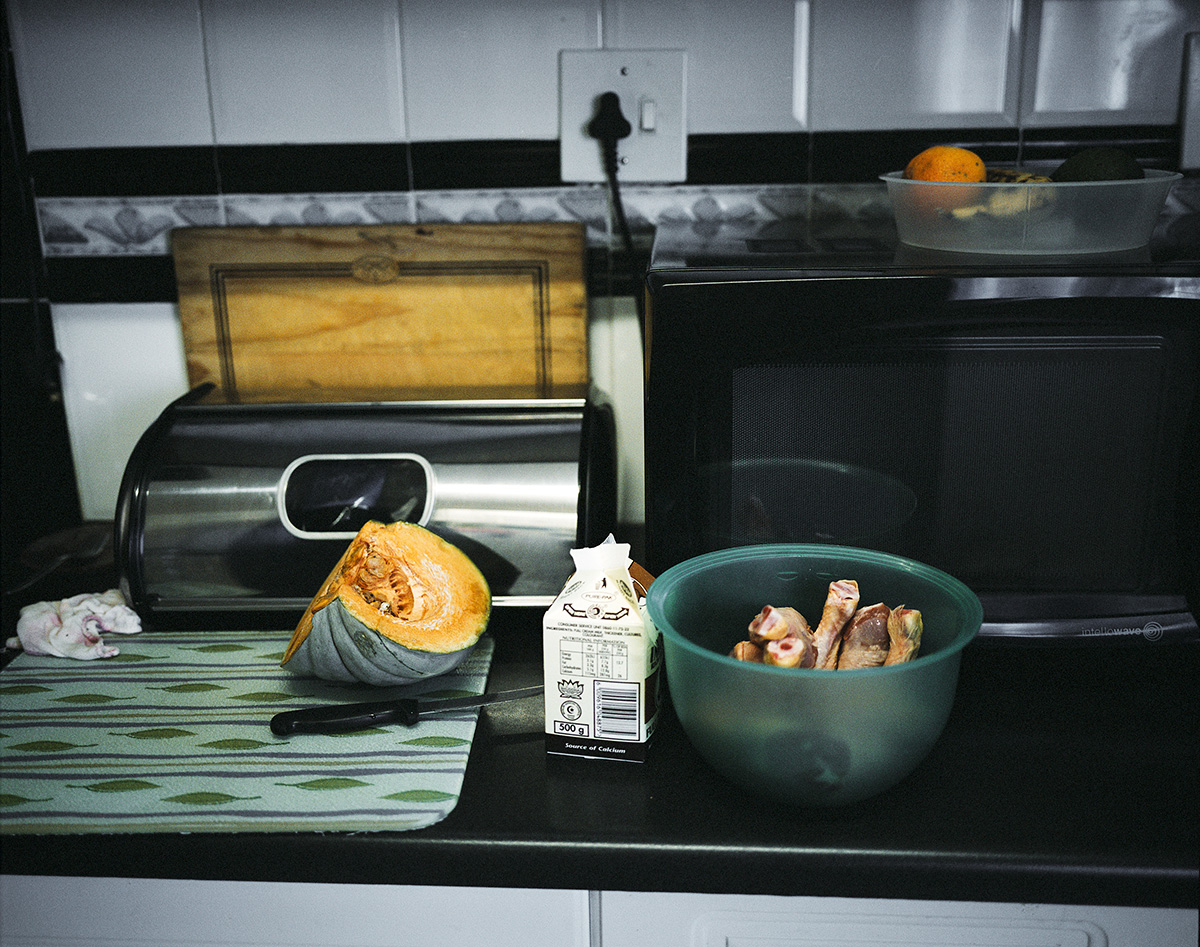
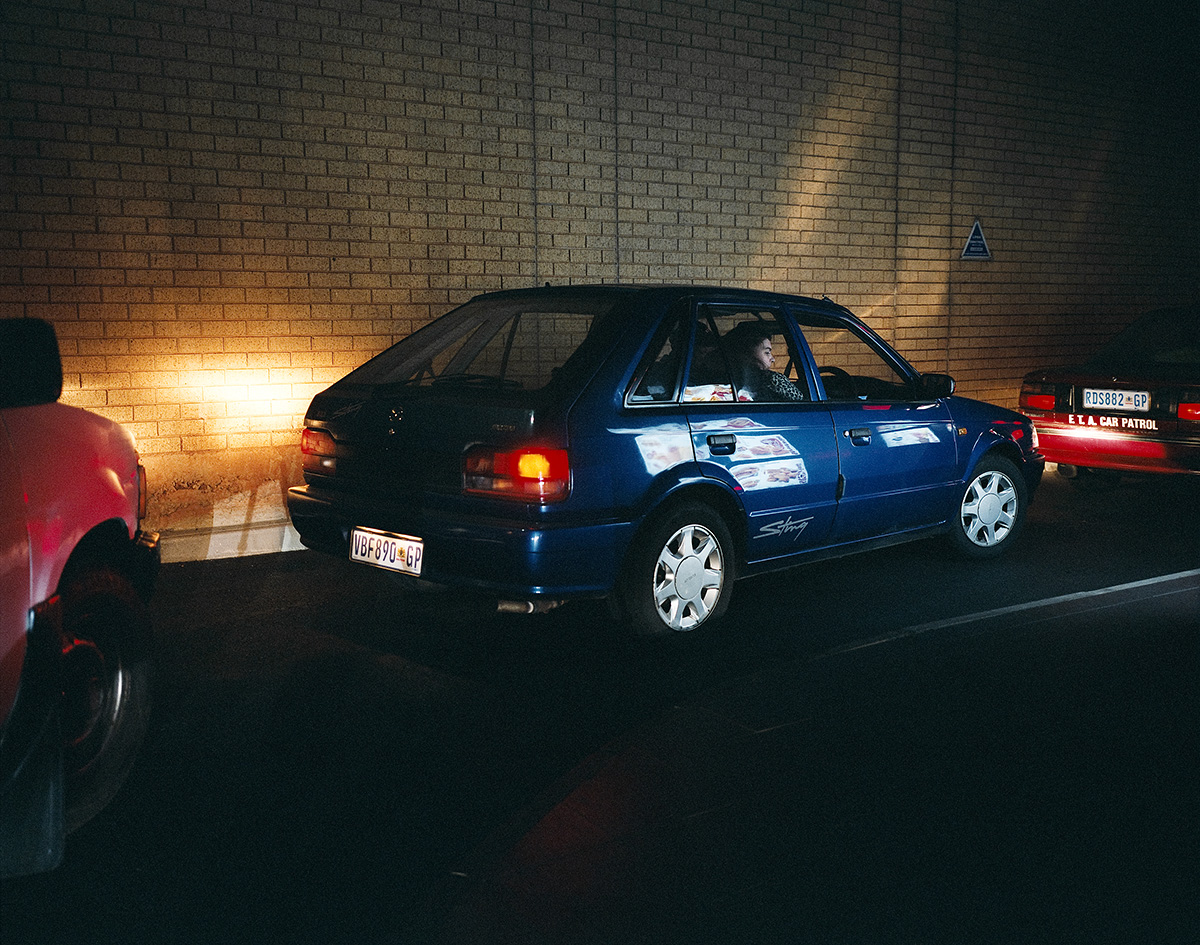
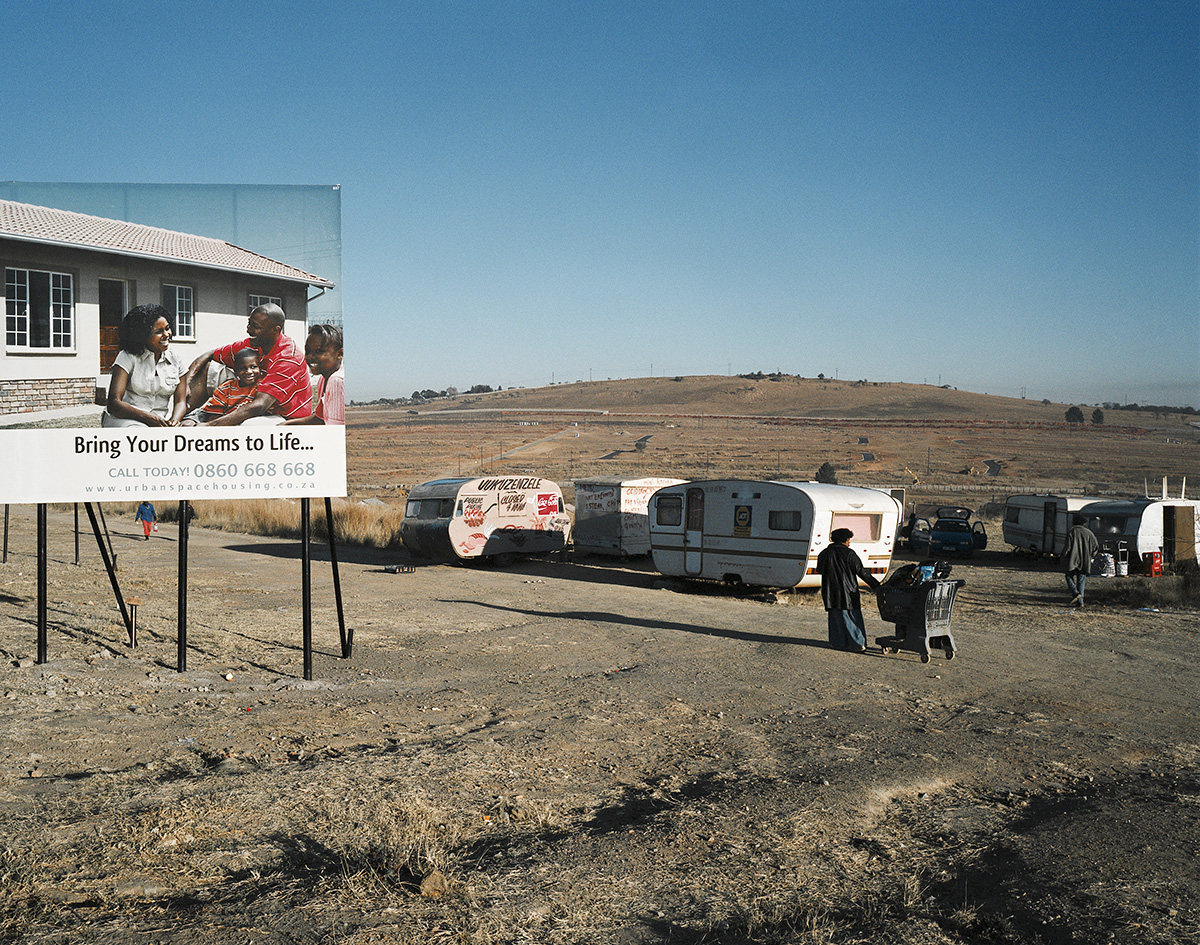
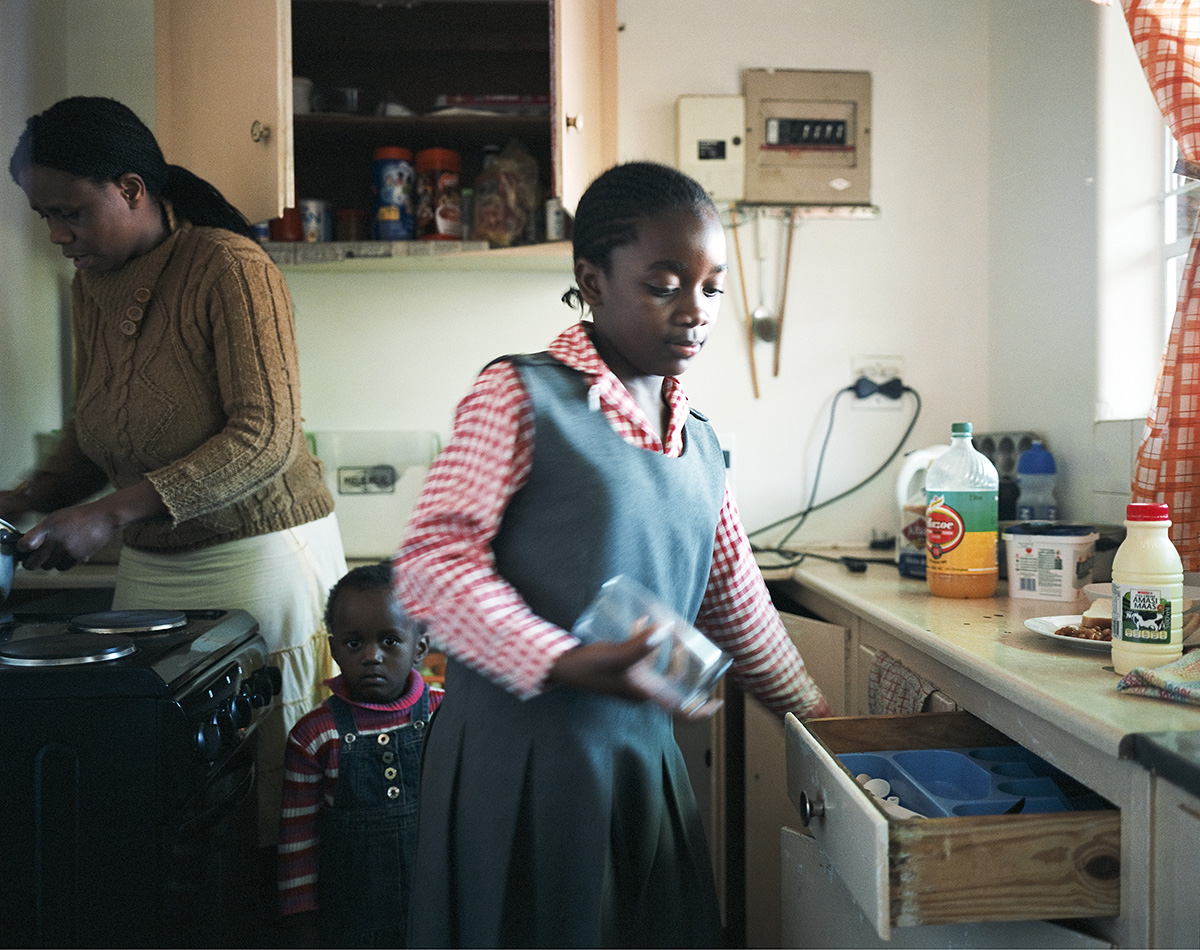
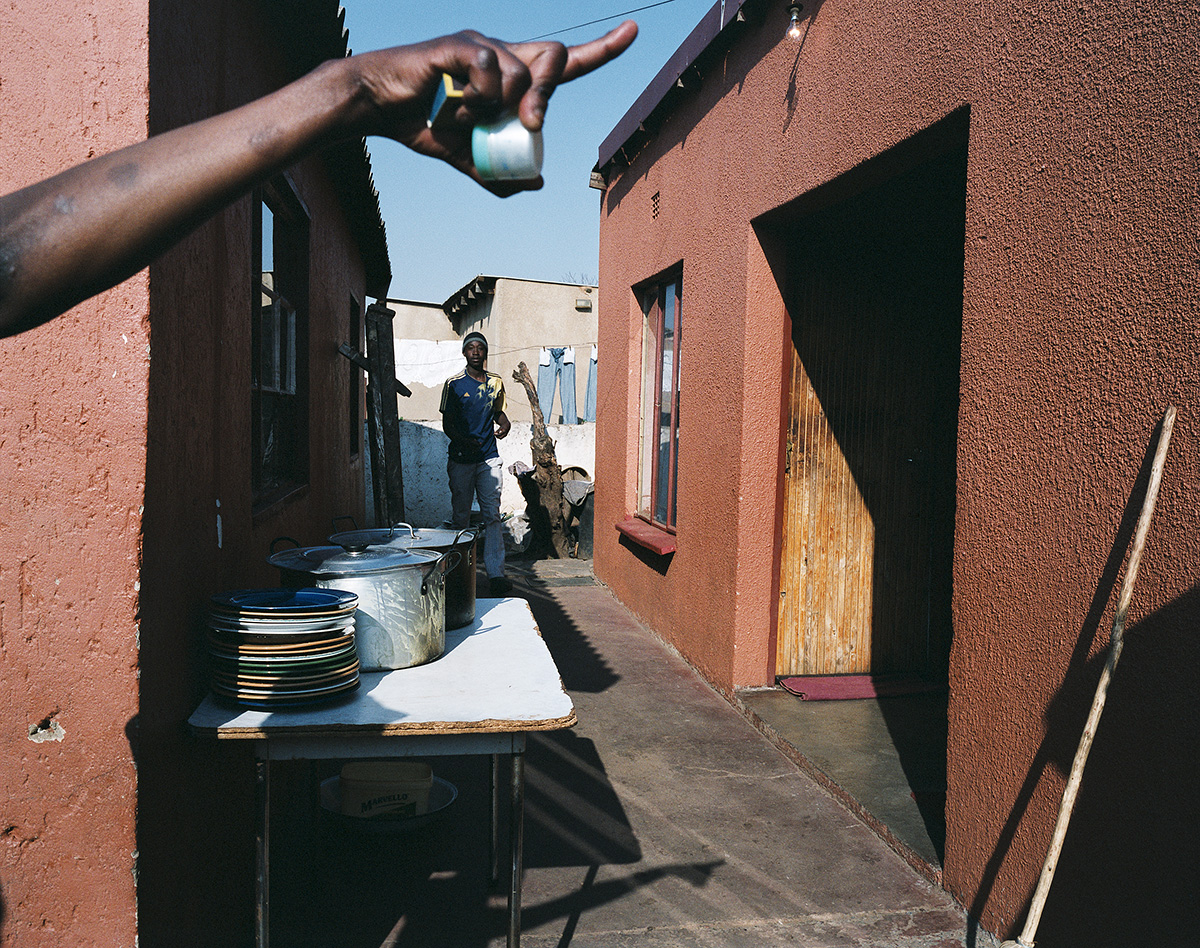
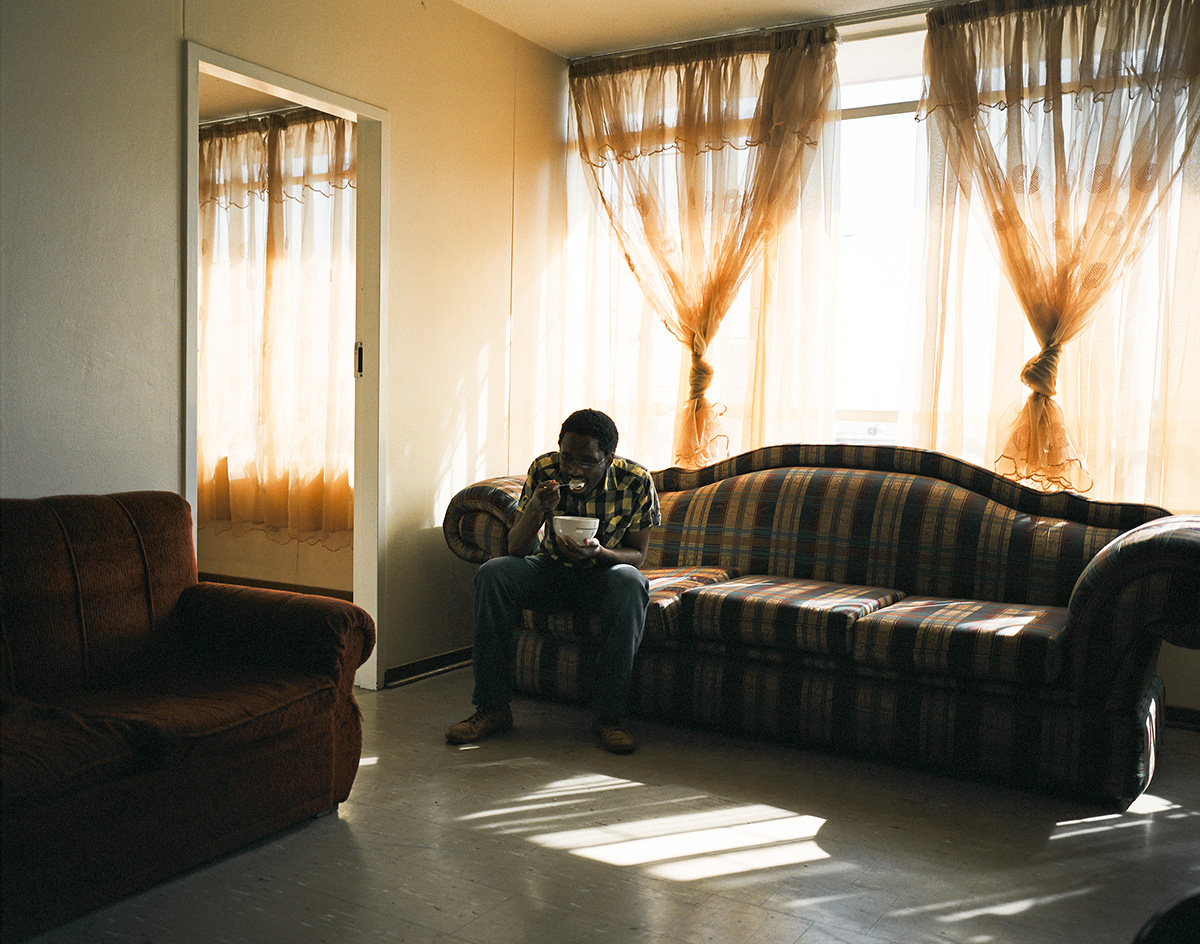
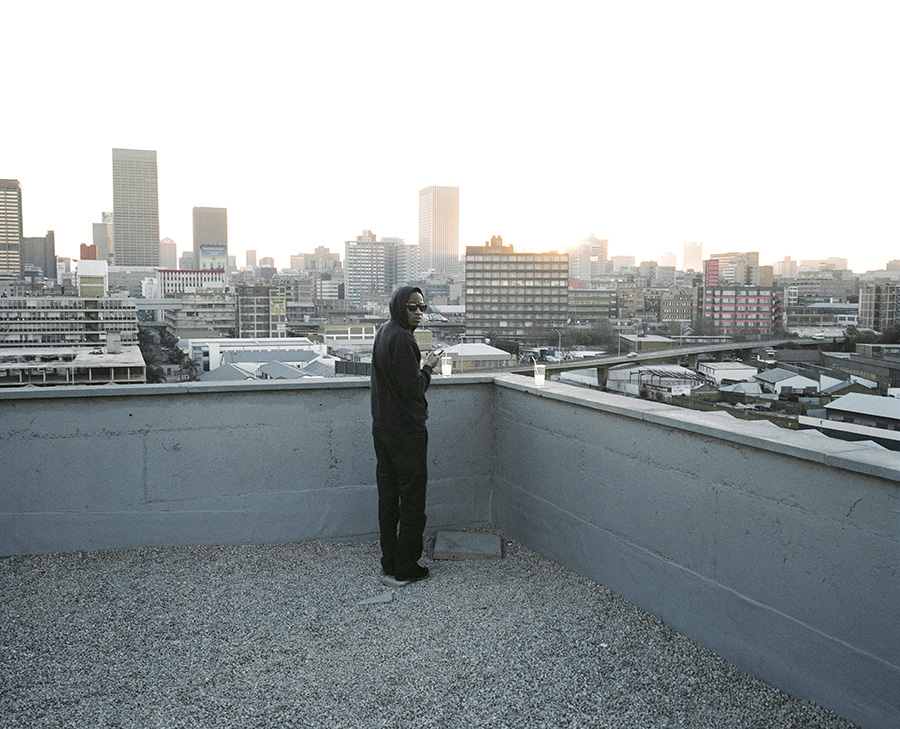
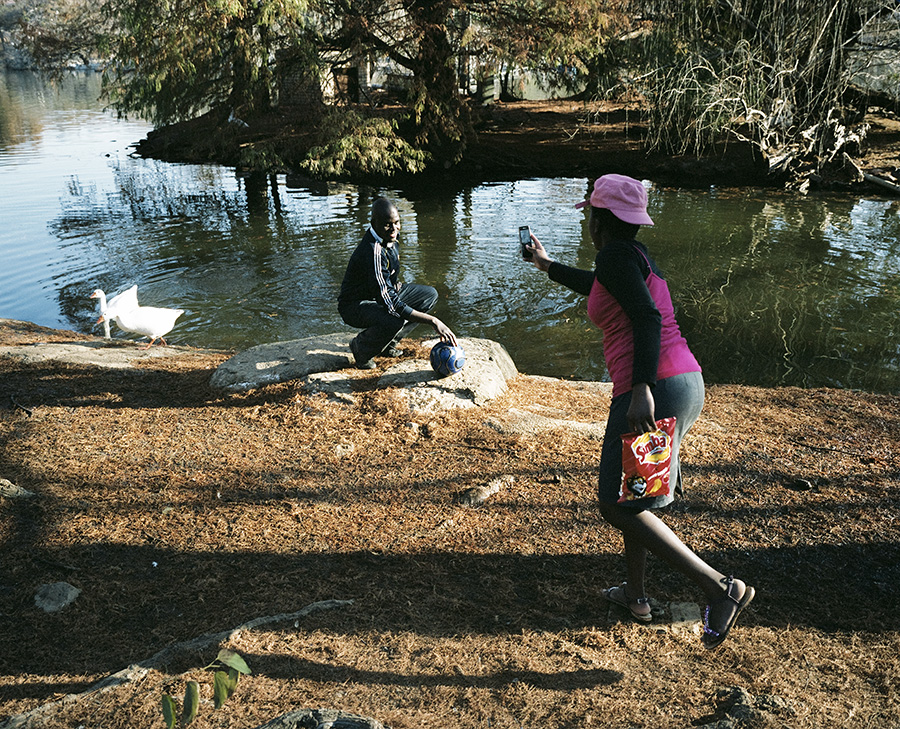
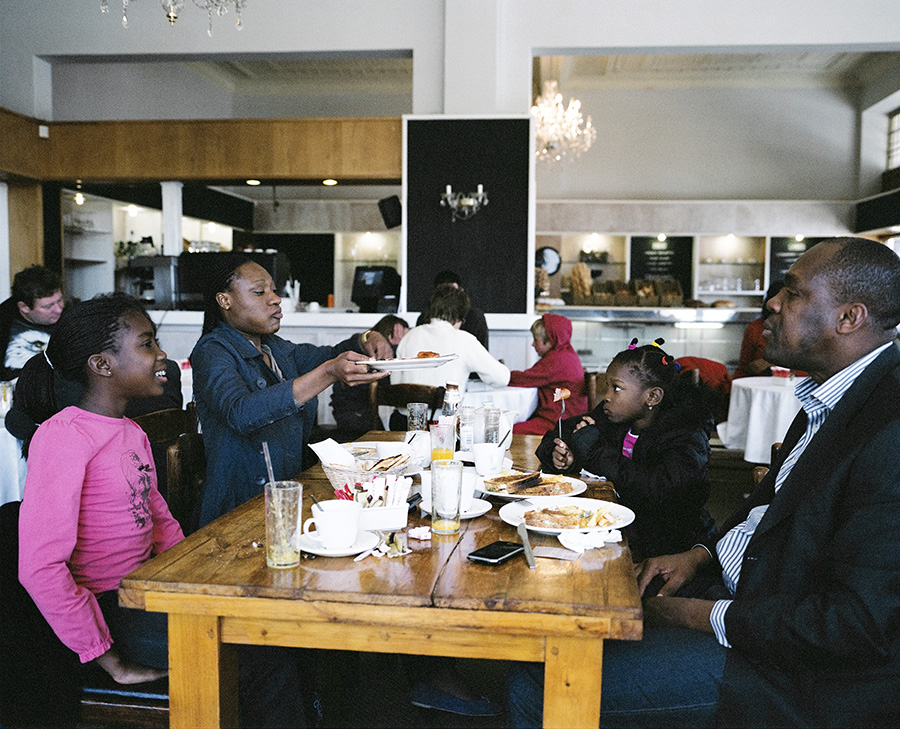
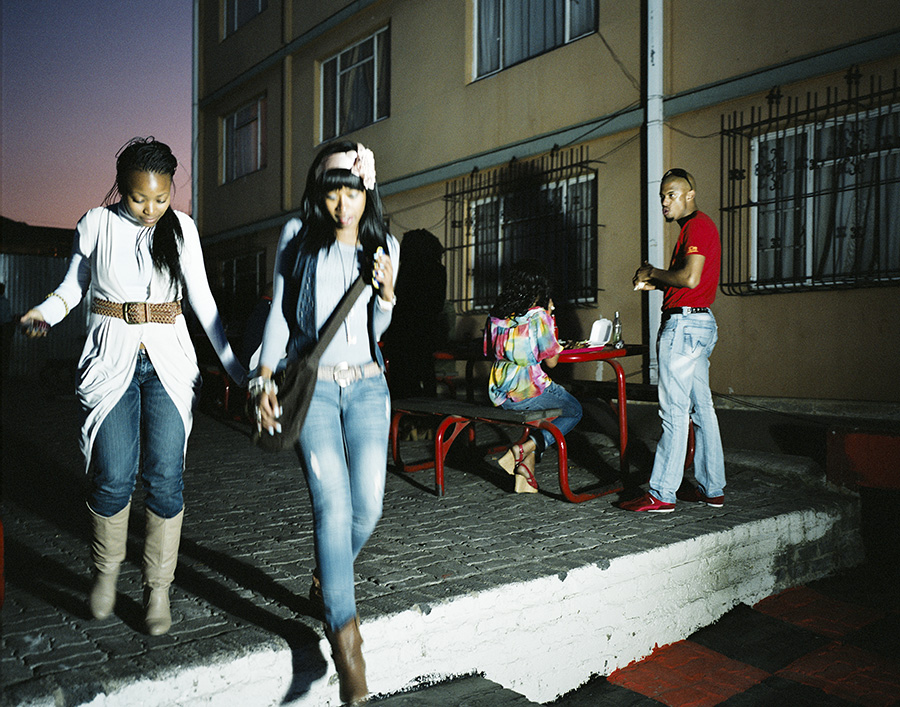
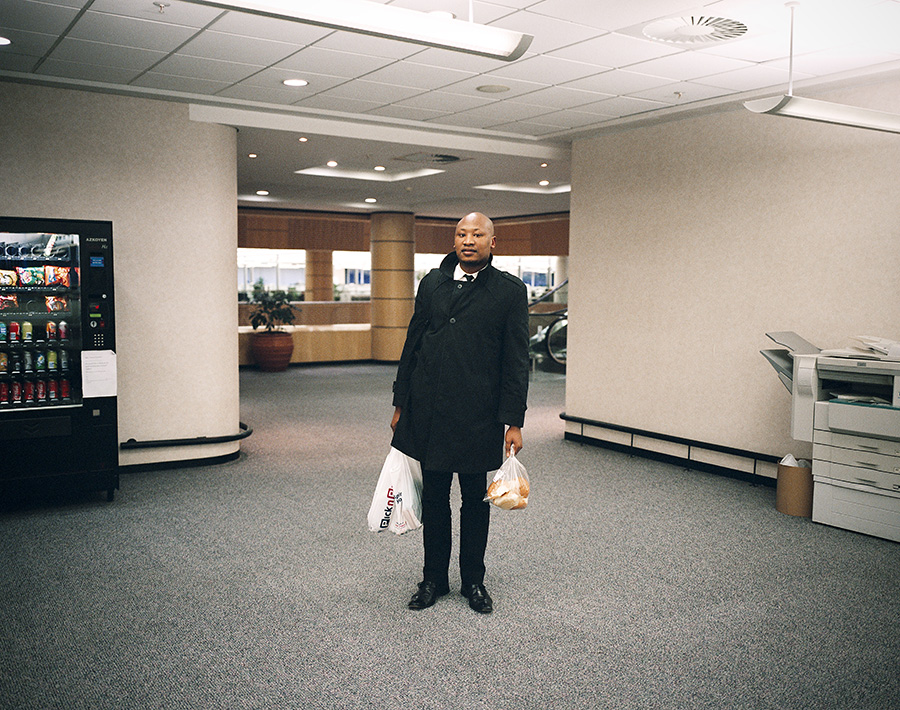
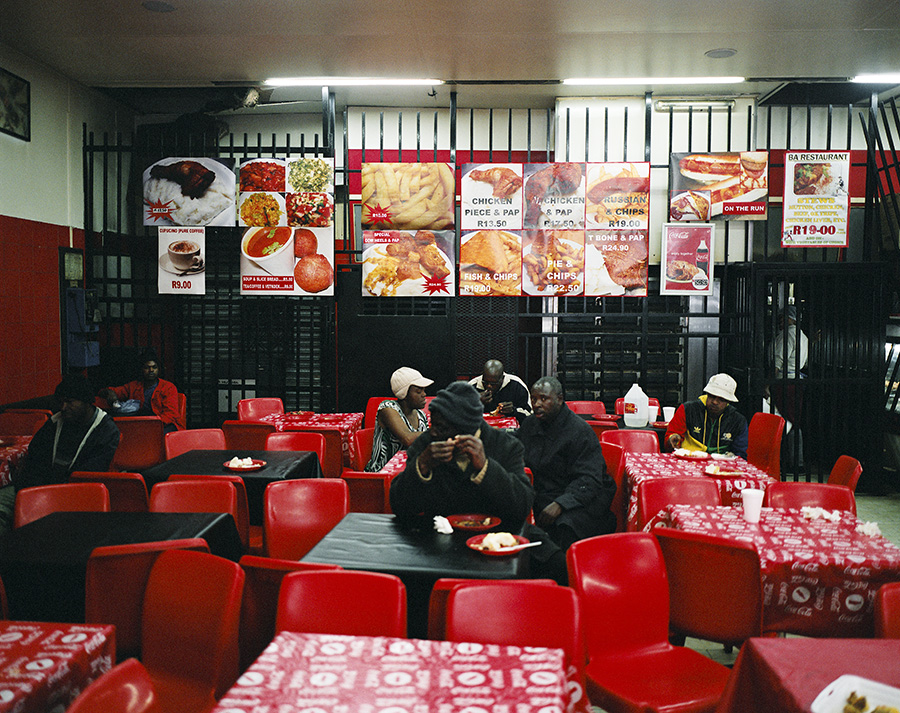
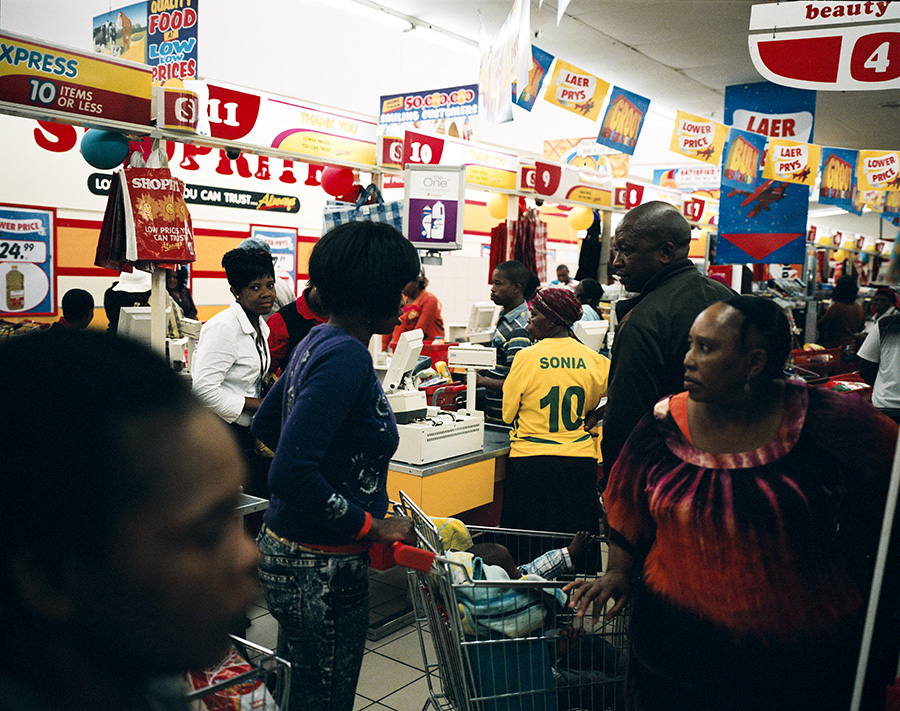
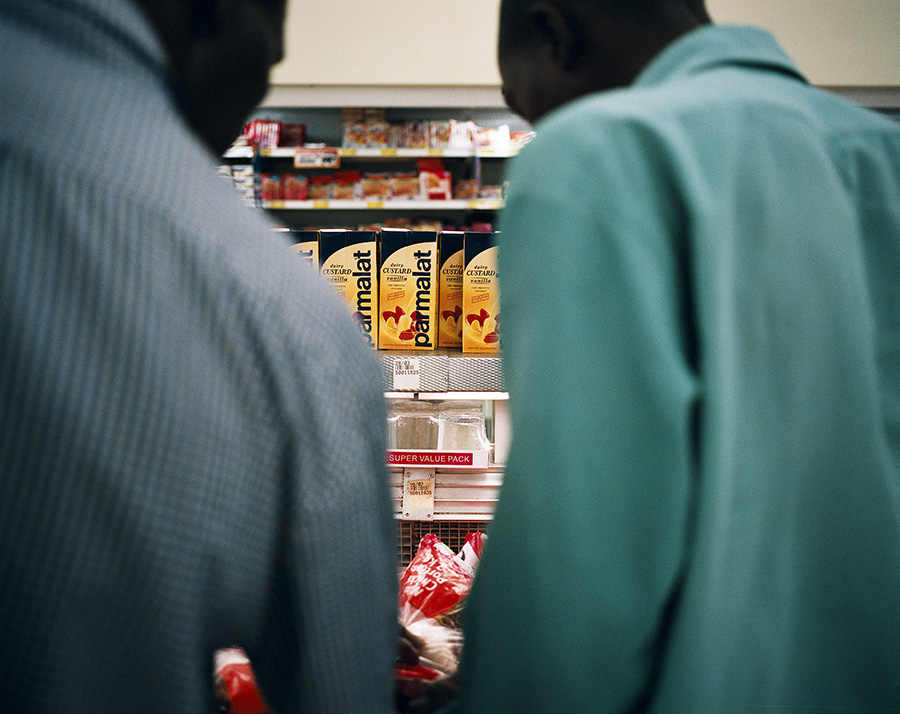
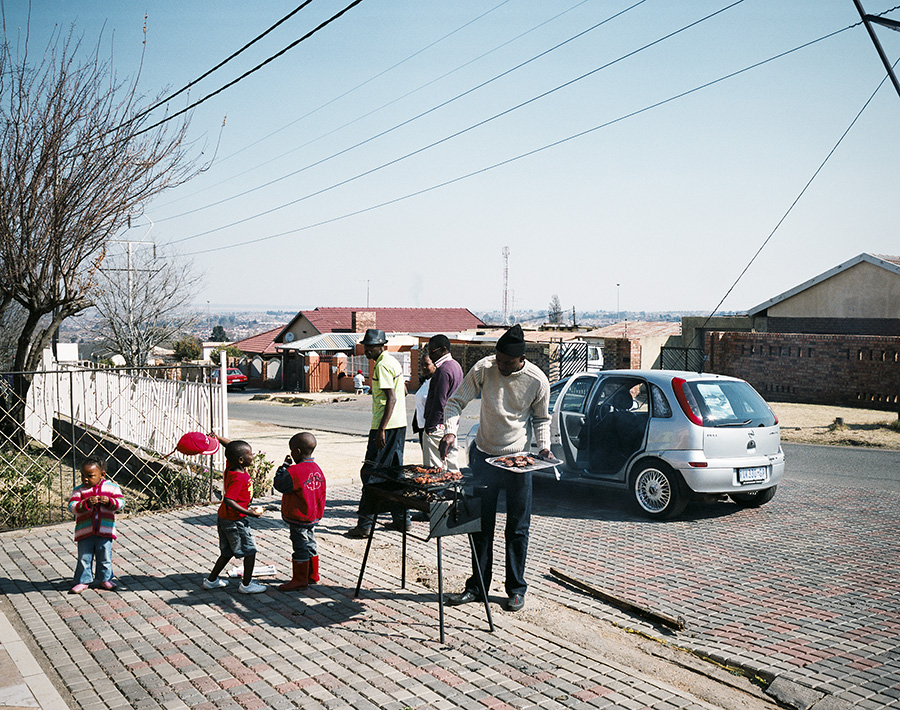
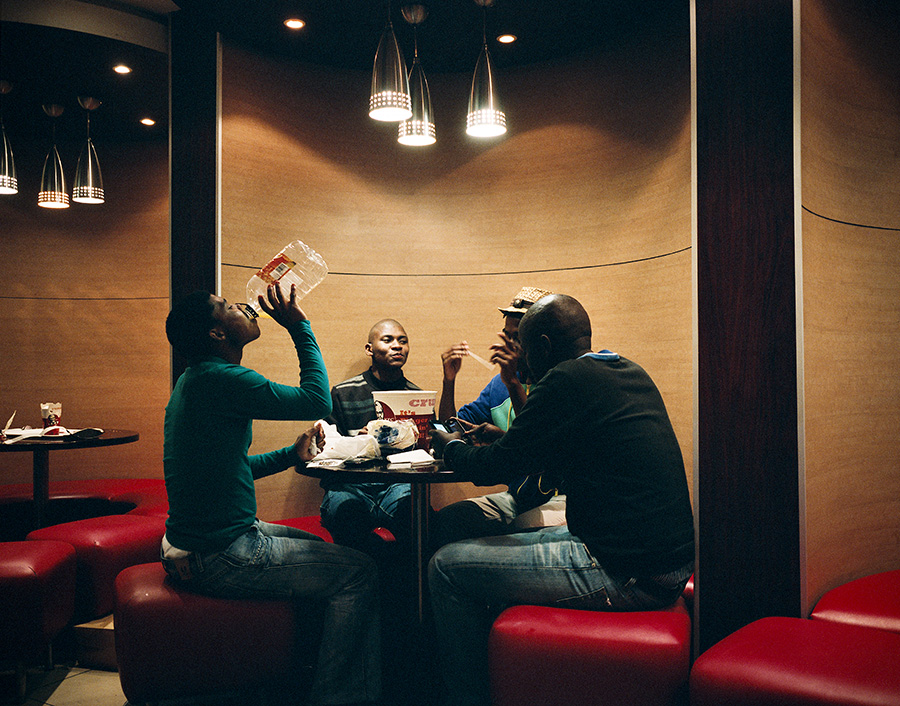
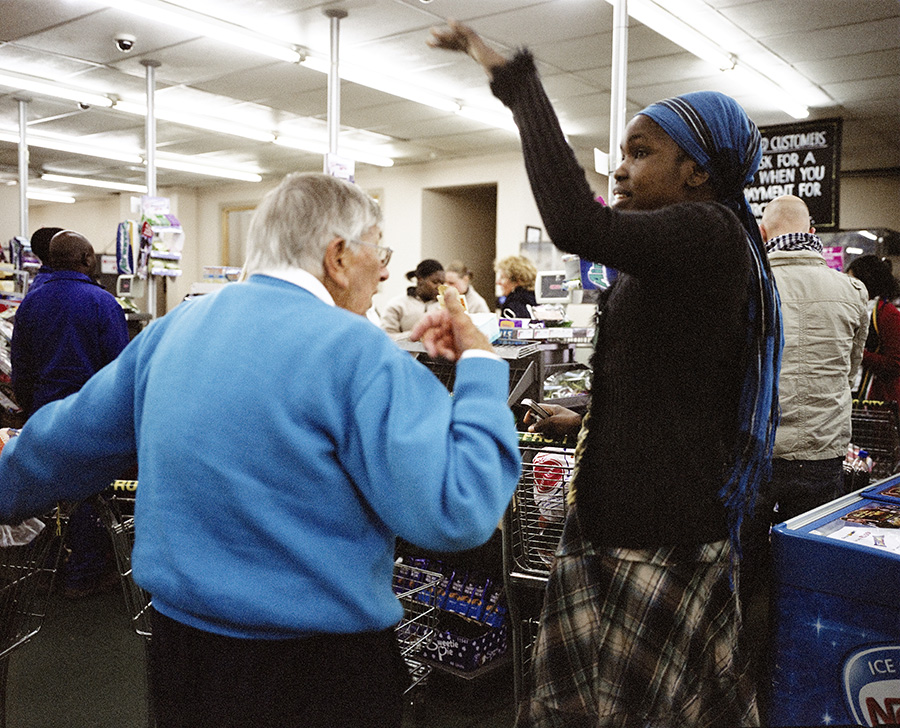
« I chose to carry out a photographic road trip, following the footsteps of some members of the middle class black population from Jo’burg.
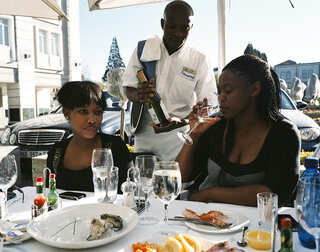
From the townships of their childhood that they often go back to at weekends (or that they want to forget at all costs), towards the large, new suburban estates built for them and accessible thanks to easy credit ; and for the lucky ones, on towards wealthy districts that are still mainly white, « Relationships here are transactional, more than anything », as one of them said to me.
My common thread, my GPS, my compass on this trip is, of course, their diet : the places they shop, consume, family food shopping, junk food wolfed down in cars before going back to work, or sausages eaten at the end of a long night dancing. »
Journalist accounts
Alongside the analytical and visual creation work, a journalist wrote four articles about the key – and most representative – moments of middle class daily life relating to dietary habits. This was highlighted by the work of the expert and the visual artist.
They are published and available here :