"Home")



 "Afro food... for thought : Nigeria")
 "The Wall of Chicon-Witloof (Belgium)")
Collateral Creations developed and implemented a reliable and creative visual methodology, based on OECD DAC criteria, for evaluating the relevance and impact of this programme, whose purpose is to foster governance by encouraging dialogue between Tunisian authorities and civil society.
First film : relevance & context of the Programme
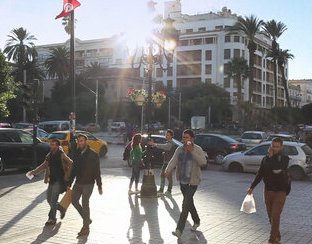
This first film focuses on the Tunisian context for this PASC, characterized:
- A period of political transition following the Revolution of January 2011, steered by an elected Constituent Assembly, the publication of a new Constitution in January 2014 and the advent of Tunisian representative democracy with the organisation of general elections by the end of 2014.
- Massive and rather uncoordinated international donor support to the many CSOs that emerged in this period, of diverse activist and capacity profiles.
- The degradation of the situation in neighboring Libya and in the Sahel which affects the domestic security dimension.
- Domestic tensions between secular and islamic politics, whose stakes and effects have grown regional or even global.
- The emergence of Tunisia as a model for stability among the other Arabic countries, whether they have witnessed post 2011 revolutionary movements or not.
This video evaluation thus intends to investigate whether PASC has been able to adapt to these changes in order to preserve the viability of its outcomes and to allow for the emergence of a more participatory democracy in Tunisia.
Film approach
The authors-filmmakers have chosen to stress their individual perspective in this video so as to affirm its difference with traditional audiovisual productions pursuing institutional communication objectives.
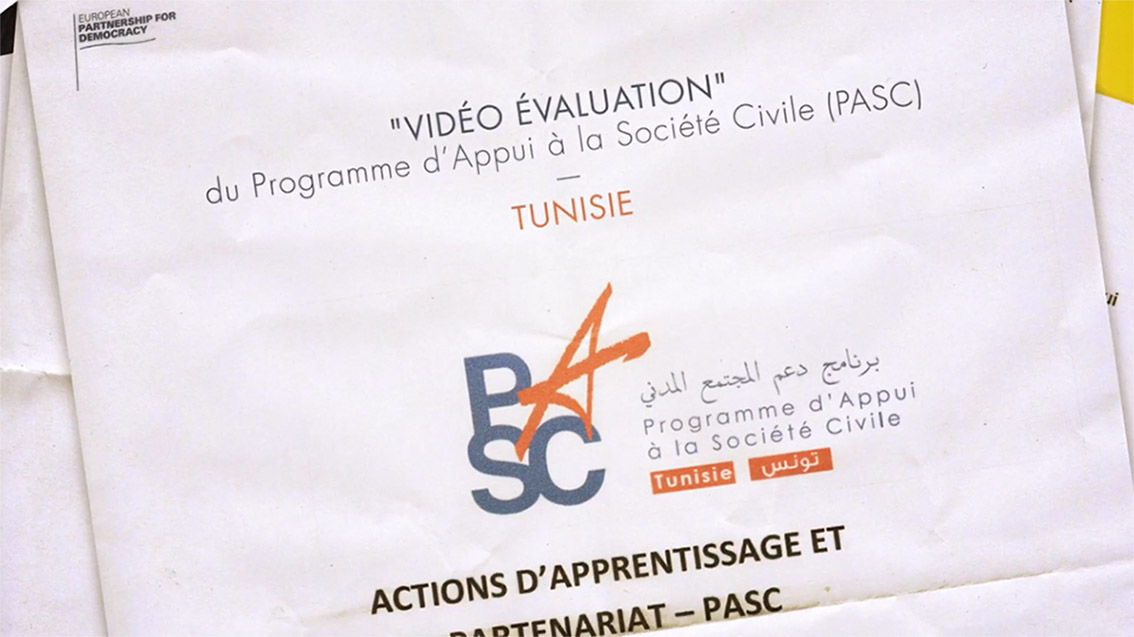
The introductory credits refer on purpose to the documentary basis of the PASC, whose analysis was a necessary preliminary step, typical of such an evaluation mission.
The general context is first apprehended in Tunis with the programme directors. So as to lay an appropriate analytical framework.
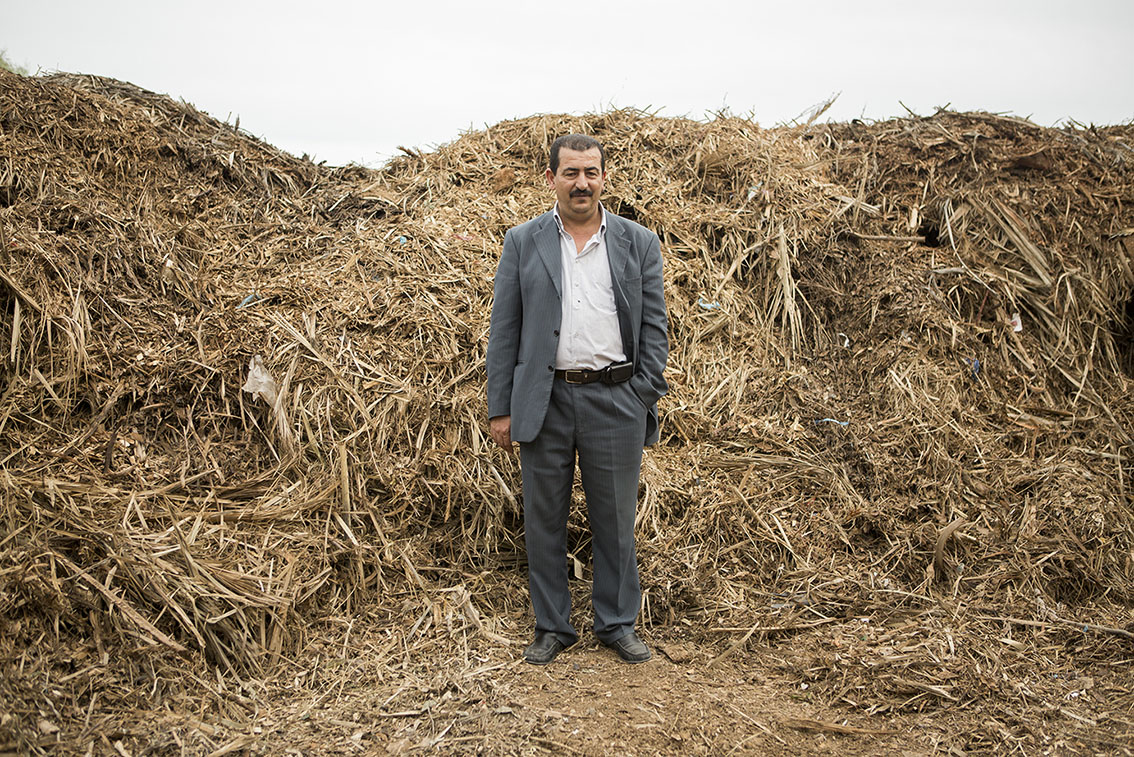
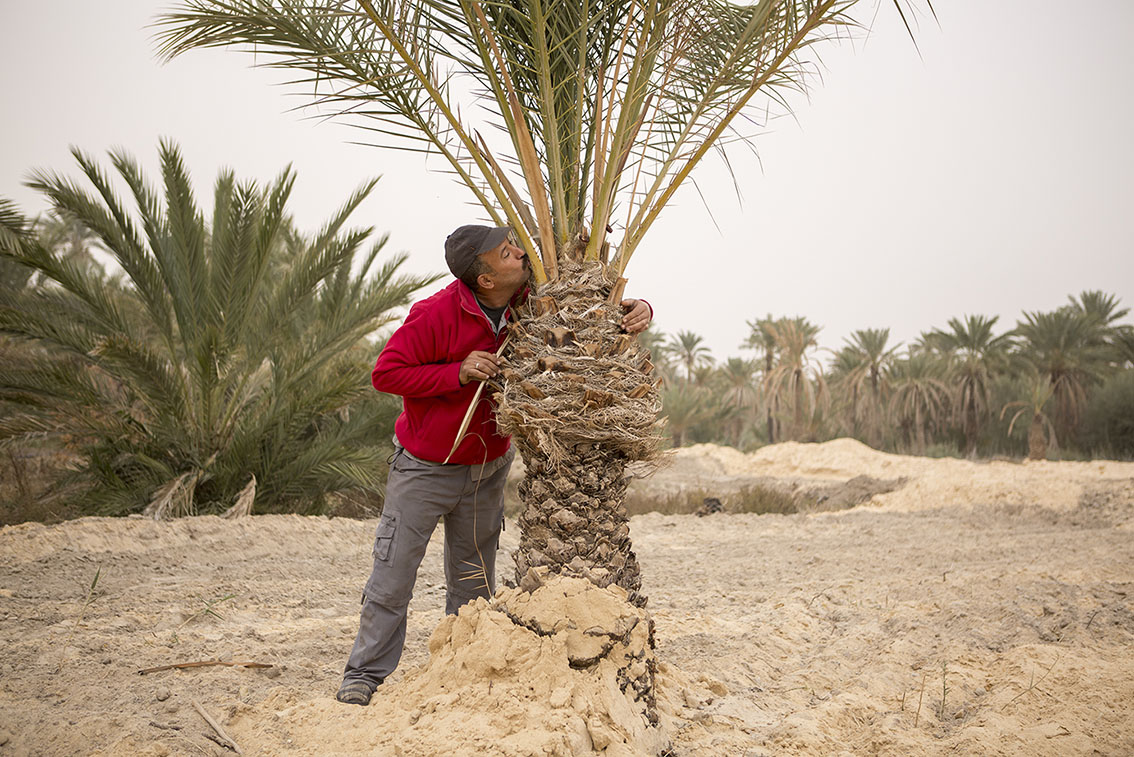
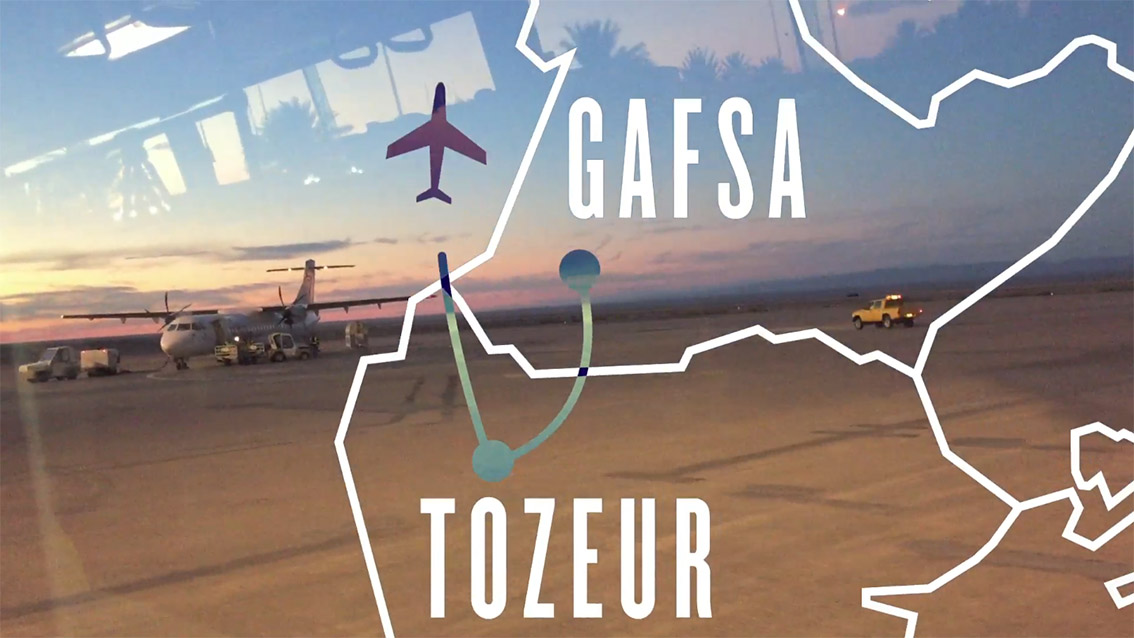
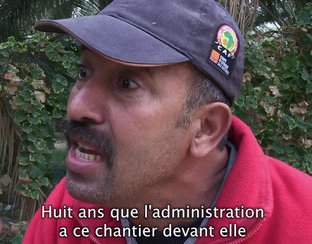
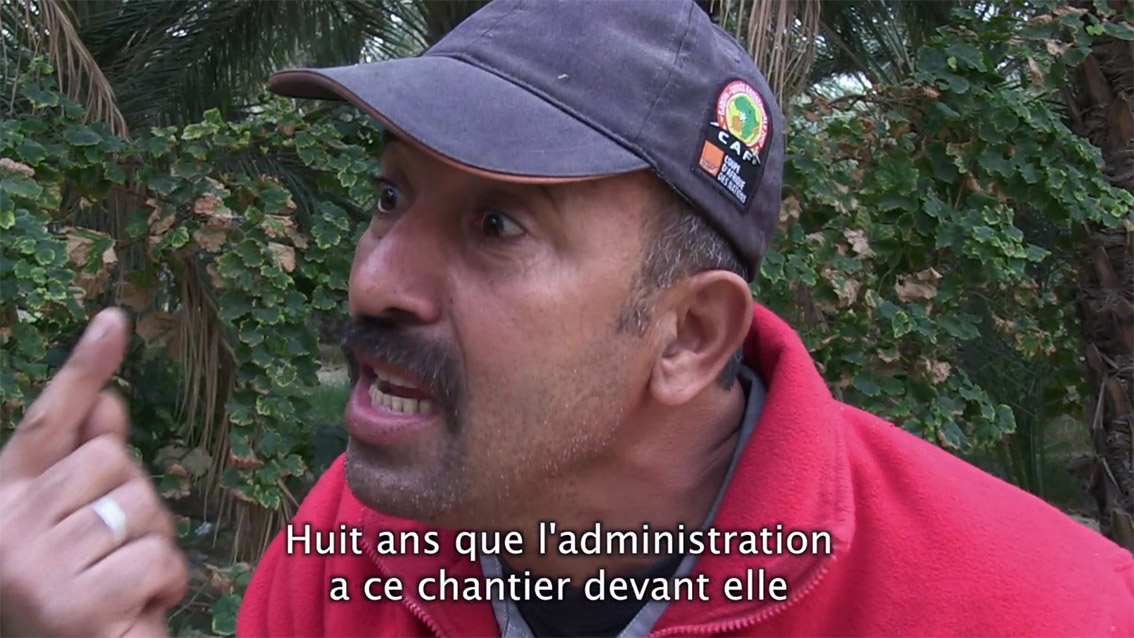
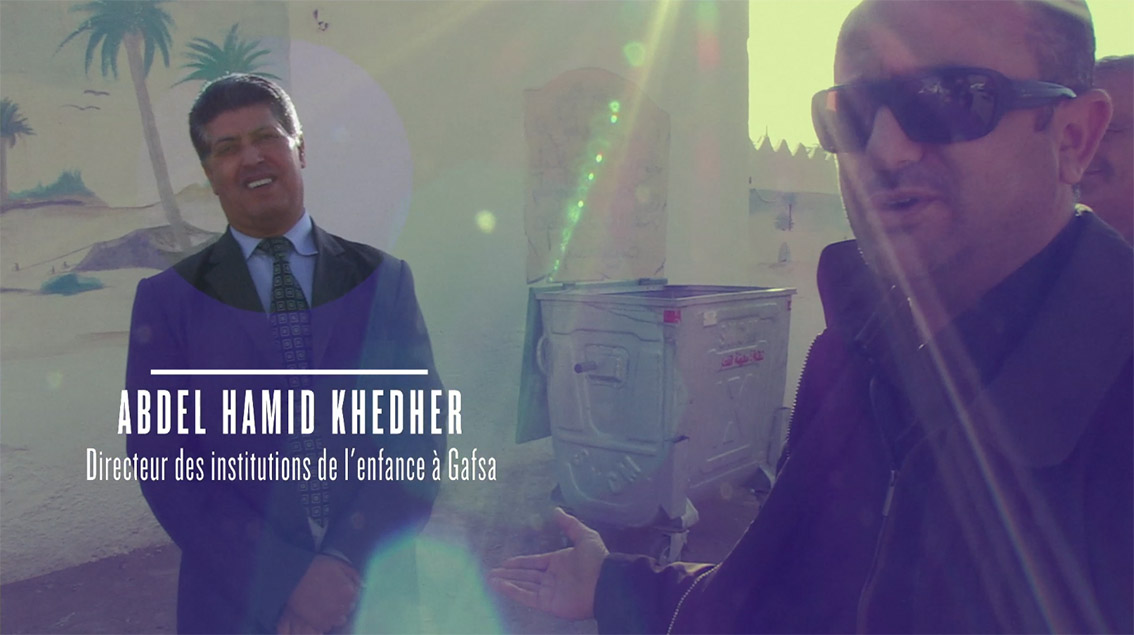
Field missions are then edited as specific case studies, and document 3 particular local governance issues supported by the PASC’s regional offices.
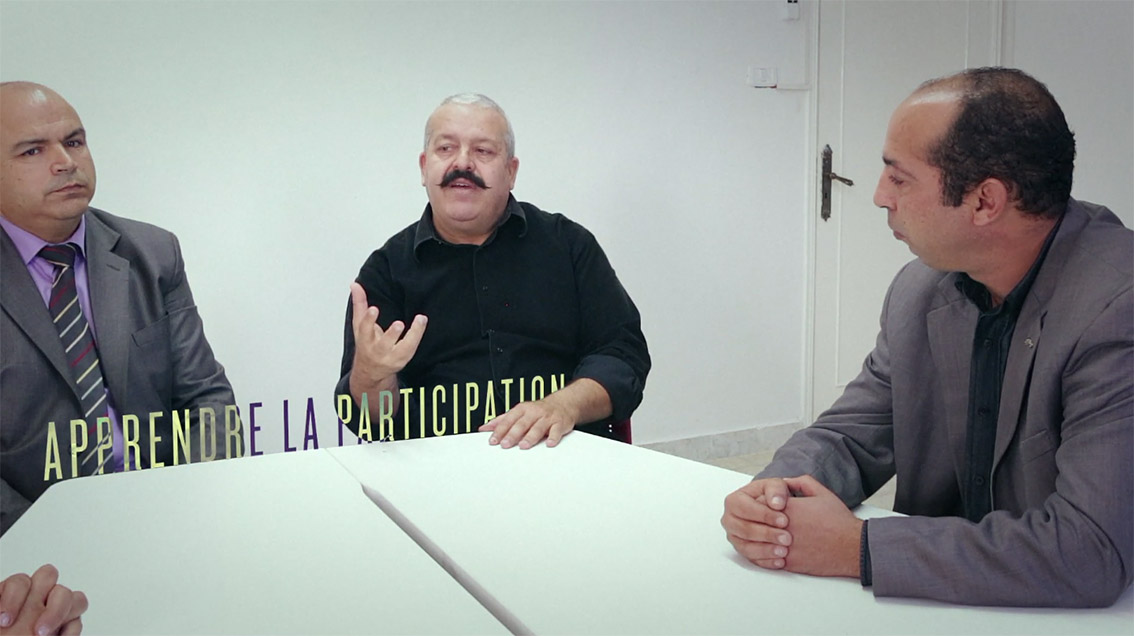
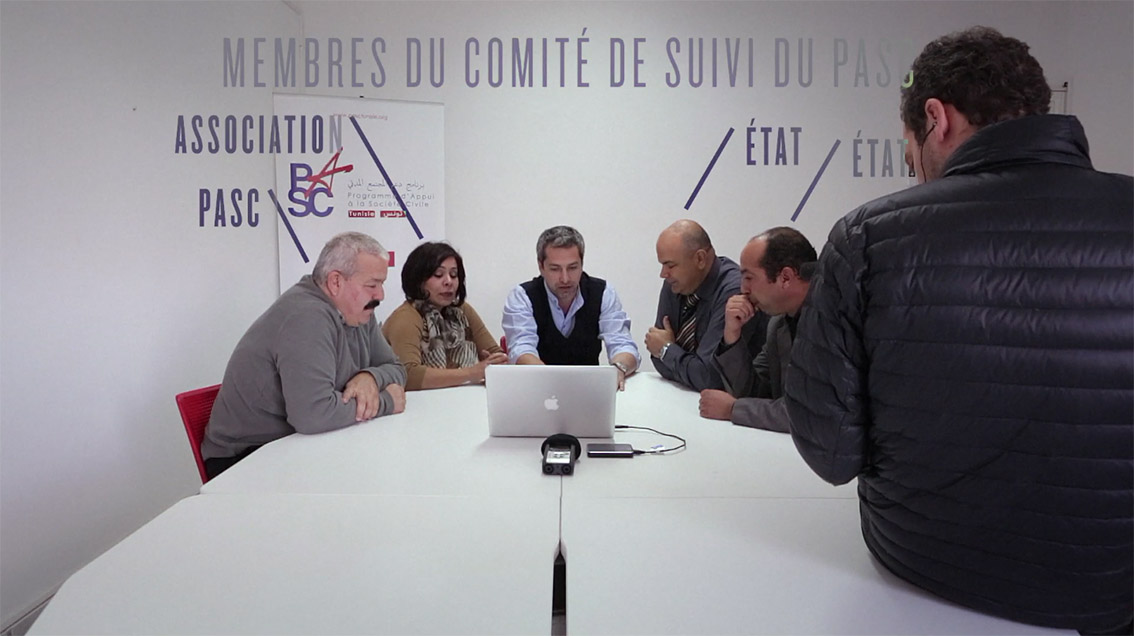
Back in Tunis, a work meeting of the programme’s Steering Committee is filmed to demonstrate the capacity of the central level to react to concerns captured in the regions by the mission, as per an "evaluative" logic, also staging dialogue as a key element of the PASC.
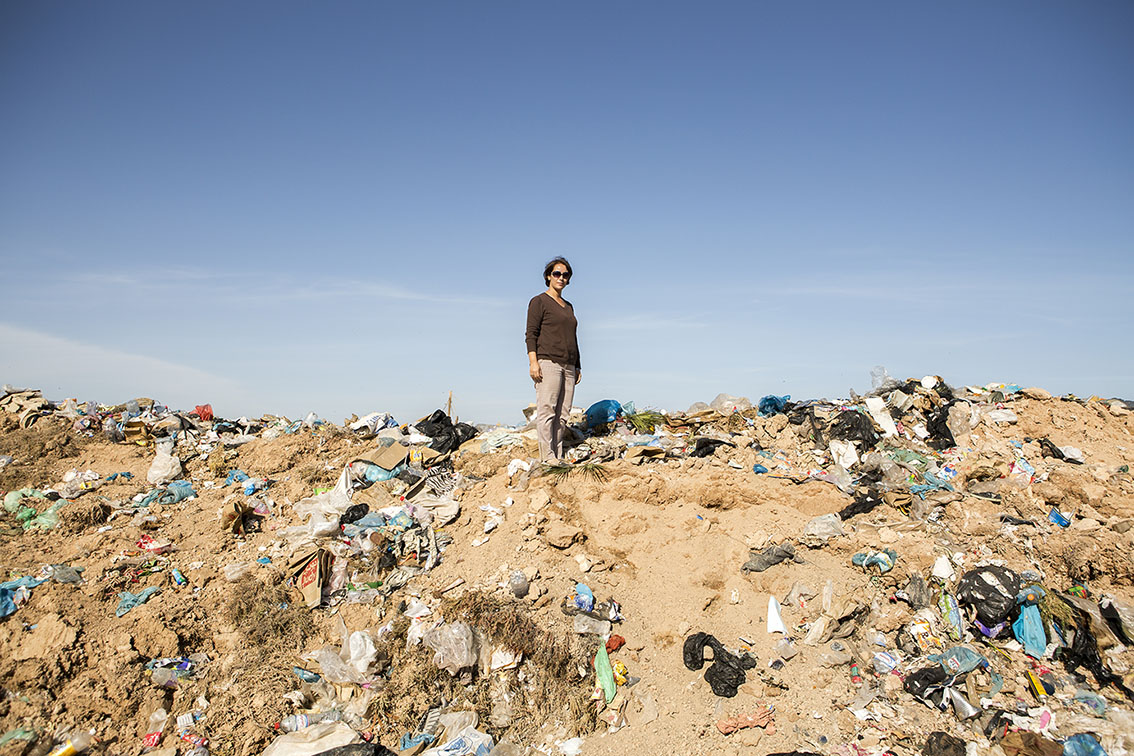
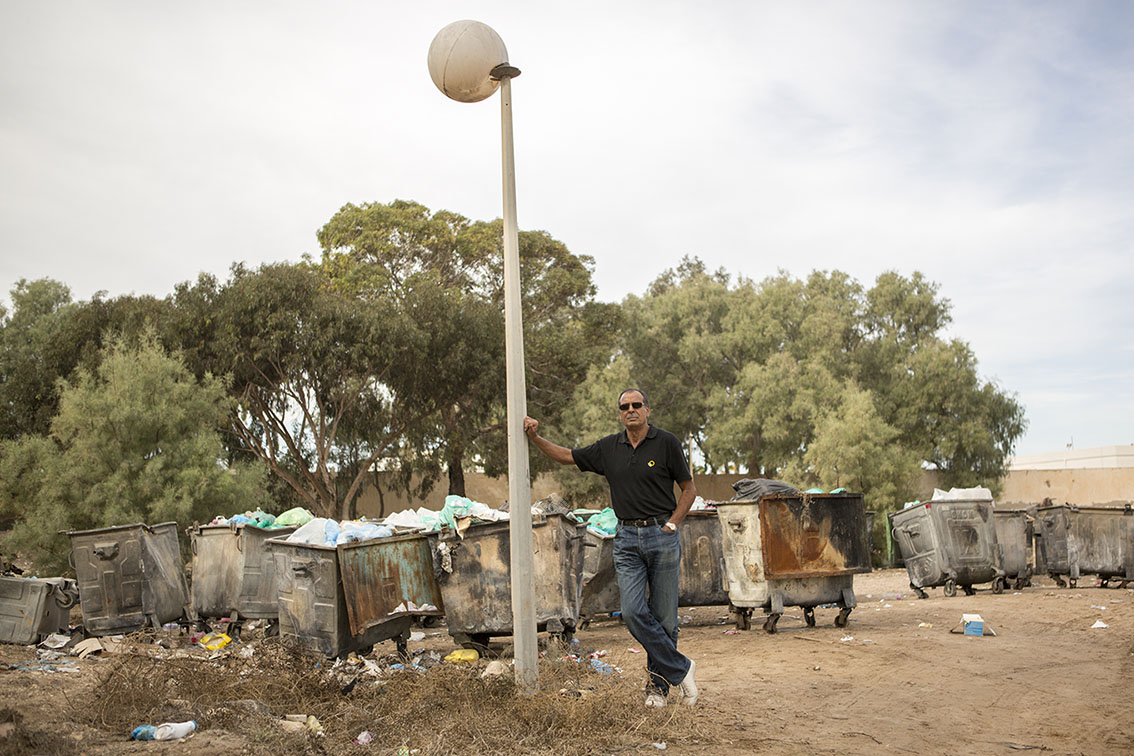
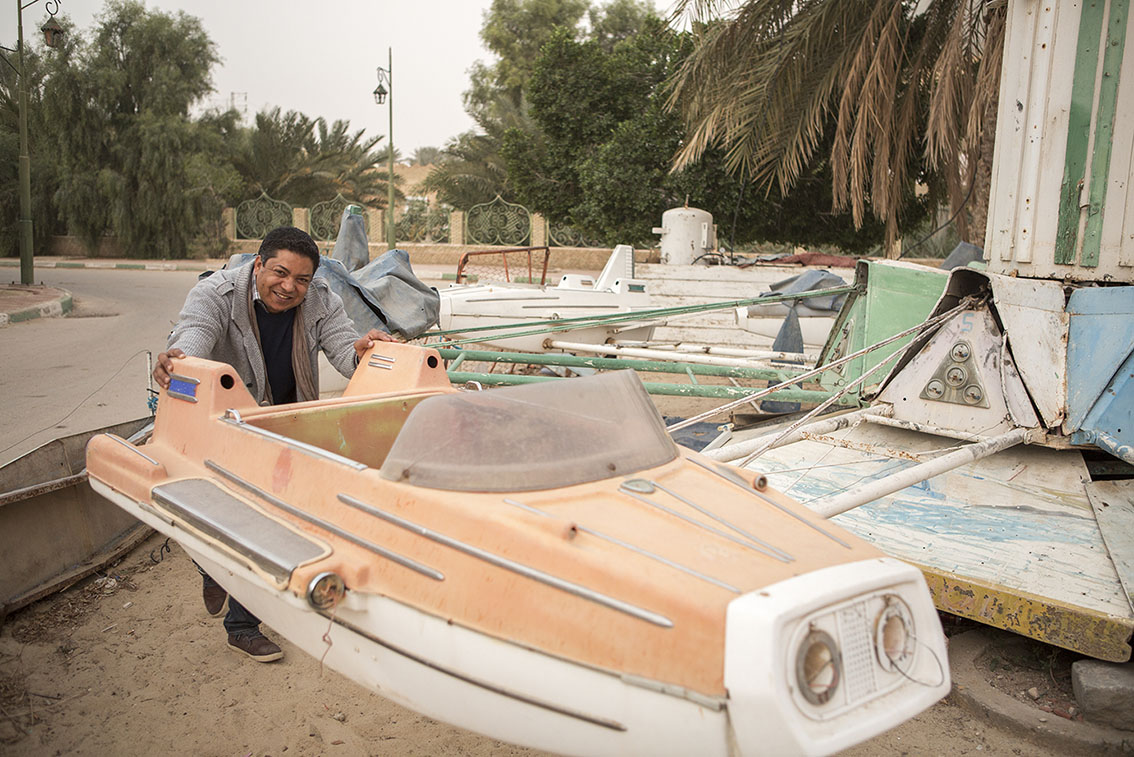
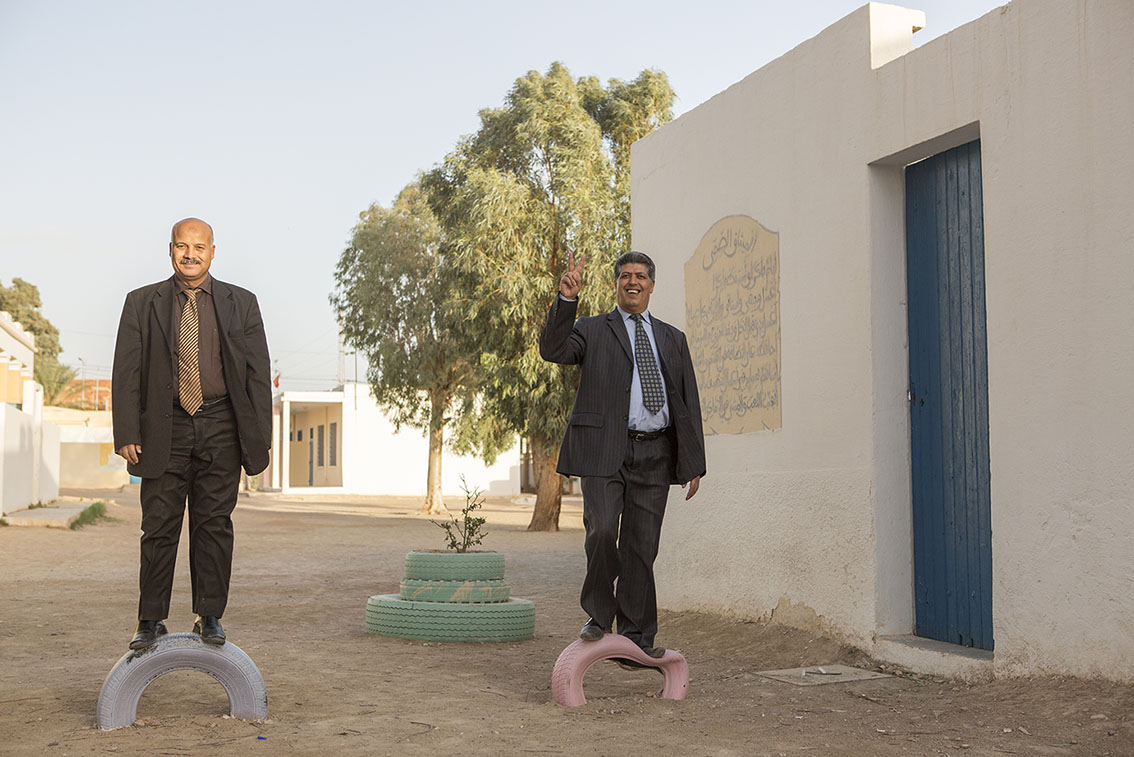
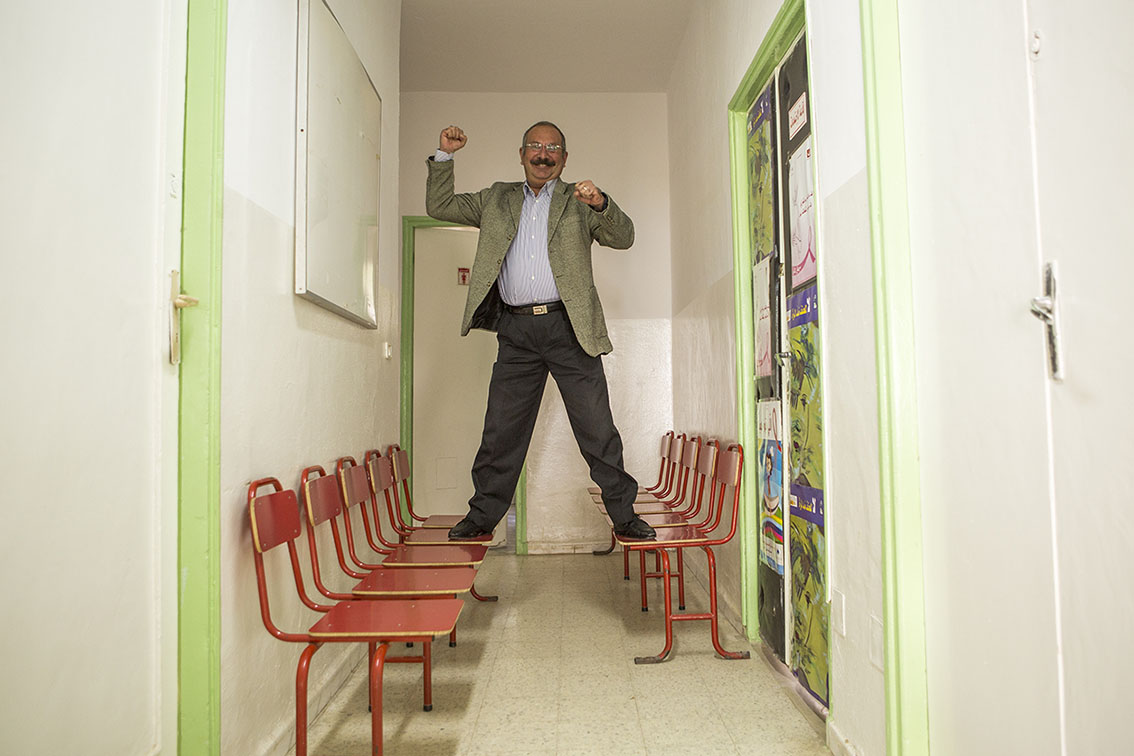
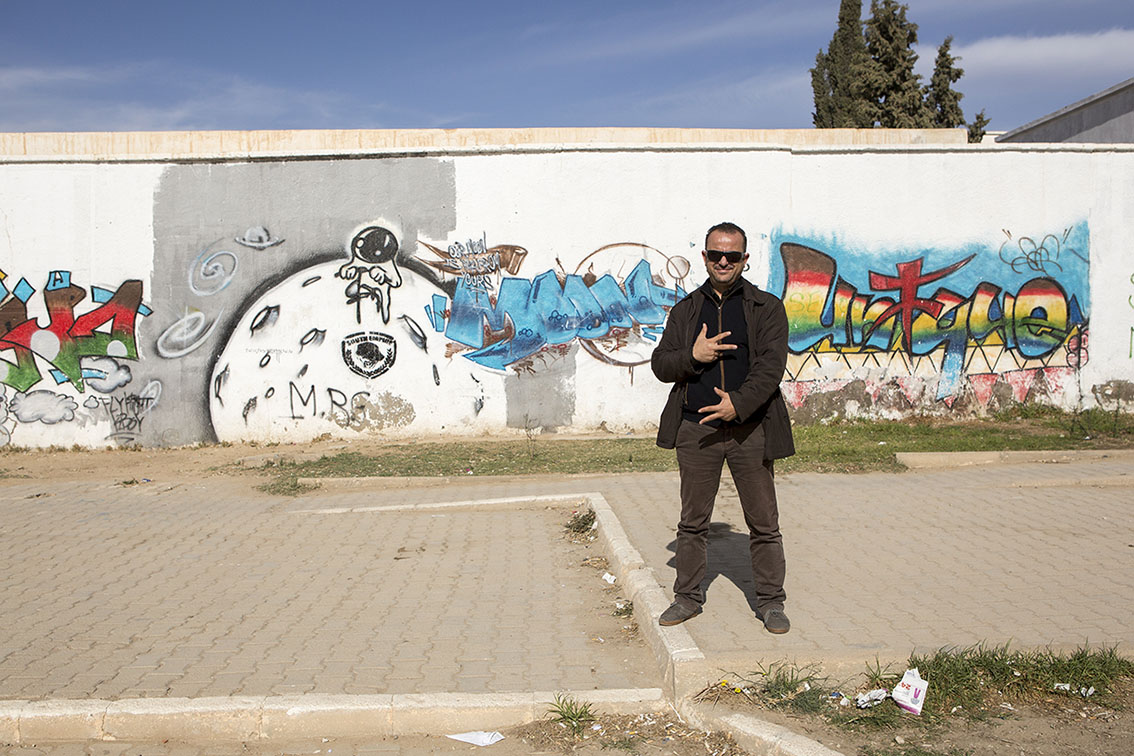
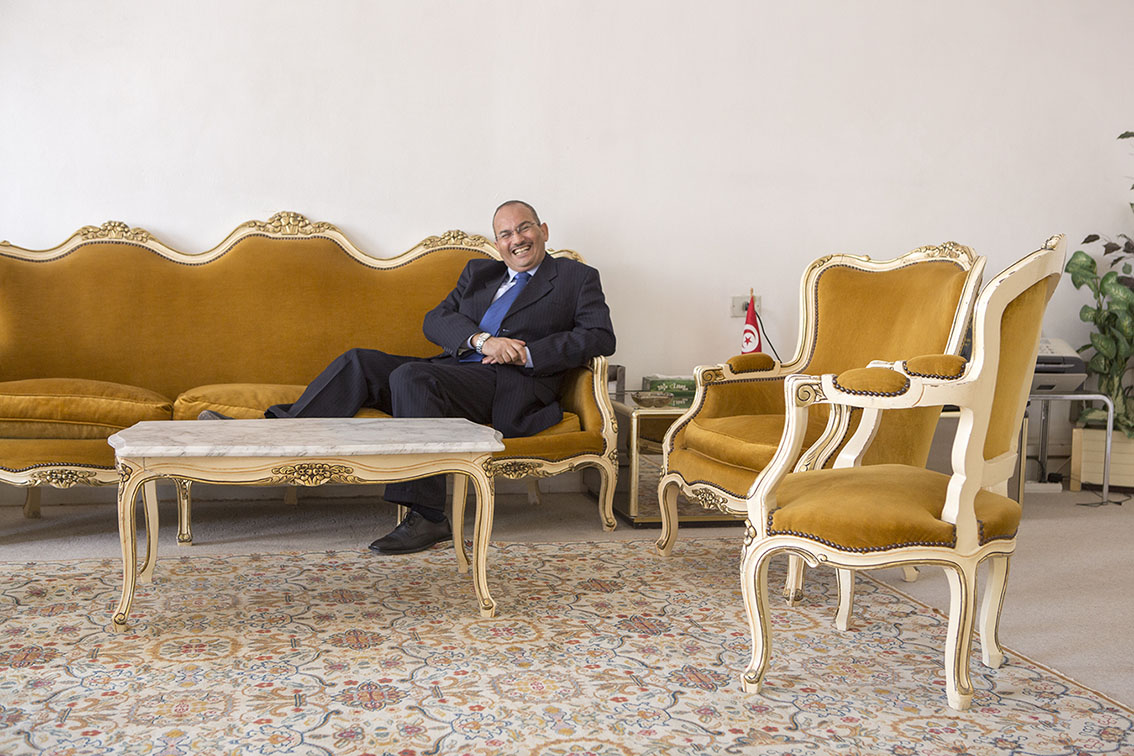
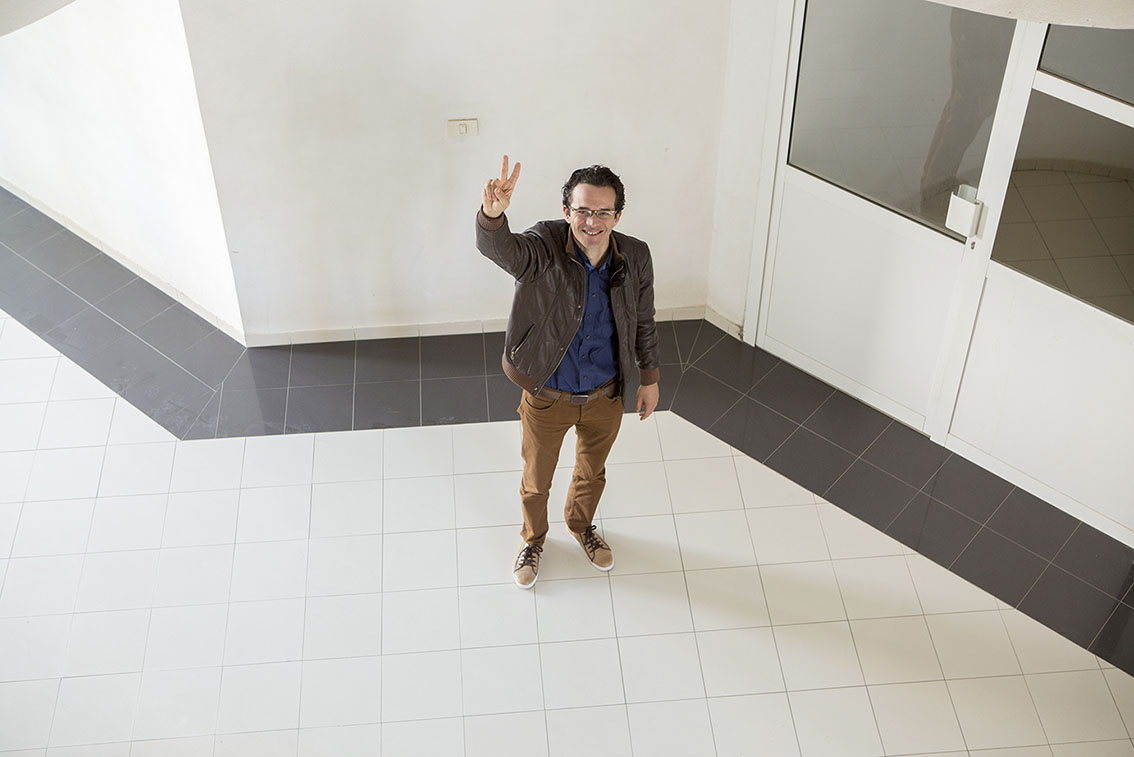
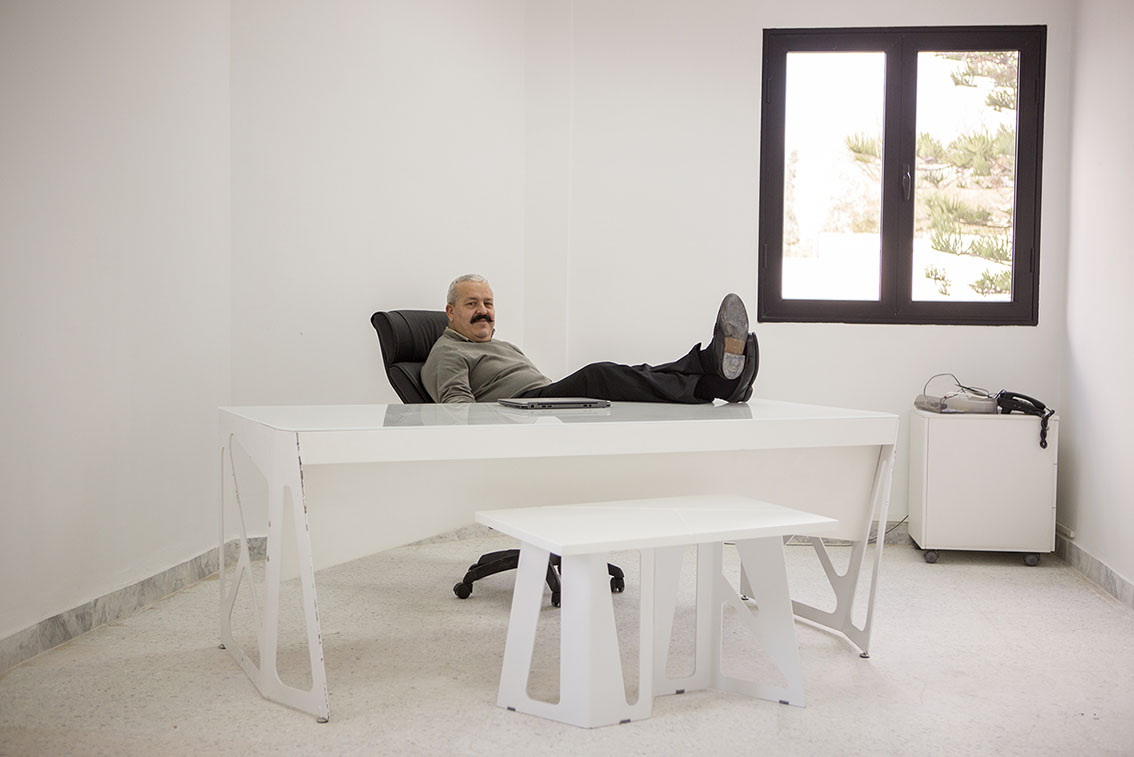
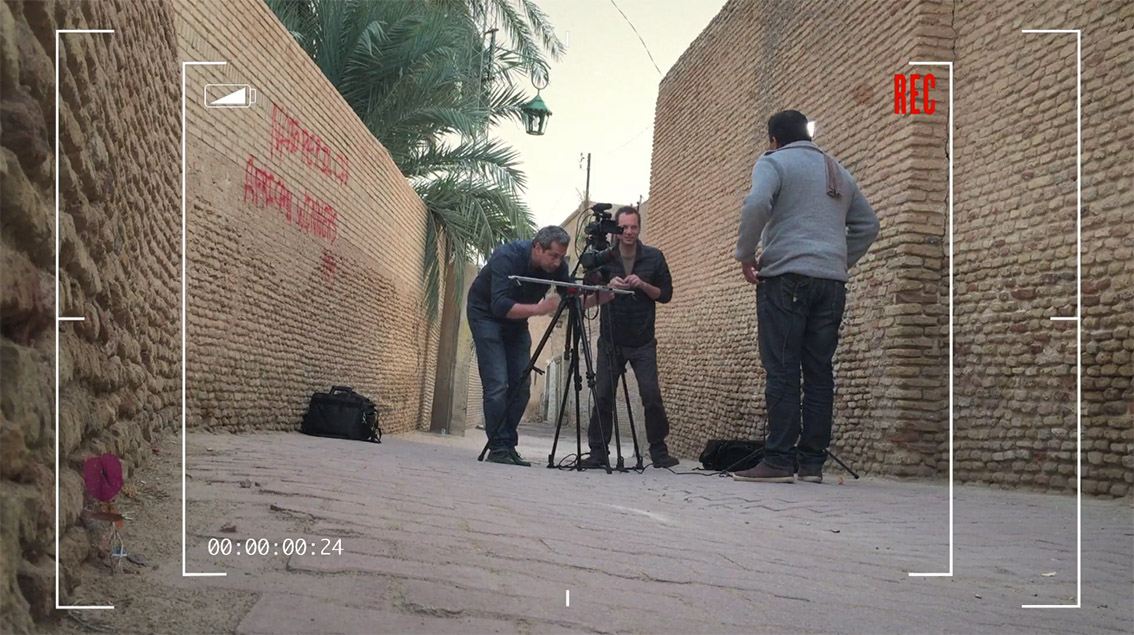
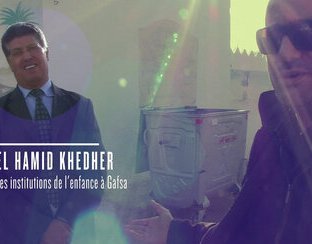
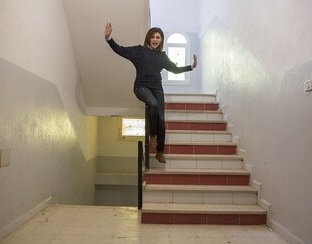
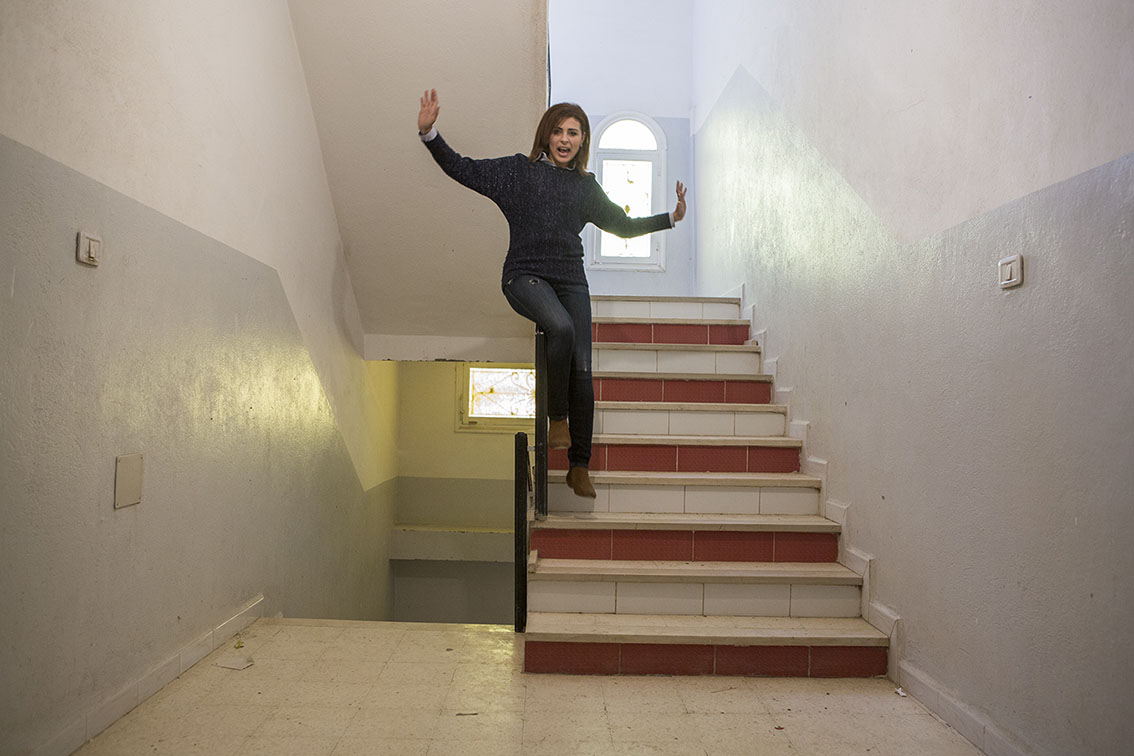
Besides, the film crew made use of some visual tricks to stress its understanding of the technical, logistics and timing constraints inherent to this exercice, and as a statement in favor of the added value of such an original approach to project evaluation. For instance, the filmmakers and the filming mechanism appear on screen as "making of" for transparency purpose. Also, the staged photo portraits used to edit the credits at the end of the film were purposely shot after to demonstrate with a smile that filmmakers are fully aware of their potential influence on capturing messages.
Also, the informal and light tone chosen for promoting the video narrative helps reflect one of the key positive outcomes of this video evaluation: using audiovisual materials during interviews appeared to be asource of motivation for the project beneficiaries and stakeholders to contribute to this exercice. Their active involvement should help achieve the general capitalisation and knowledge sharing objectives of this project.