"Home")



 "Afro food... for thought : Senegal")
 "Afro food... for thought : South Africa")
What are the characteristics of the Senegalese middle class and how can their dietary habits be understood ?
Unlike other so-called emerging African countries, where economic vitality rhymes with social and cultural transformation, the Senegalese middle class are already old and rose with the country’s independence. But its evolution seems frozen since the crisis in the 1990s.
Socio-anthropological analysis
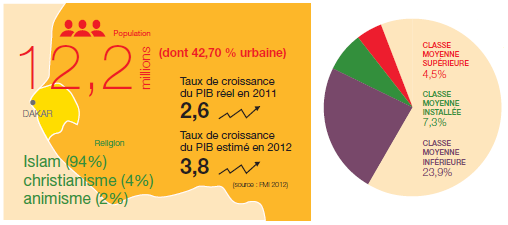
In Senegal, the established middle class represents 11,8% of the population. This established middle class is understood to be all households with a buying power of between 10 and 20 dollars per person per day. It is the upper layer of the middle class and is able to save as well as spend and consume superfluously. It is therefore, to a certain extent, sheltered from temporary fluctuations and the credit crunch.
This study has produced an overview of the current state of middle class dietary habits and identified its main trends. Particular attention was paid to the role of chidren in the evolution of middle class dietary habits.
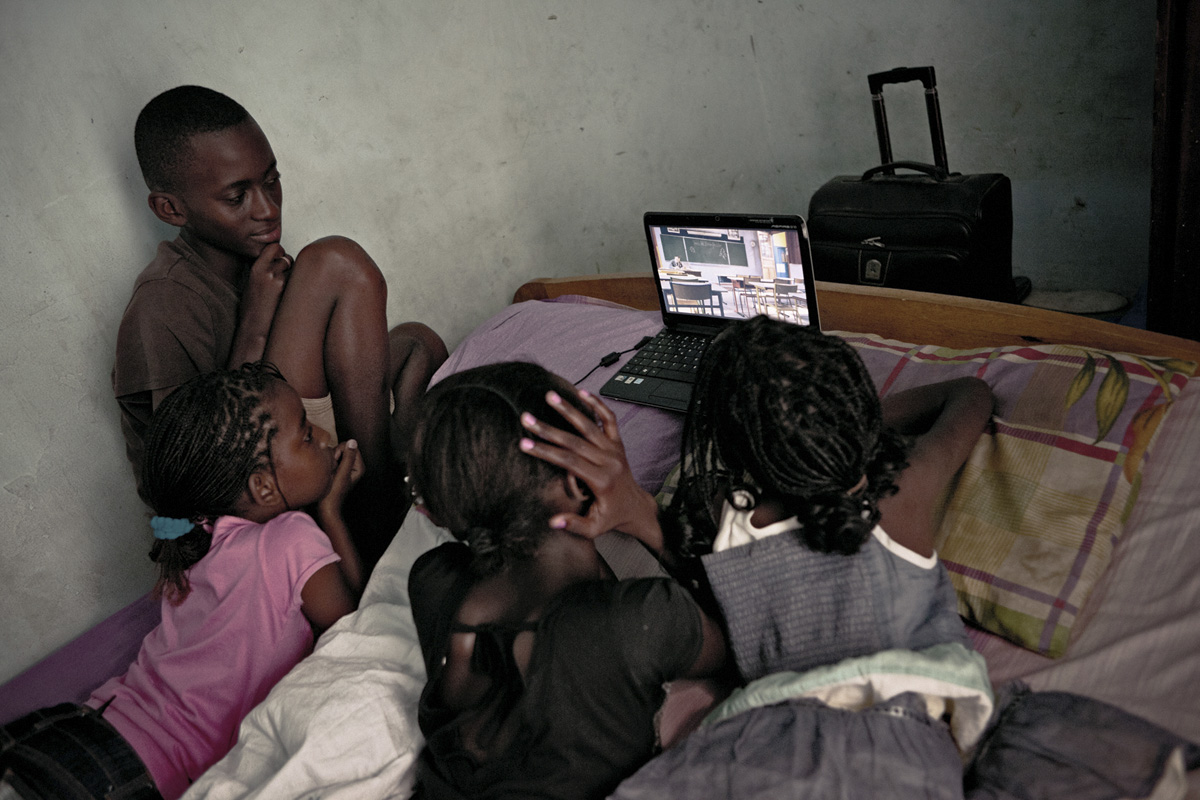
The centre of attention in the middle class home, the child holds the dual role of agent (parental values and portrayals of dietary habits are passed down to the child) and actor (the child is also a vector in the evolution of dietary habits by influencing parental decisions).
To this end, we worked to understand :
- The characteristics that constitute this emerging established middle class ;
- The mechanics of transmitting behaviour and values from adult to child, as well as influential sources (parents, the media, peers etc.) ;
- The supposed proportion of influence a child has on the choice of product bought by their parents ;
- Dietary habits and products consumed by children during each meal both inside and outside the home.
Methodology
Contacts targeted and methodology for collecting data :
- The recrutement of 30 adults according to pre-set criteria ;
- 16 semi-structured interviews, including two double interviews, in people’s homes ;
- Three educational events with 11 children :
- A 3-hour focus group with 5 participants ;
- A week of participating observation during children’s play and lunchtime ;
- Interviews with shopkeepers and accounts from teachers.
Observation and interviews in the main buying centres :
- CASTOR market ;
- SANDAGA market;
- KERMEL market;
- SAHR CASINO;
- SEAPLAZA CASINO ;
- DAKAR CITY CASINO ;
- KING CASH or LEADER PRICE.
The contents of the reprort can be read on line here.
The photography project
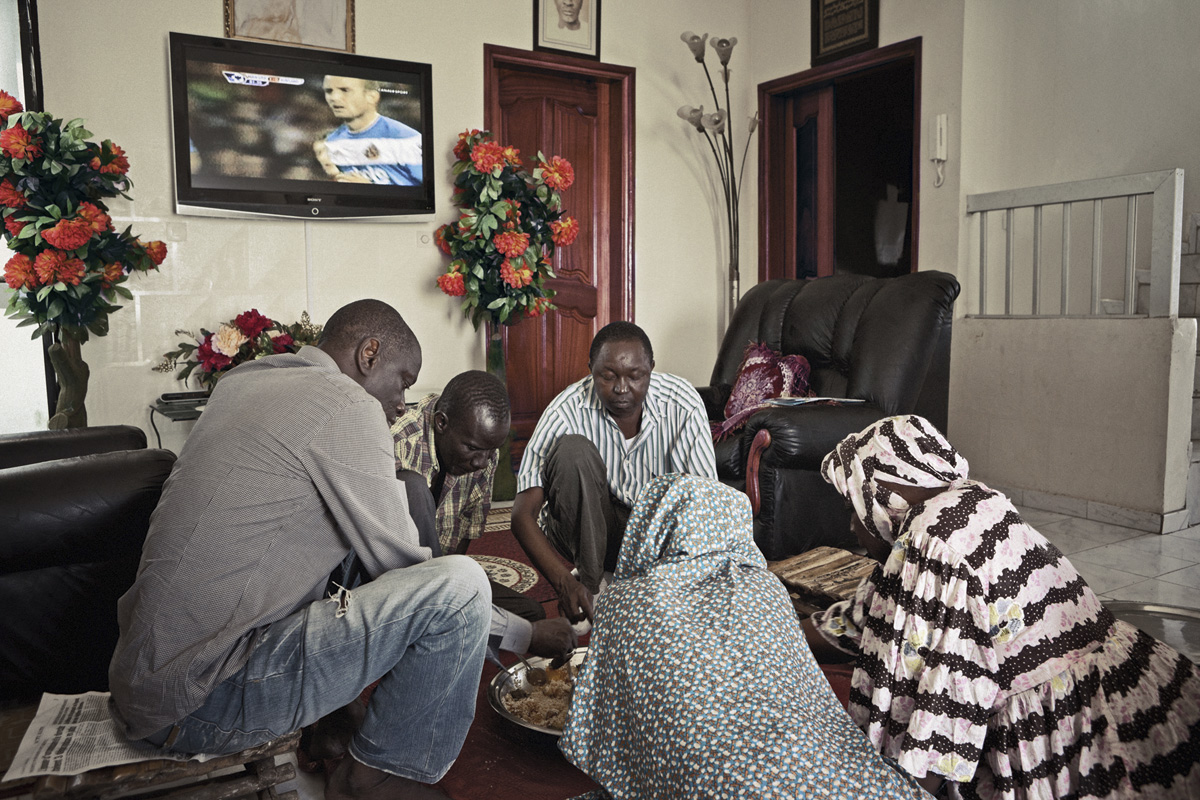
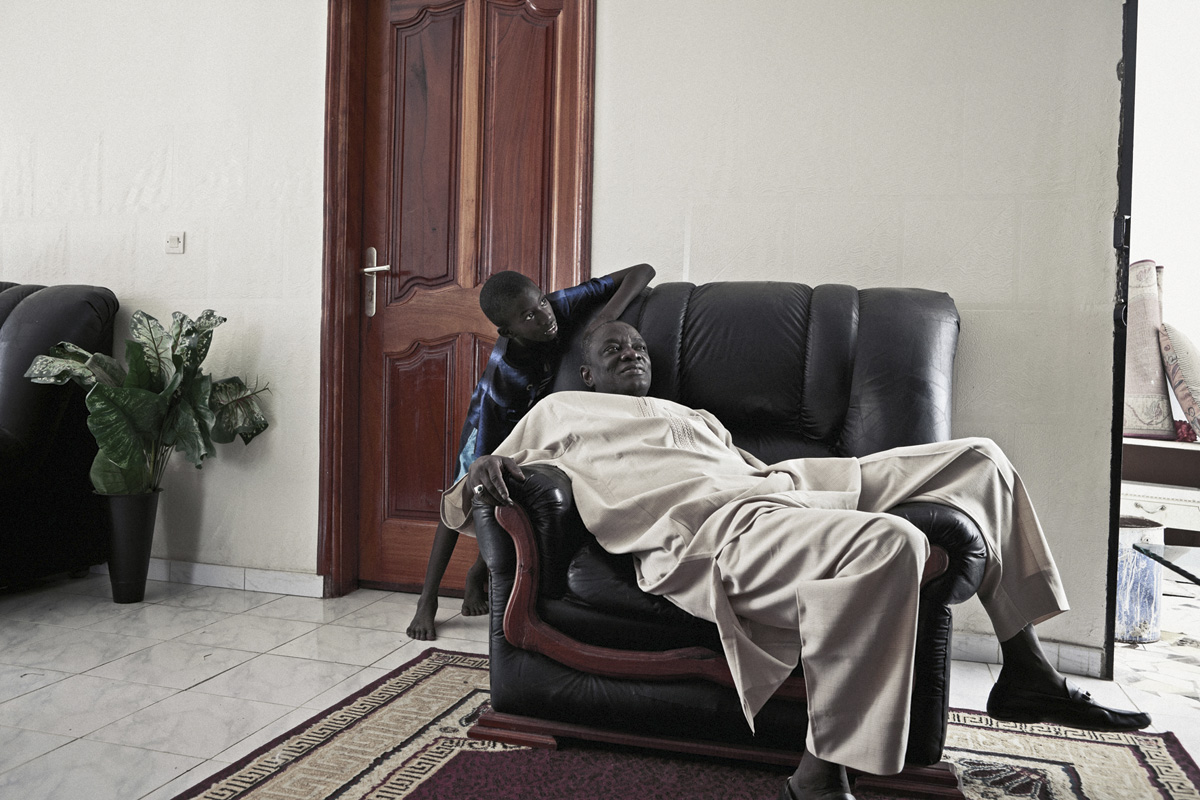
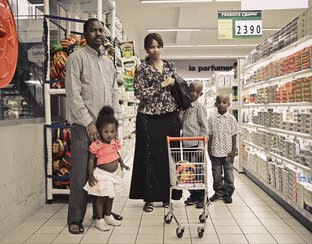
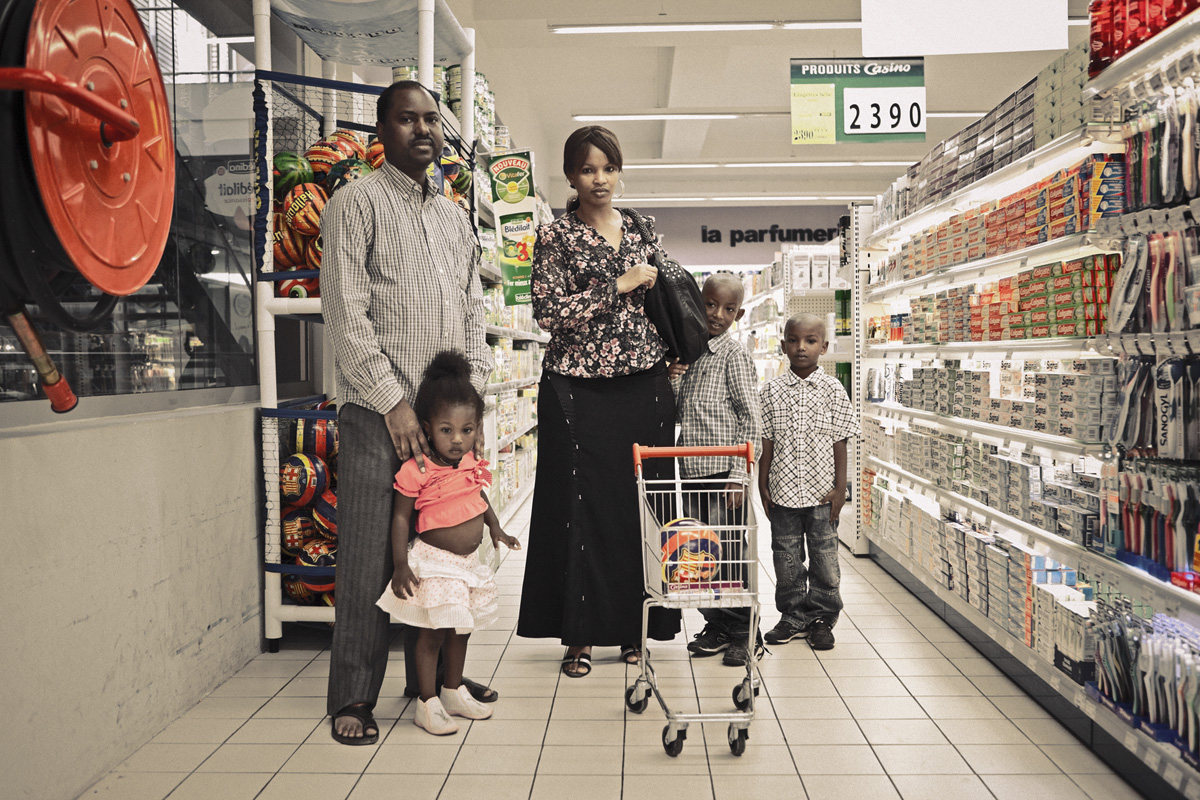
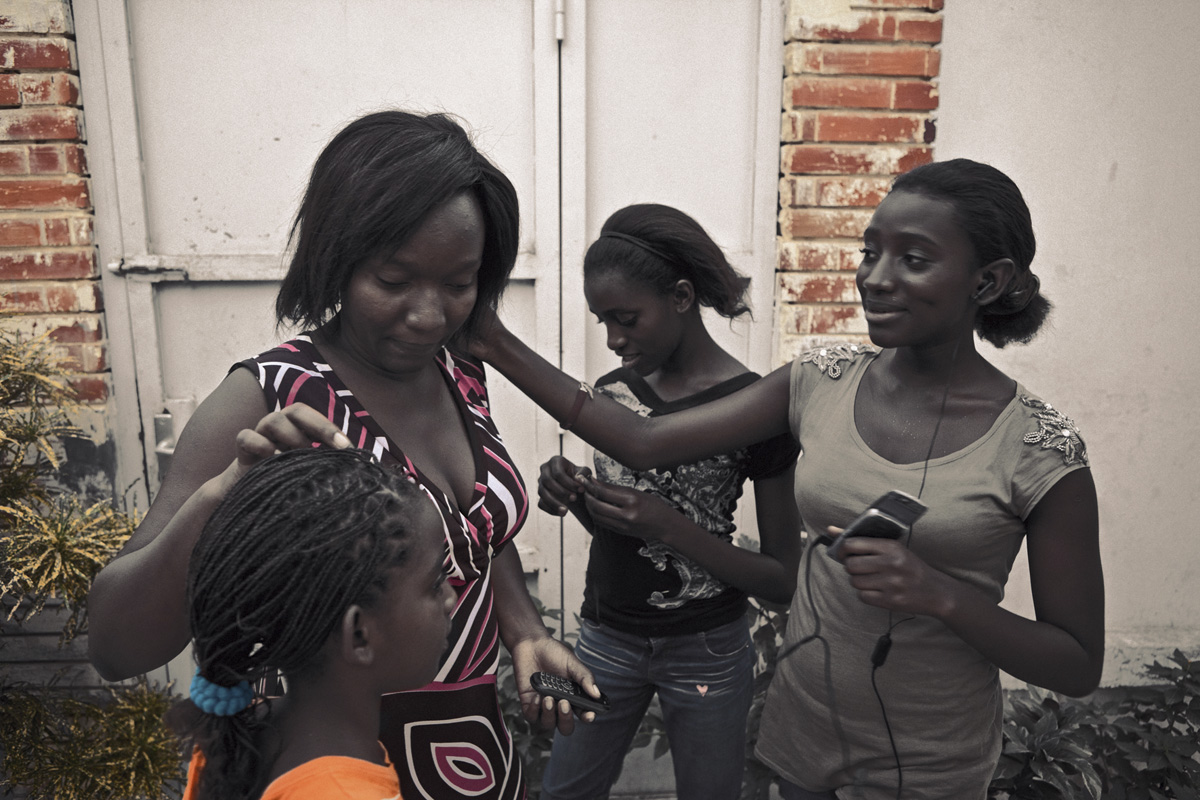
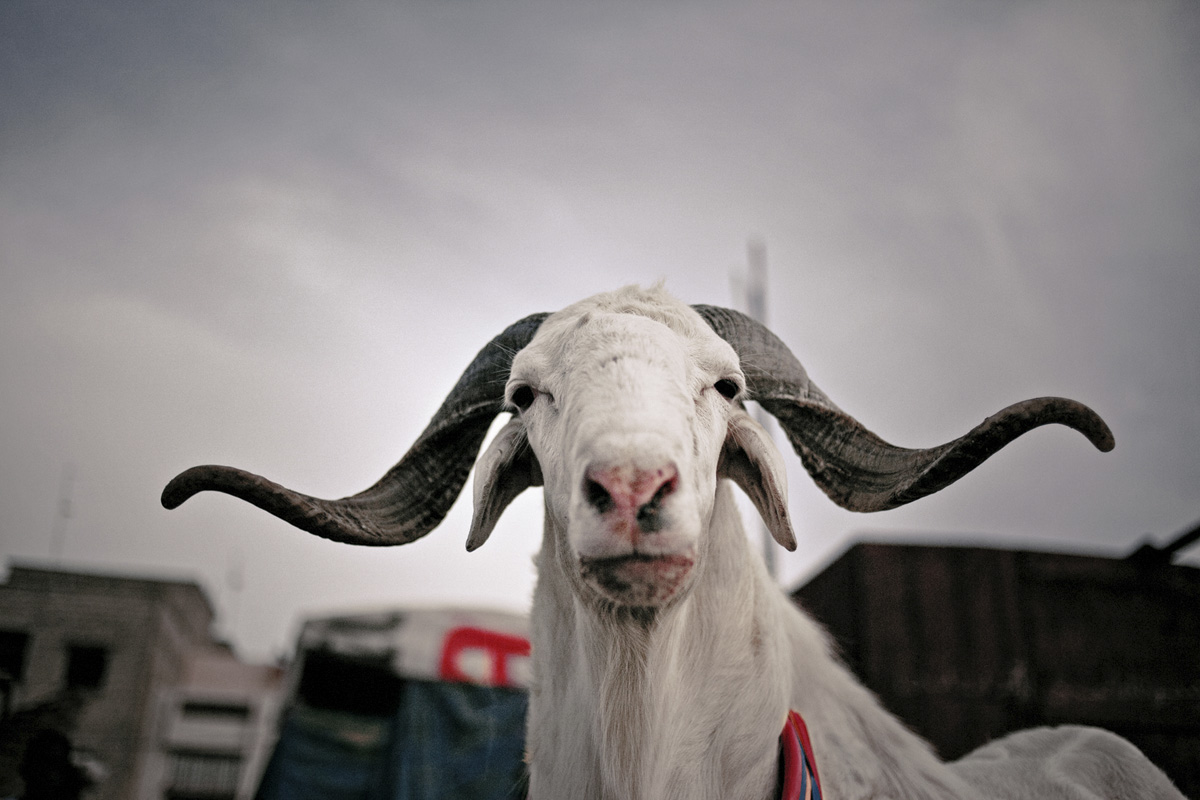
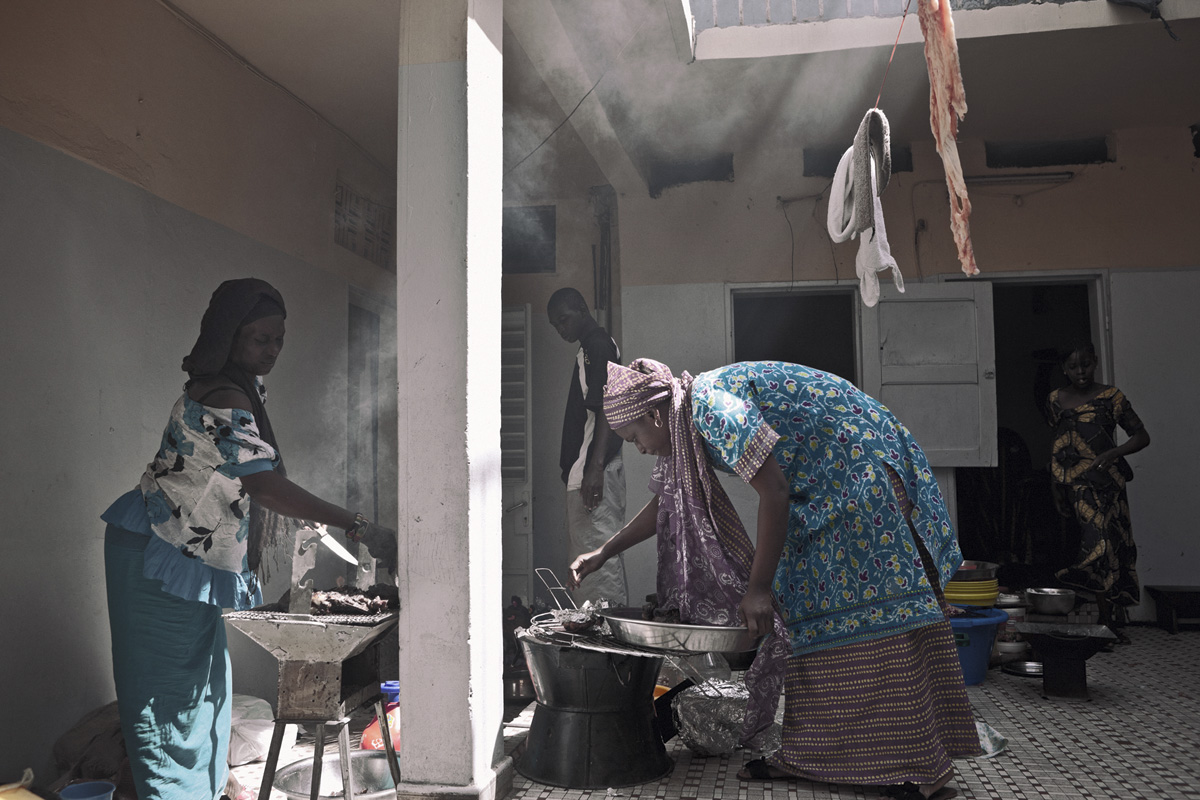
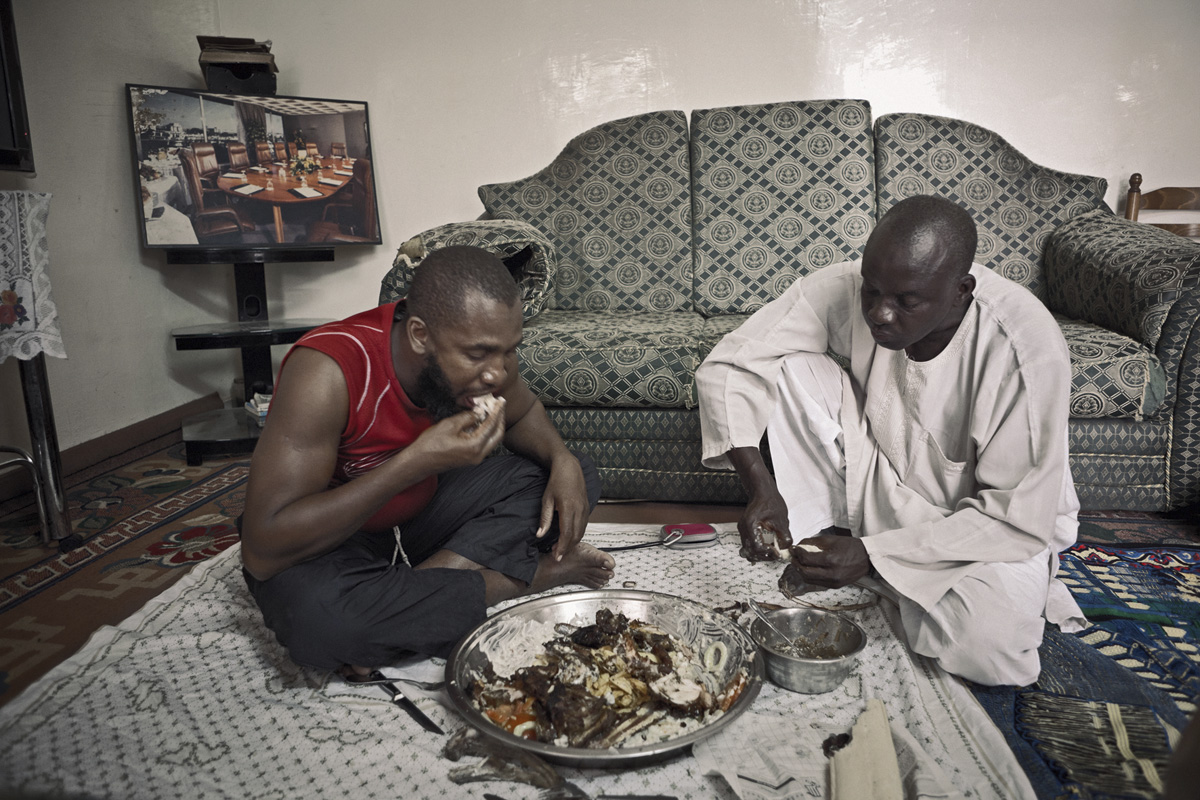
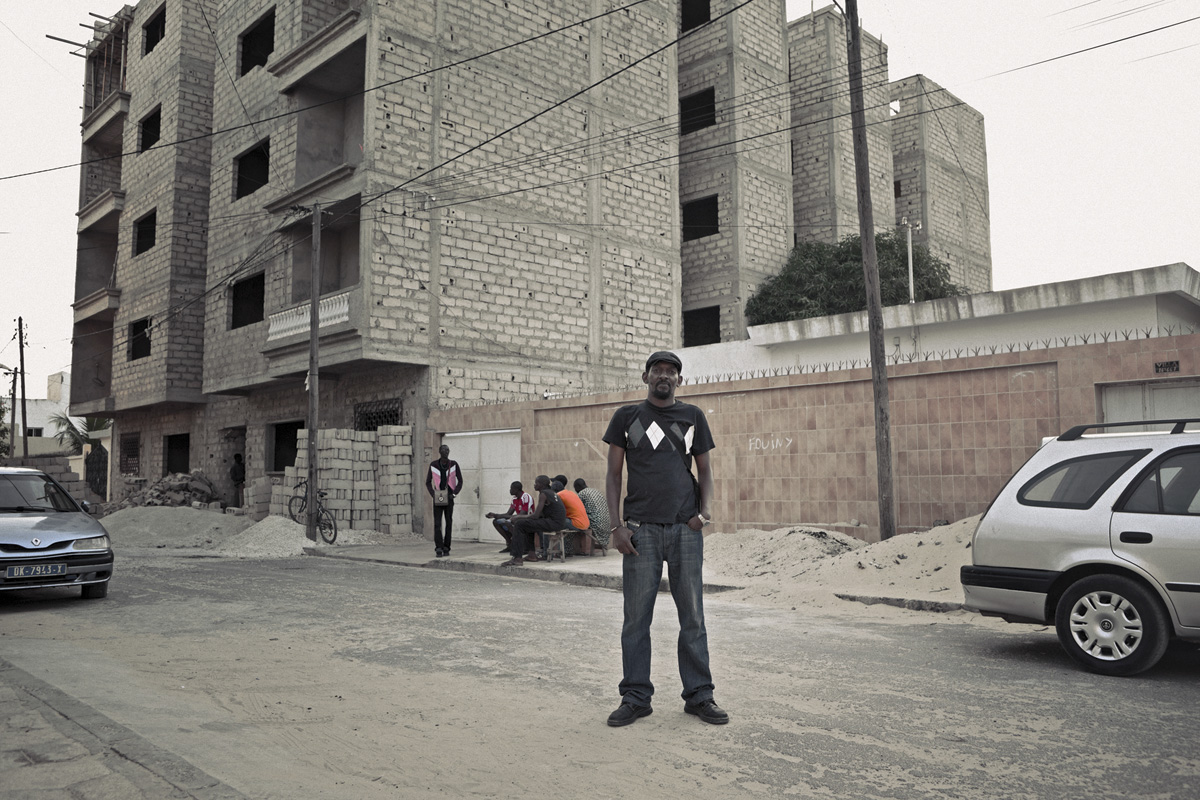
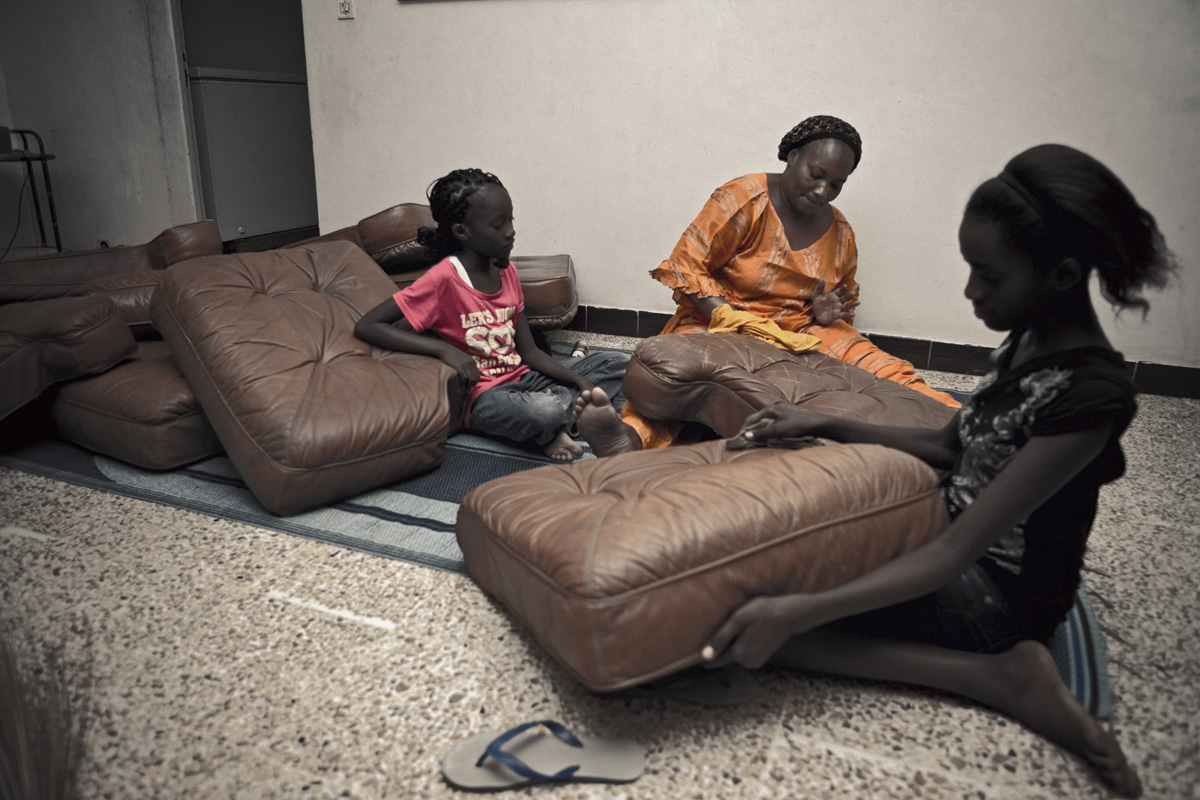
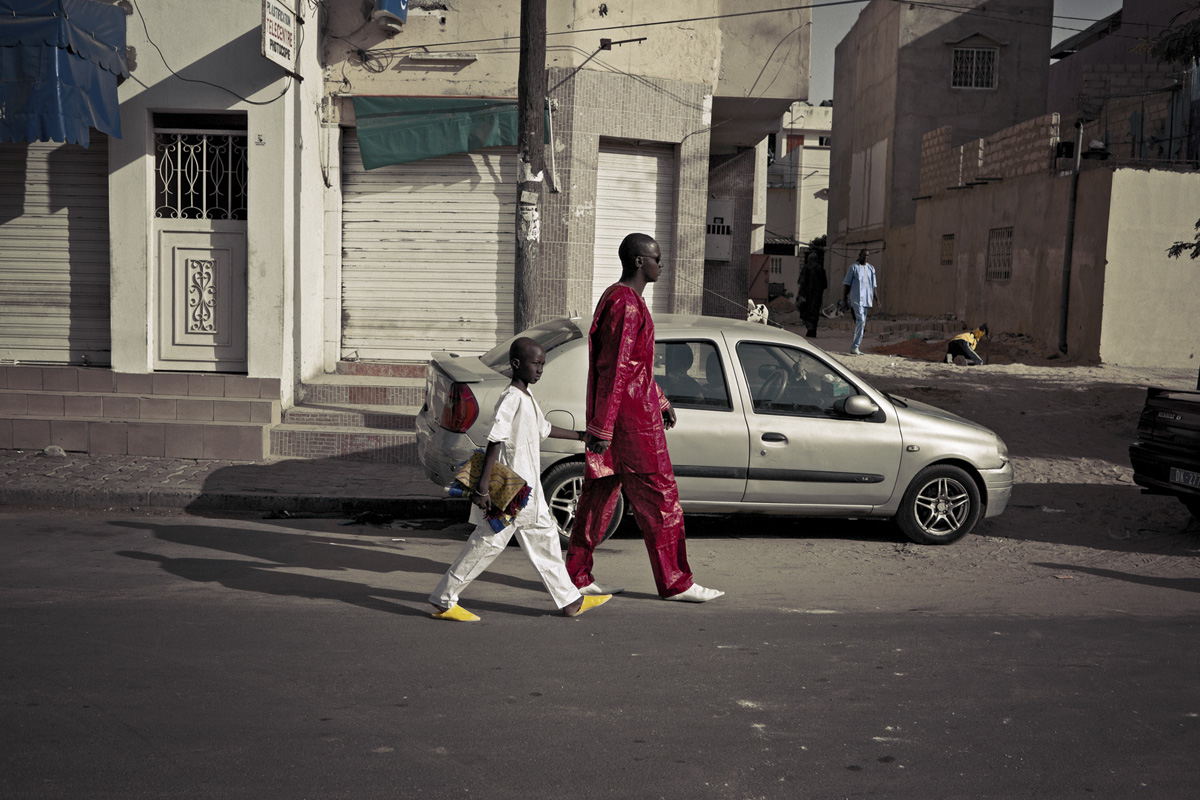
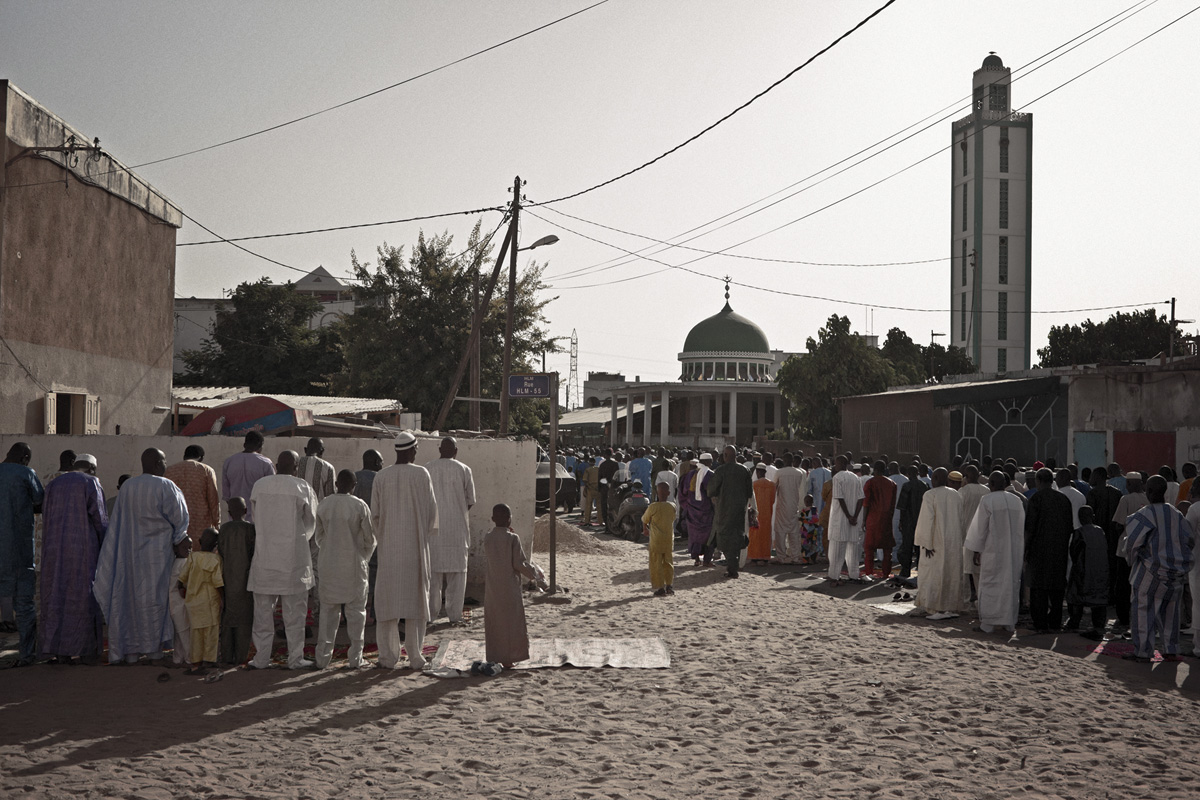
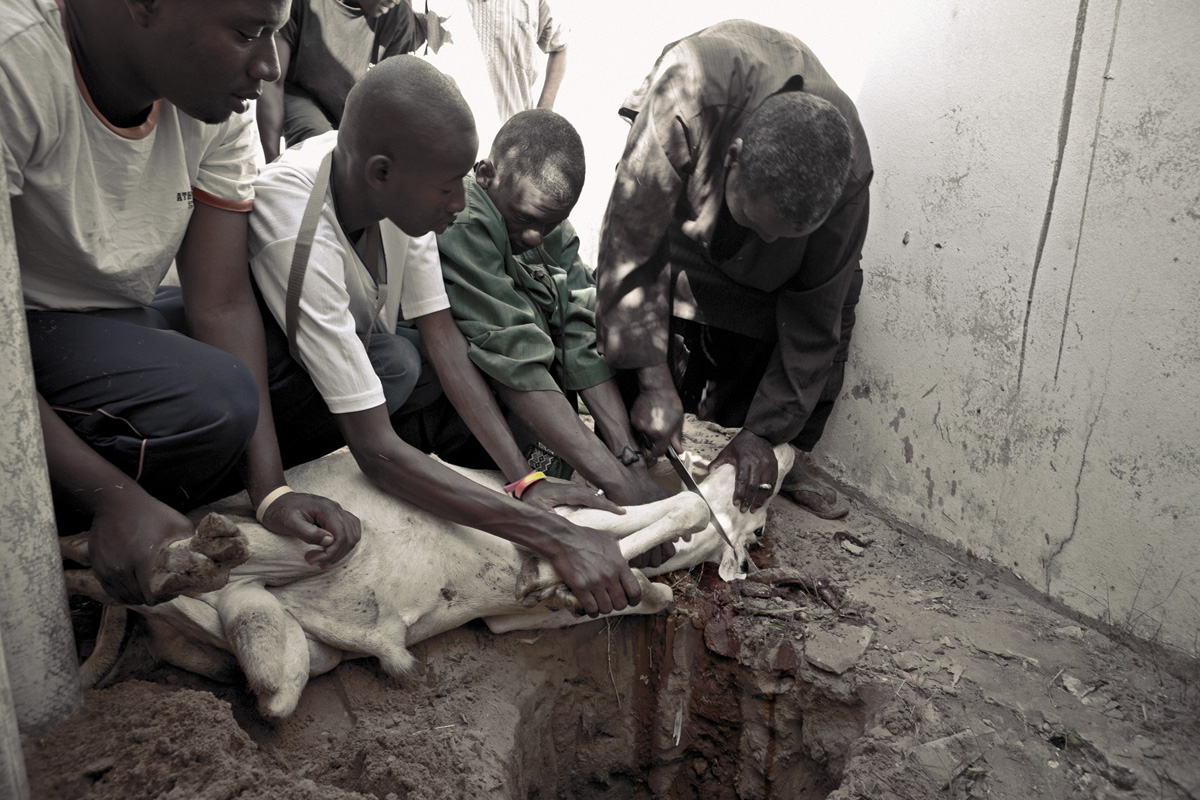
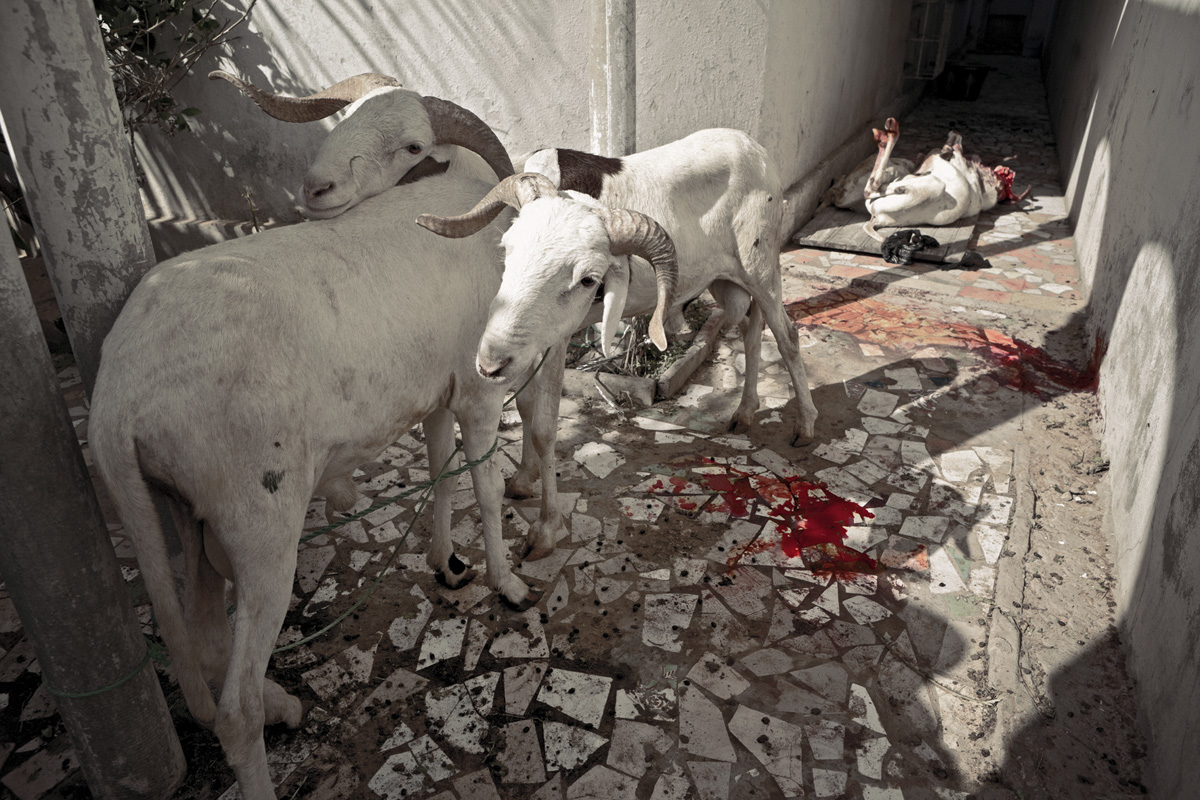
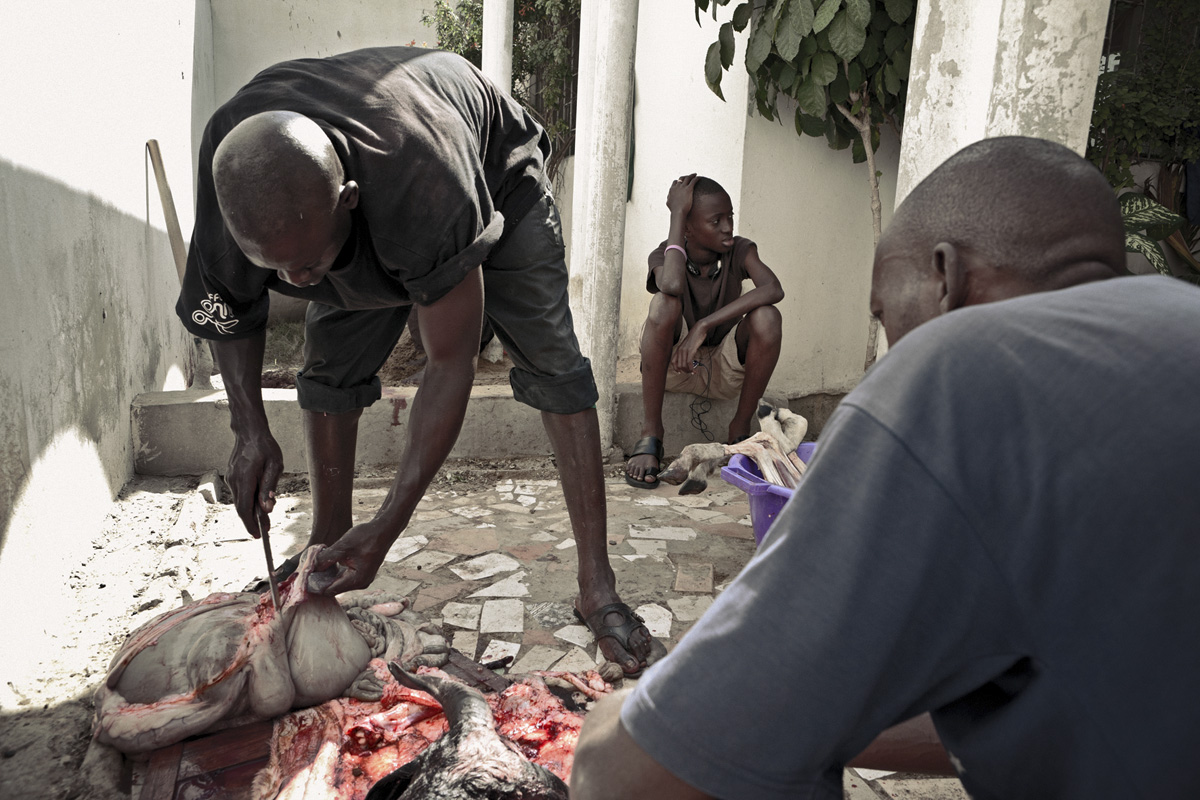
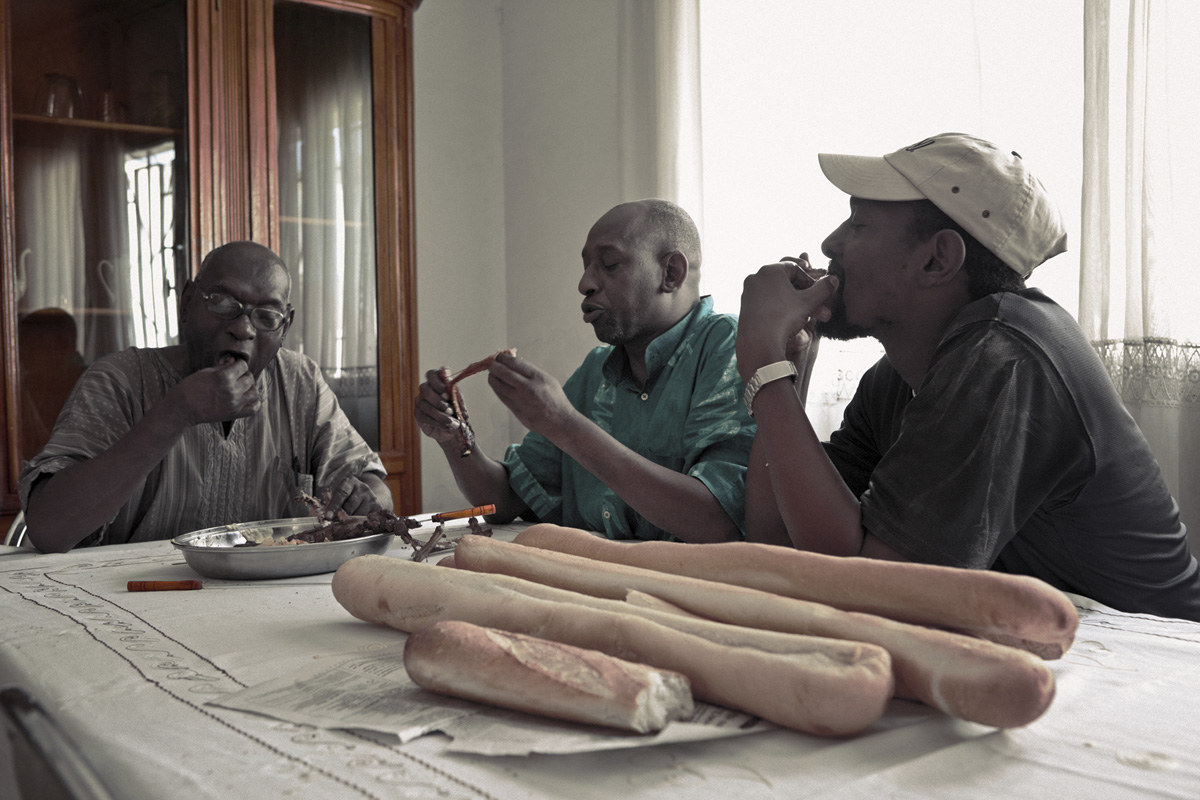
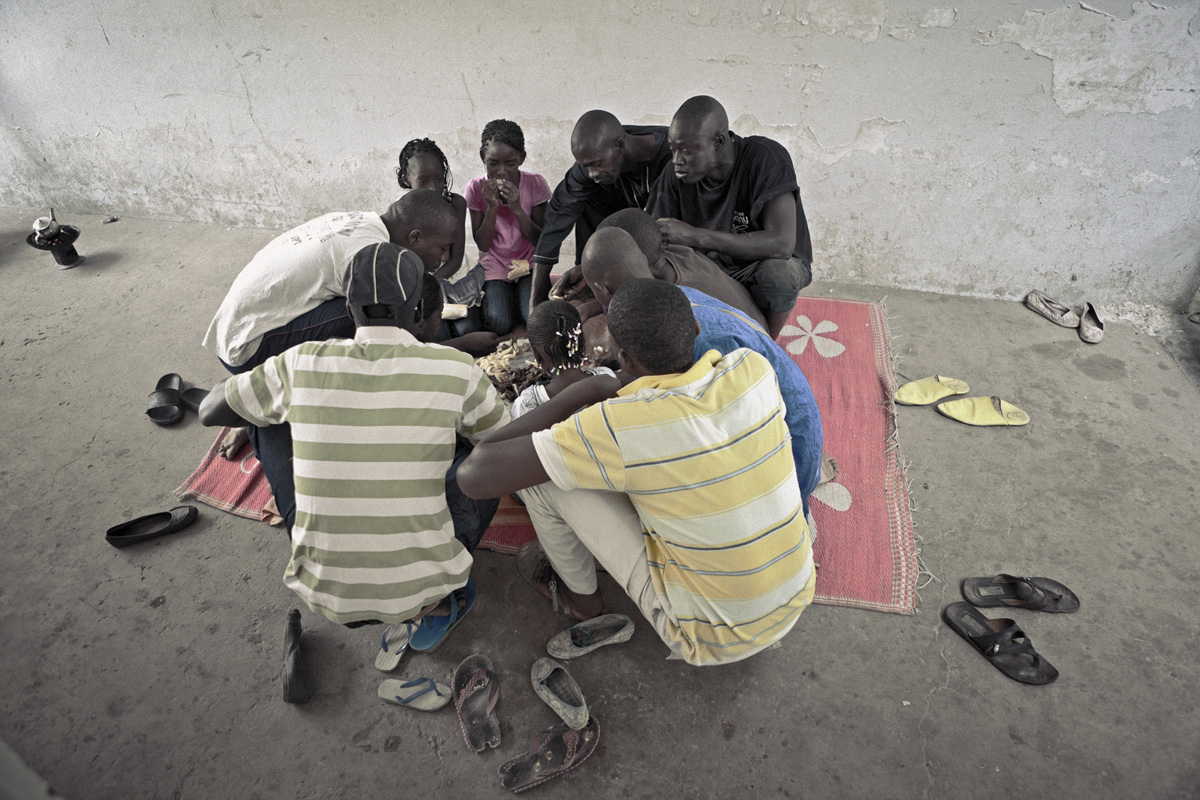
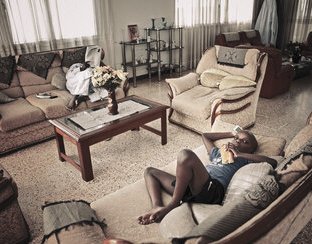
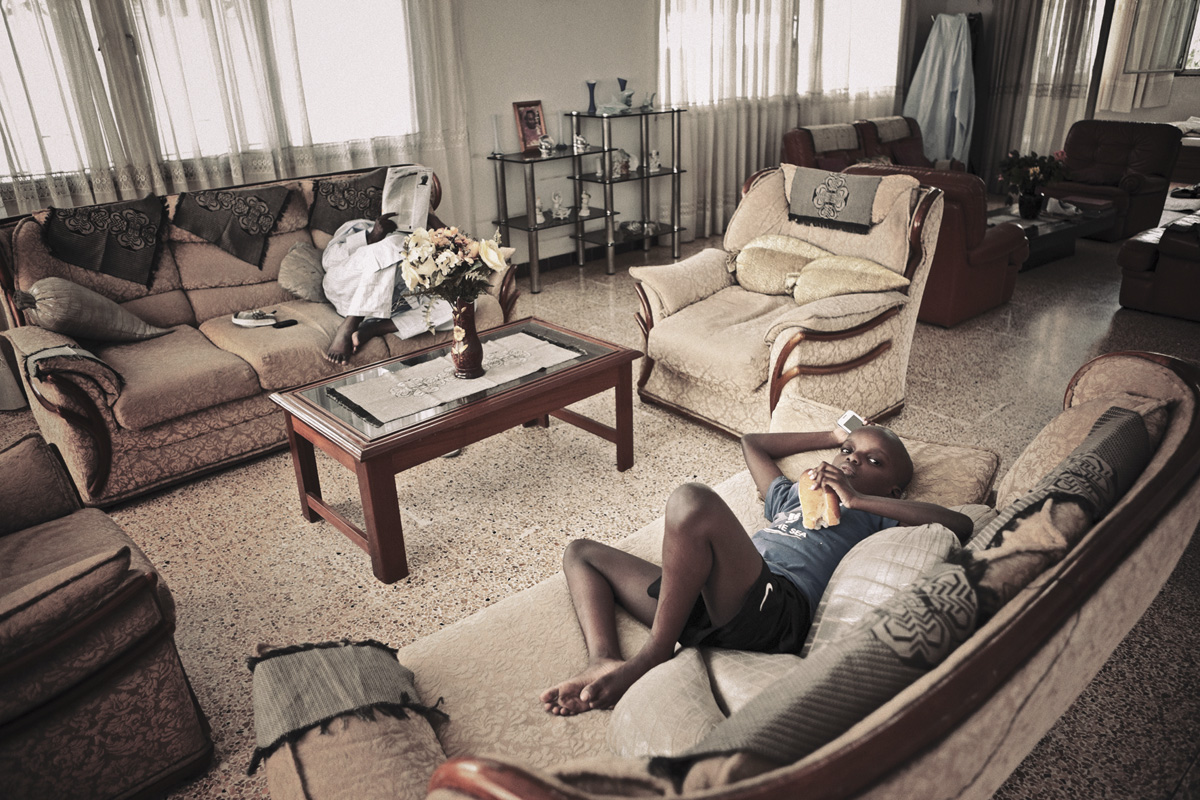
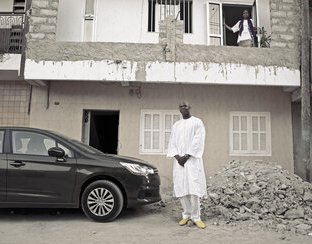
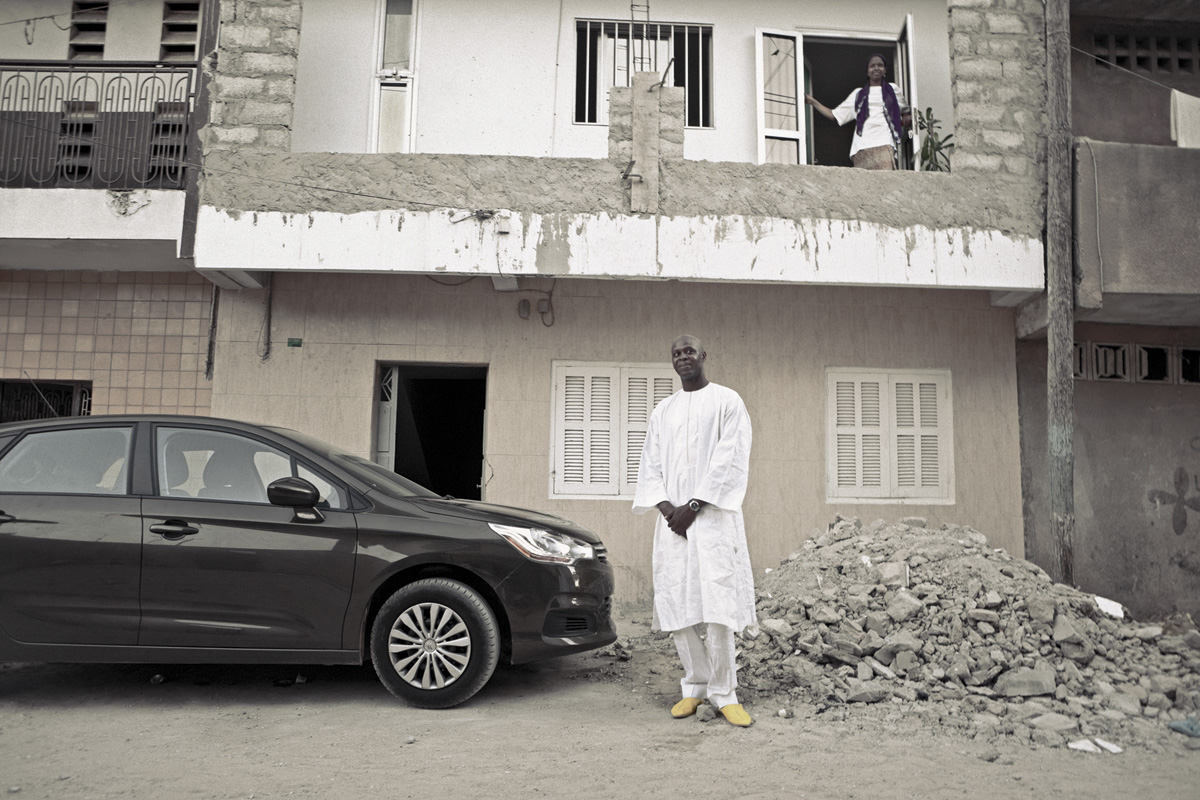
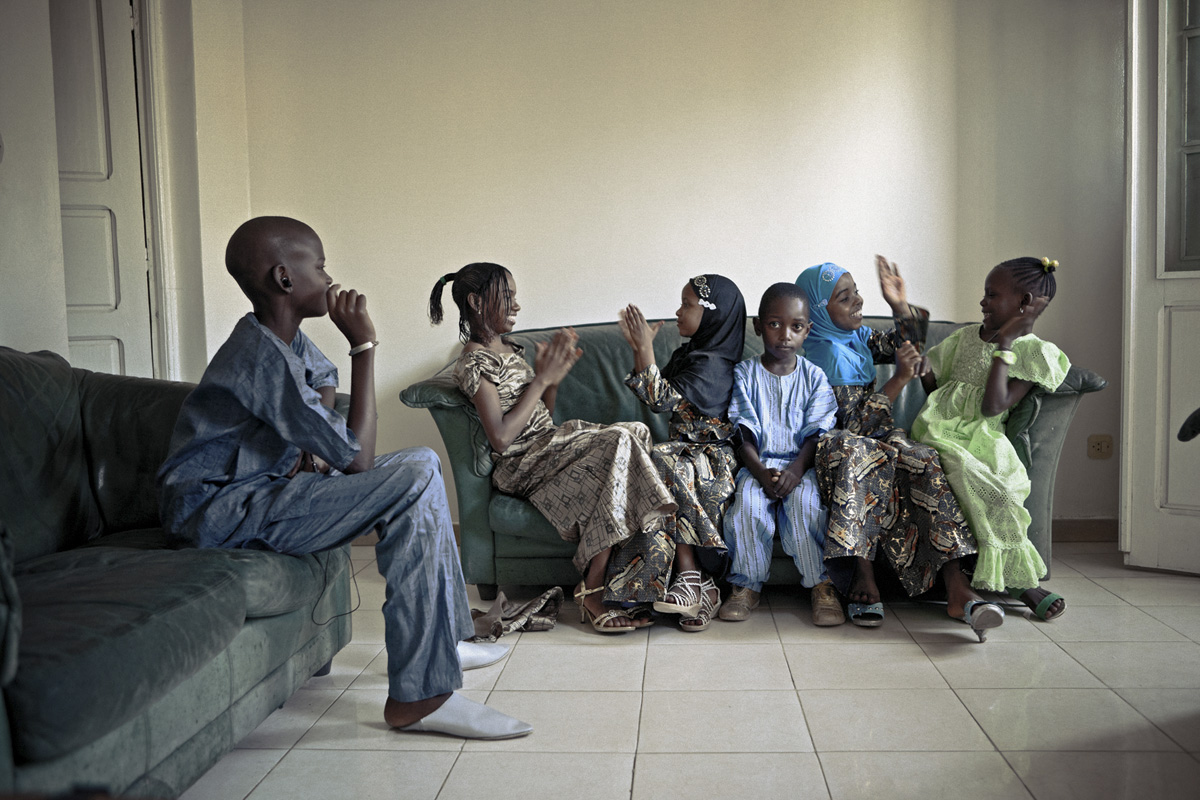
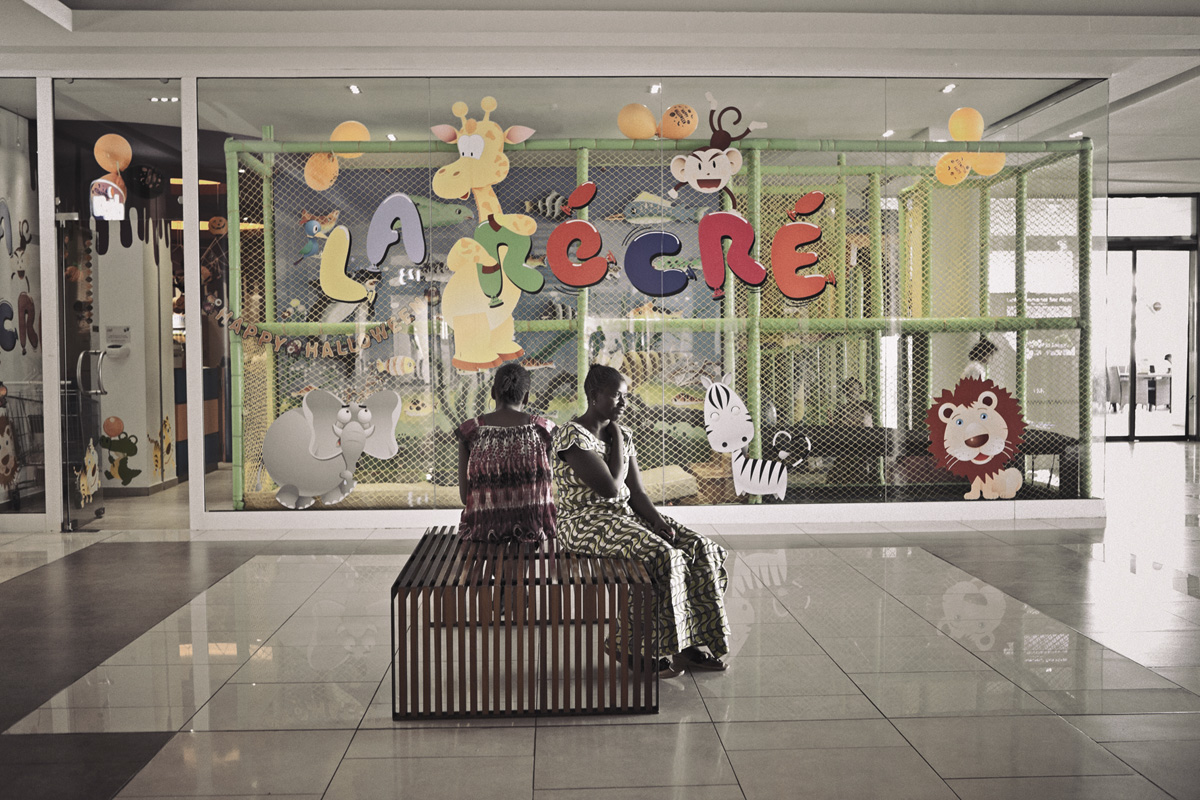
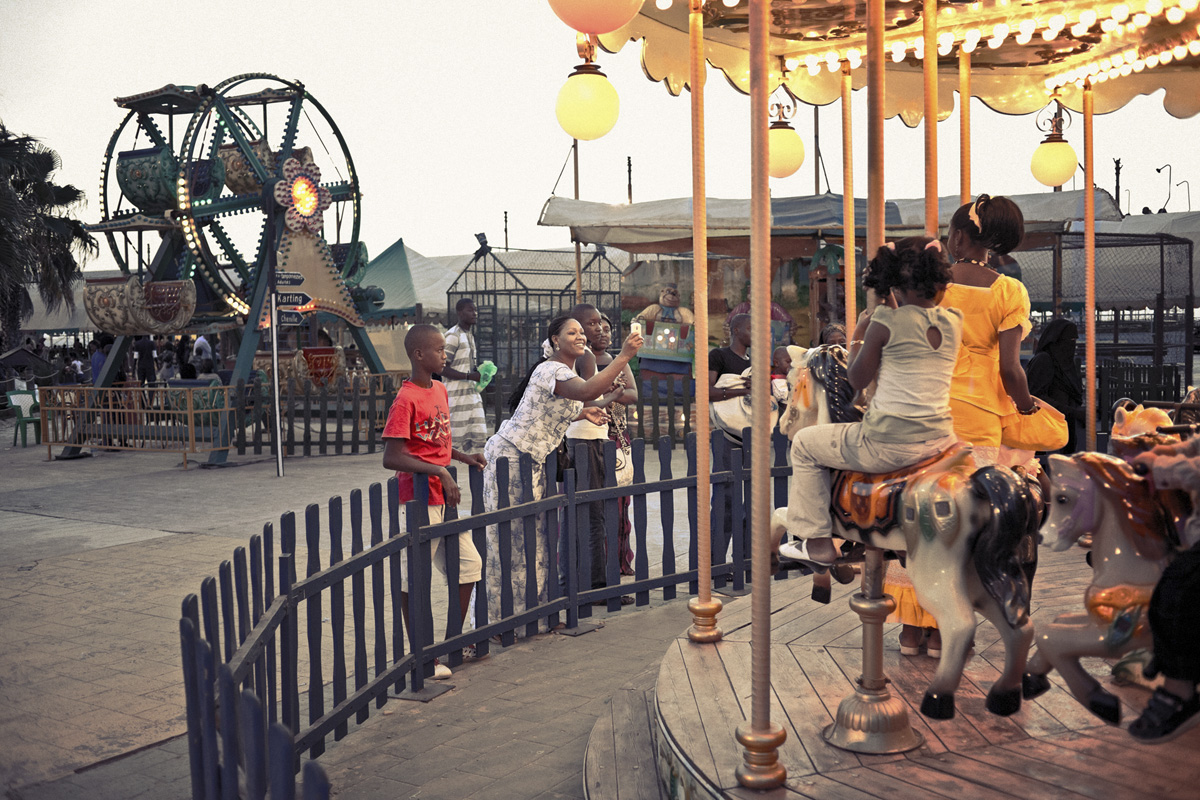
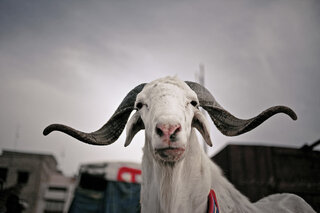
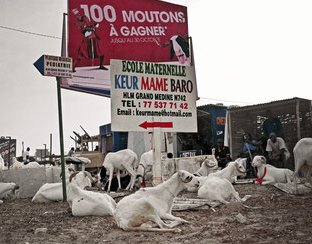
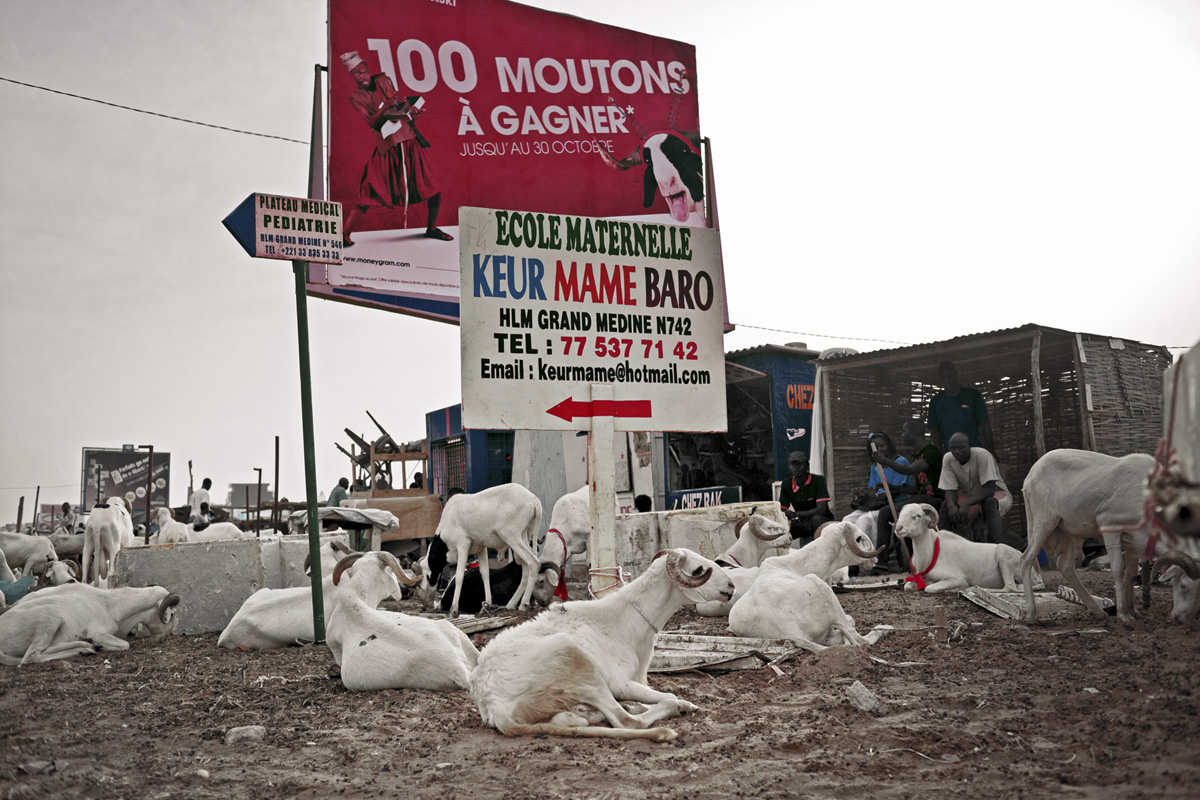
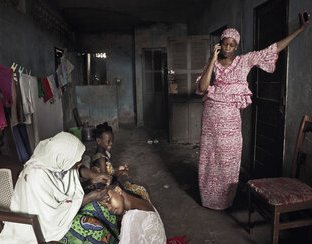
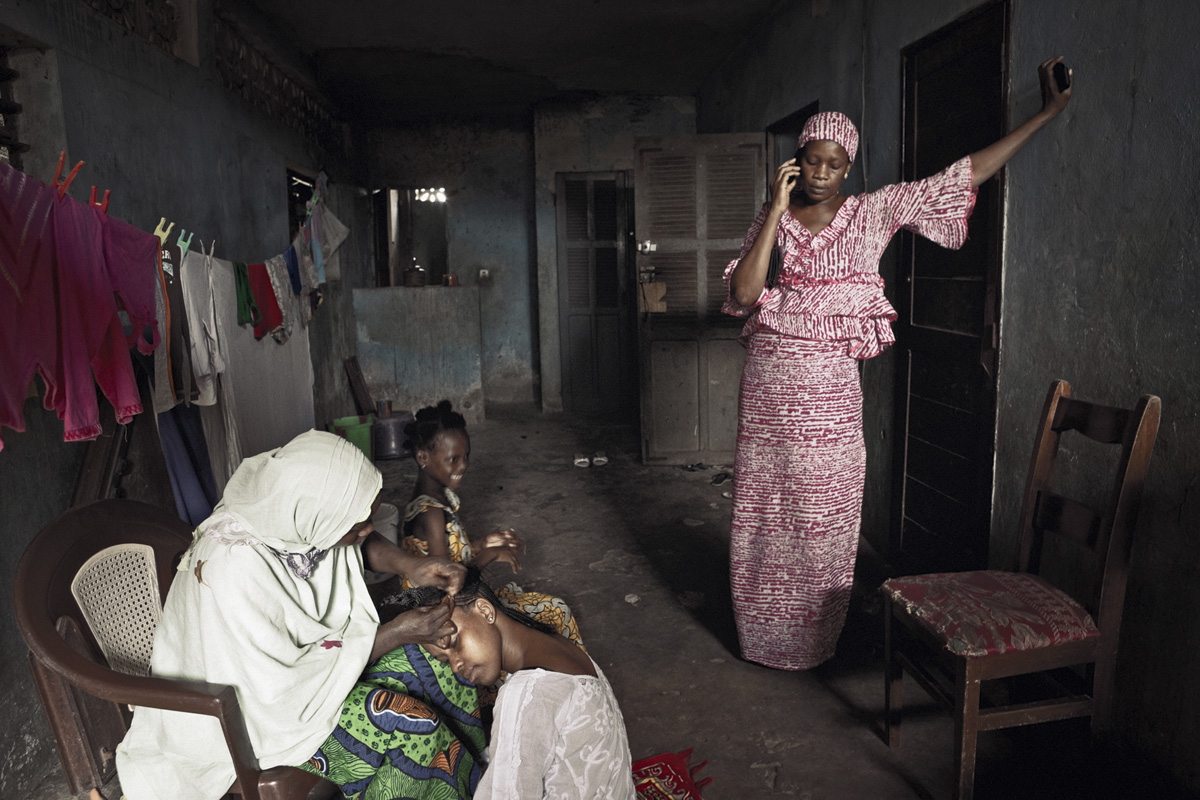
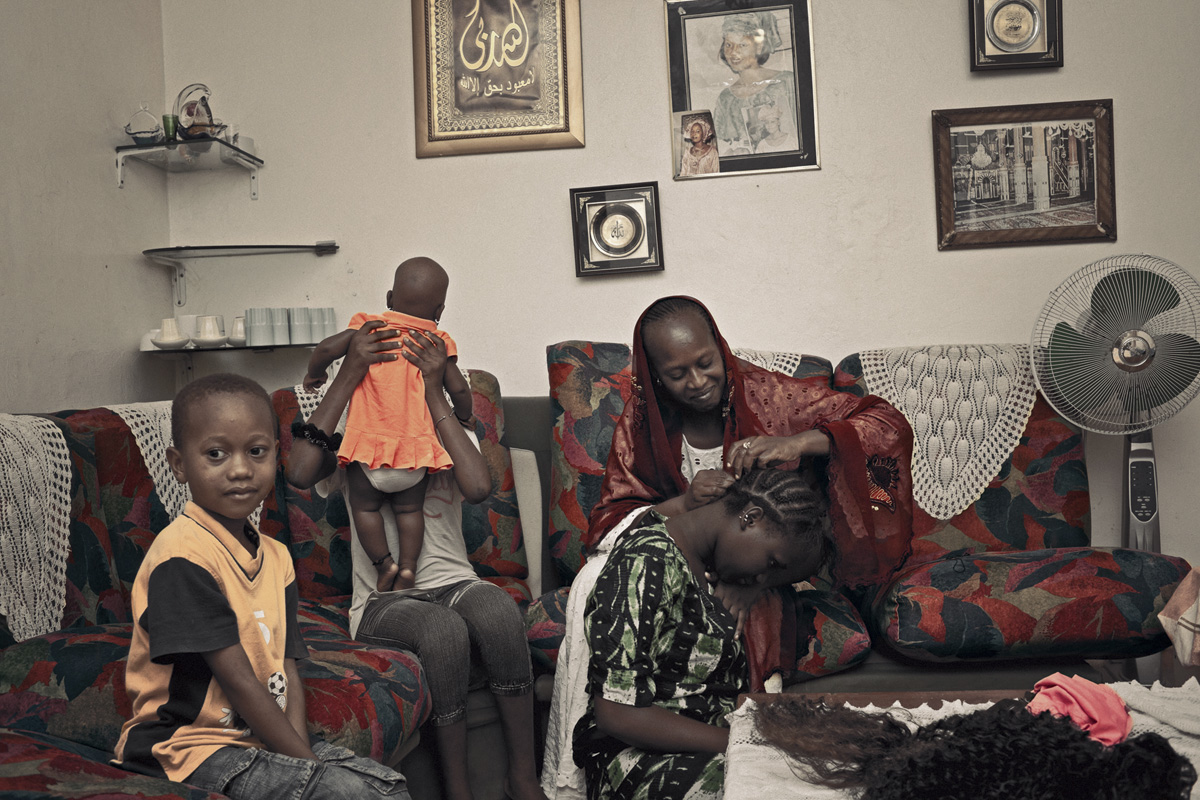
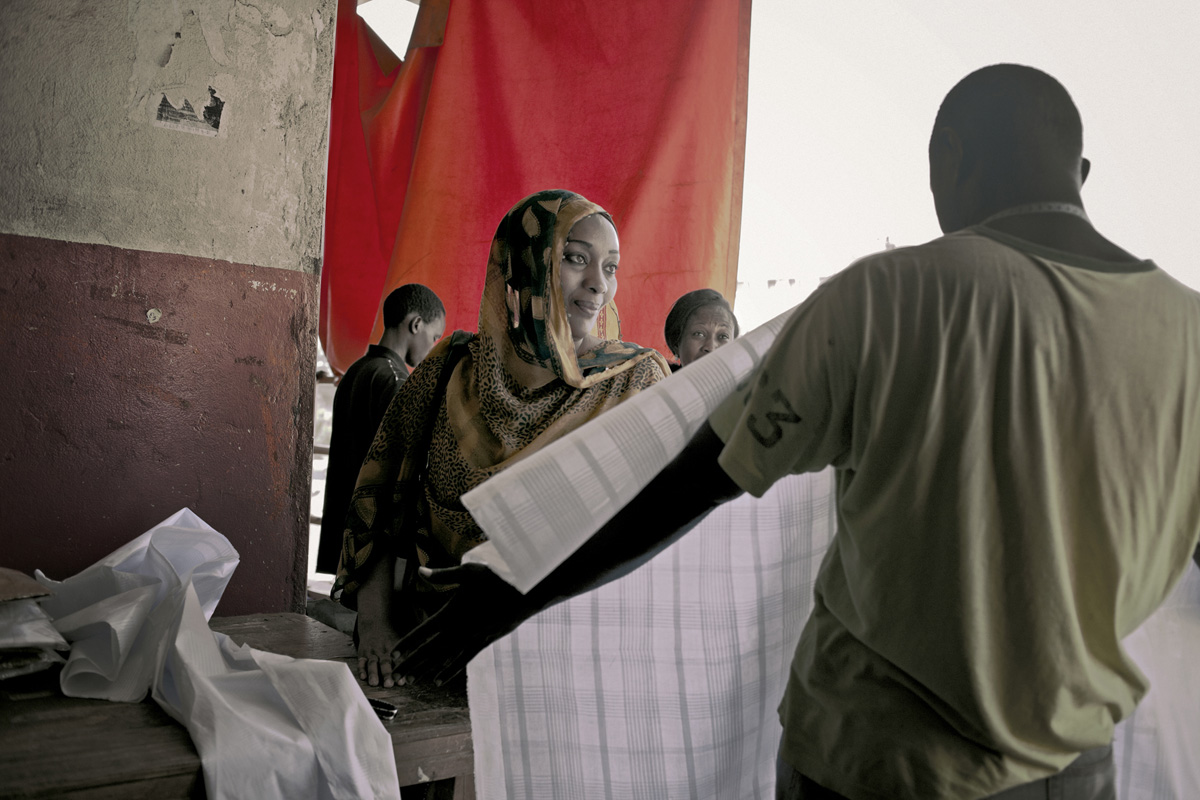
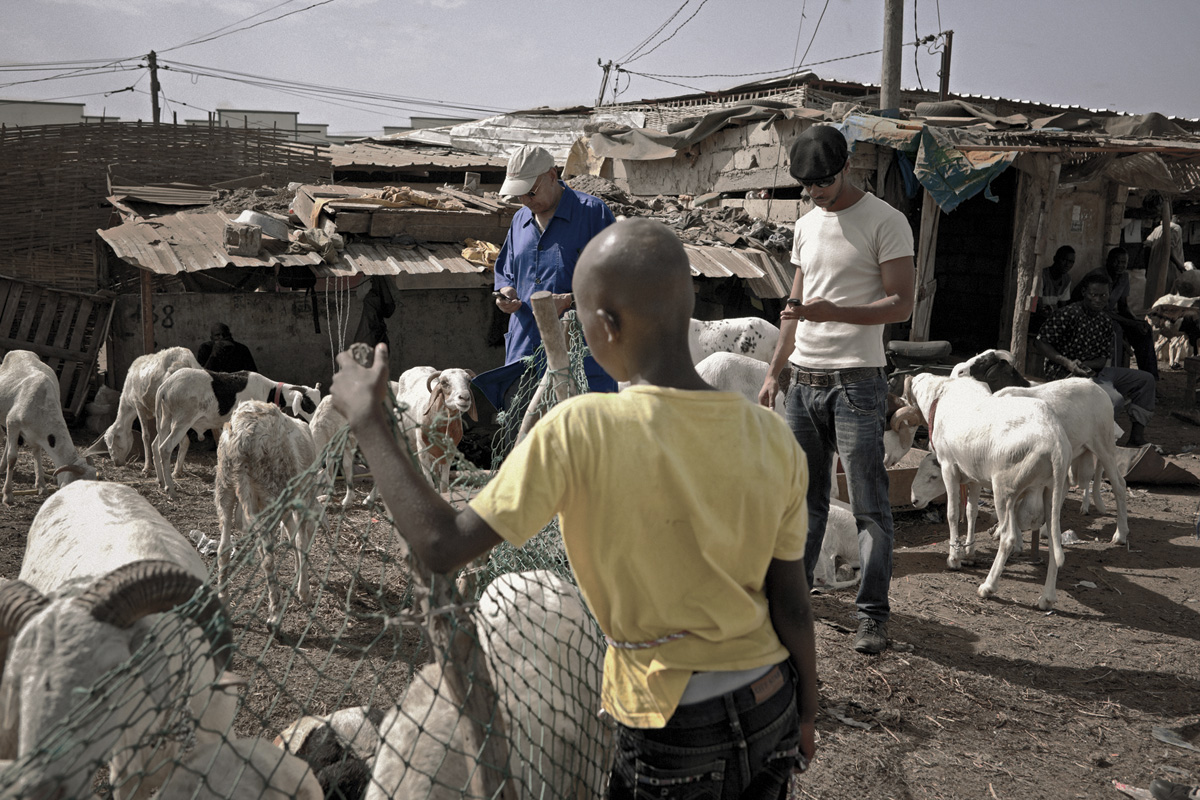
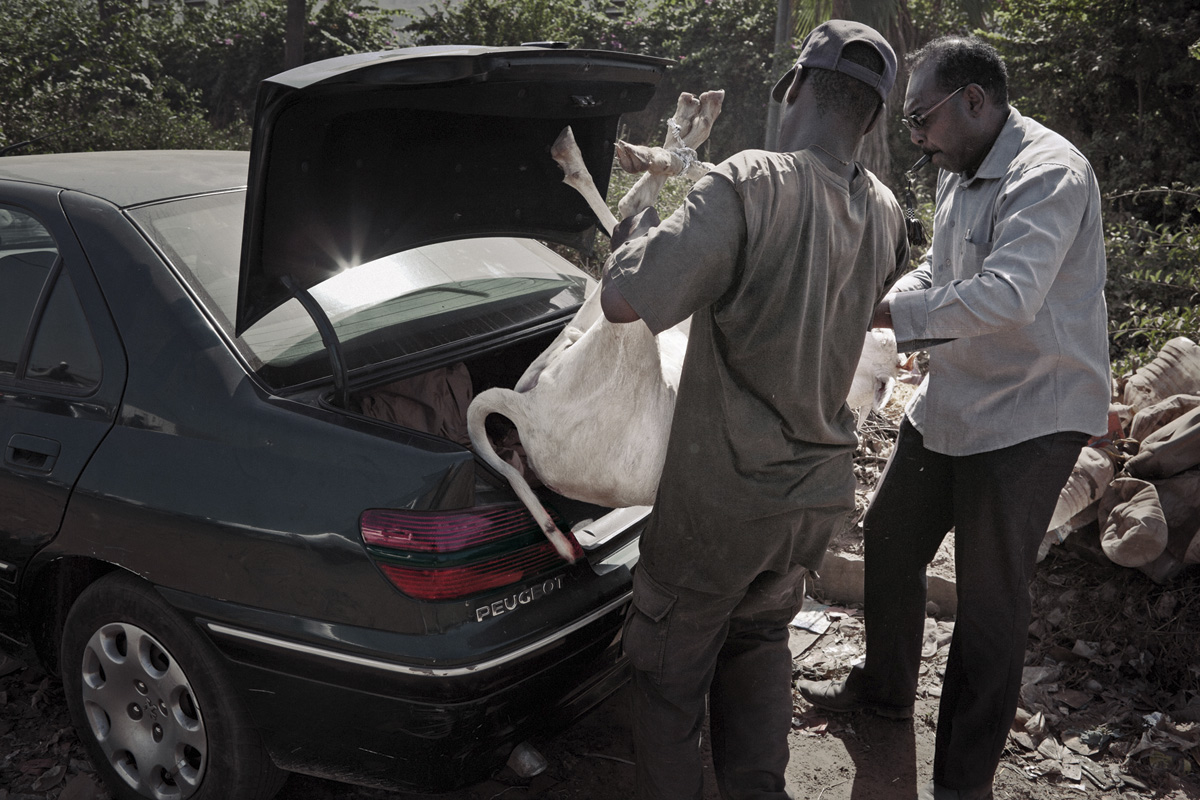
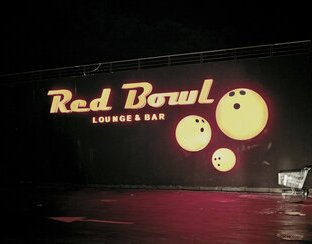
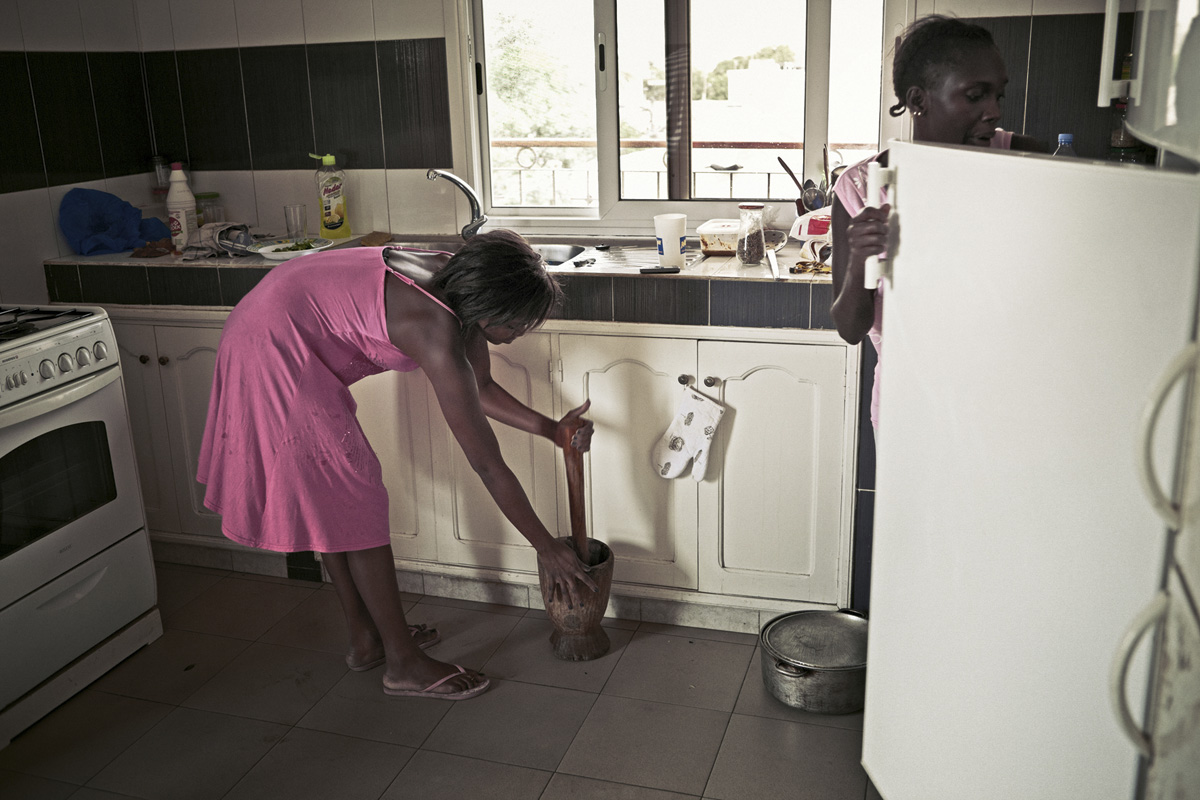
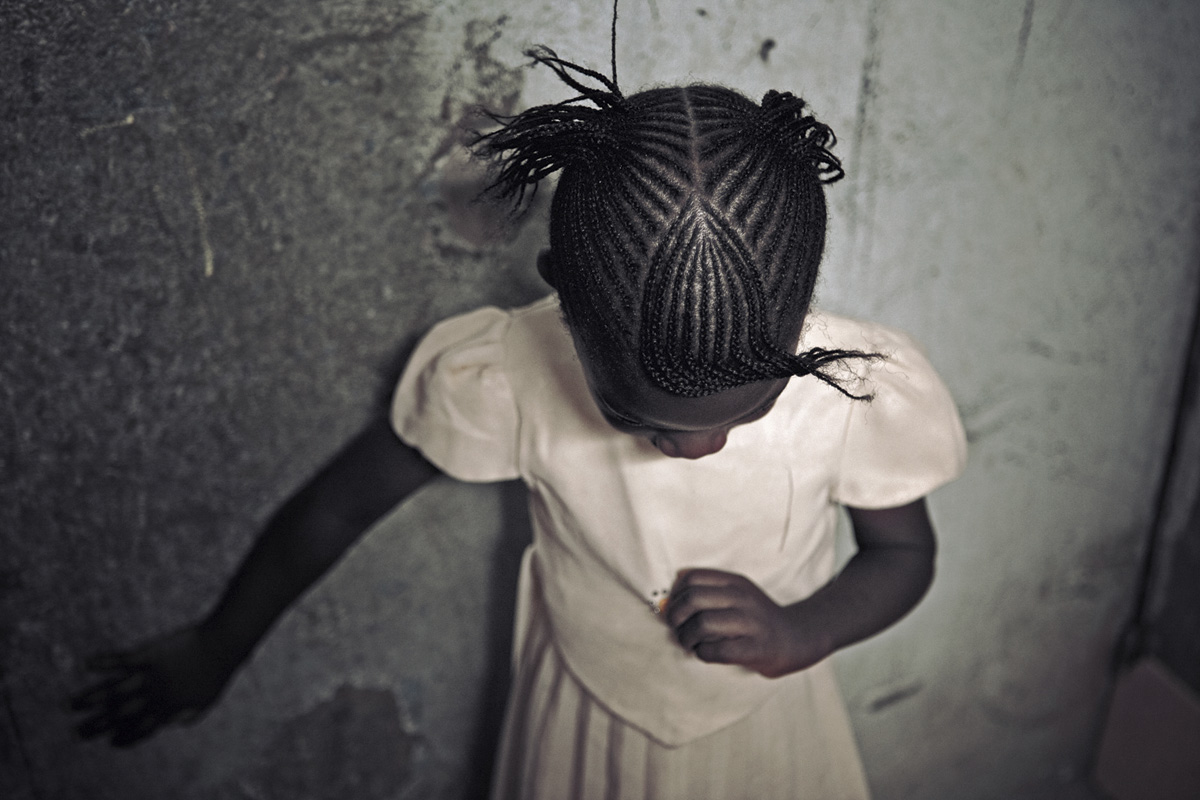
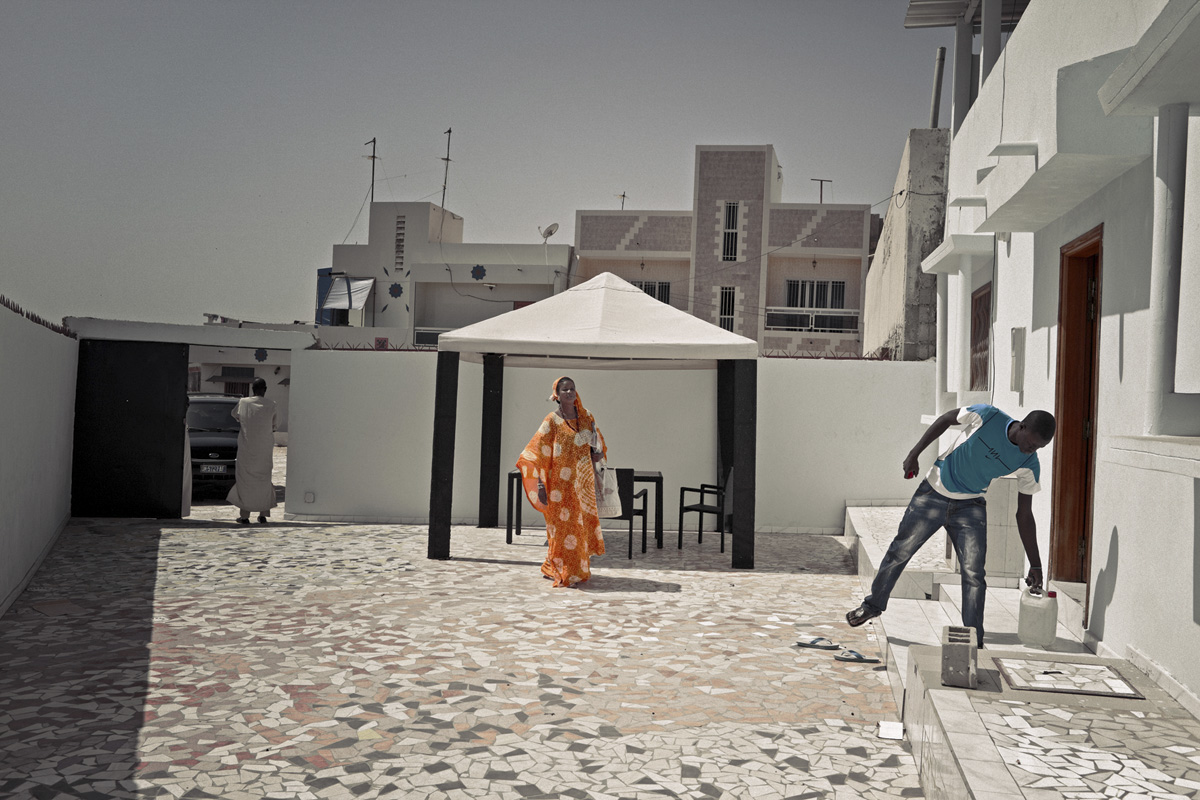
« This photographic project endeavoured to follow, during Tabaski, six families who were chosen as being representative of the established middle classes, settled in various districts of Dakar.
Some of the families are old and have benefitted from an intellectual social progression. Others owe their more recent success to business endeavours. A feeling of anachronism lingers on however, and it is hard not to compare them to my idea of France’s middle classes during the post-Second World War period.
In order to visually portray this feeling of inertia, I wanted to imitate the photographic style of those years, showing images that are sometimes washed out and sometimes saturated.
As if the modernity of Senegal’s middle classes already had its own archives… »
Journalist accounts
Alongside the analytical and visual creation work, a journalist wrote four articles about the key – and most representative – moments of middle class daily life relating to dietary habits. This was highlighted by the work of the expert and the visual artist.
They are published and available here :
Executive woman
Le grand business des buvettes scolaires
Très chers loisirs

![« Les moments de repas symbolisent une forme de communion affective de la famille dans l'imaginaire des personnes interrogées. Le repas « préparé avec amour » devient presque l'objet transitionnel des retrouvailles familiales où les membres échangent, discutent, se « rencontrent », partagent et concrétisent une cohésion domestique. » [Extrait du Rapport Sénégal].](local/cache-gd2/1b/5d7a17aa6f362e96cc9bdfef7d5eb8.jpg?1779894149)